A Guide to Athens' Quieter Archaeological Treasures
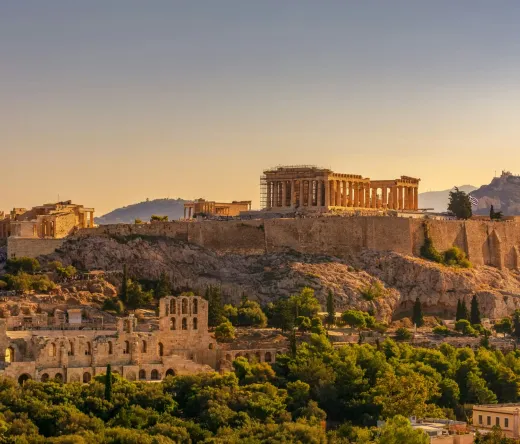
Most visitors crowd the main hill, but the civic life of antiquity happened down below. Aristotle taught in the shaded grounds of the Lyceum, and ordinary citizens voted at the rocky Pnyx. Visiting these secondary archaeological zones in Athens gives a clearer picture of everyday ancient routines.
Culture • Practical Tips • History • 5 min. read
Last edited:
Beyond the Acropolis: Discovering Athens' Lesser-Known Ruins
When people think of ancient Athens, the monumental Acropolis towering over the city is usually the first image that comes to mind. While this iconic landmark is undeniably spectacular, it only tells part of the story. By venturing beyond the main hill, you can uncover the civic centers, schools, and public spaces where ancient Athenians debated, traded, and lived. These quieter archaeological ruins provide a more complete and intimate understanding of the ancient city.
Visiting these secondary sites also offers a practical advantage: they are generally less crowded, allowing for a more peaceful exploration.
While preparing for your adventure in Athens check out our tours there -->
Aristotle's Lyceum: The Grounds of Early Philosophy
Discovered accidentally in 1996 during preparations for a new Museum of Modern Art, Aristotle's Lyceum is one of the most significant philosophical sites in Western history. It was here, in a leafy sanctuary outside the ancient city walls, that Aristotle founded his Peripatetic school in 335 BCE, walking with his students as they discussed logic, ethics, and nature.
Today, the site is a quiet archaeological park located right in the modern city center, near Syntagma Square. Visitors can walk among the excavated foundations of the palaestra (wrestling school) where young Athenians once trained. Information boards help visualize the ancient structures, offering a peaceful retreat that bridges modern Athens with its profound intellectual past.
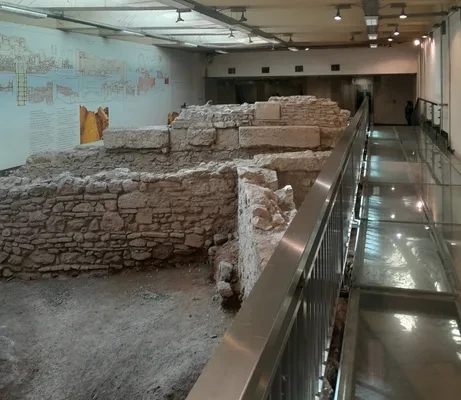
Subterranean Athens: Ancient Layers in Modern Metro Stations
You do not always need a ticket to see ancient Athenian artifacts; sometimes, you just need to catch a train. The construction of the Athens Metro system in the 1990s and 2000s acted as a massive archaeological dig, uncovering thousands of objects. Rather than locking these finds away, the city integrated them into central transport hubs, creating free public exhibits.
Inside stations like Syntagma and Monastiraki, glass displays reveal the strata of Athenian history. Commuters and visitors alike can view cross-sections of ancient streets, carefully preserved burial sites, classical pottery, and complex terracotta water supply systems that functioned centuries ago. These subterranean exhibits vividly illustrate how the modern metropolis sits directly atop the ancient world.
Pnyx : the Birthplace of Democracy
Just a short walk from the Acropolis lies the Pnyx, a rocky hill that holds immense historical significance. This unassuming, semi-circular gathering space is widely recognized as the birthplace of democracy. Starting in the 5th century BCE, the Athenian citizens' assembly, or Ekklesia, met here to debate and vote on crucial matters of state, from passing laws to declaring war.
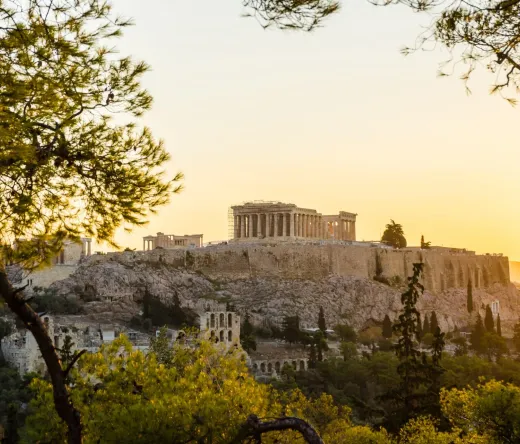
Today, visitors can stand at the bema, the carved stone speaker's platform where figures like Pericles and Demosthenes once addressed thousands of citizens. The site is free to visit and remains largely uncrowded. Beyond its historical importance, the Pnyx offers one of the clearest, unobstructed views of the Acropolis, making it a perfect spot to reflect on the origins of civic participation.
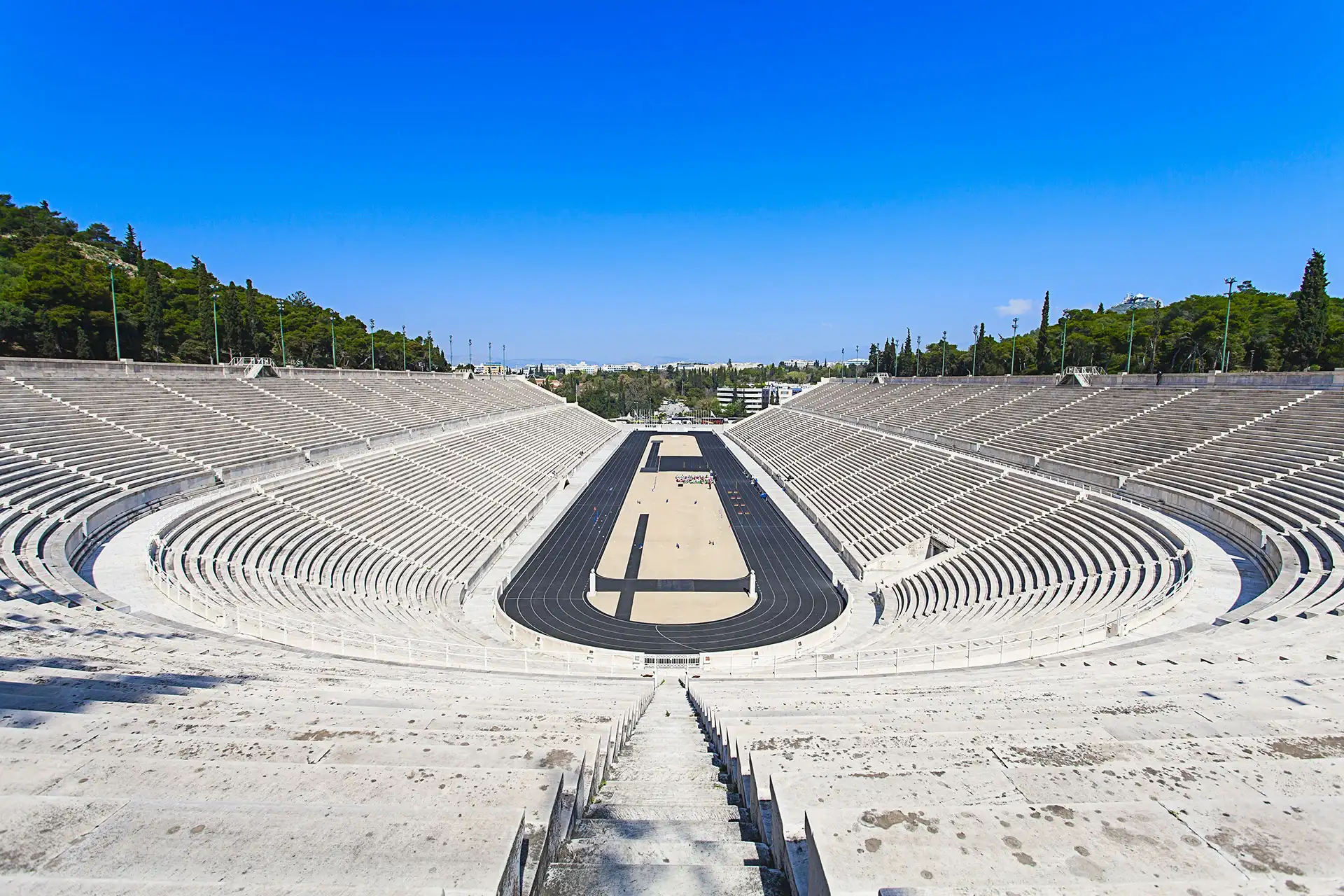
The Panathenatic Stadium : Ancient Games
The Panathenaic Stadium, locally known as Kallimarmaro, is a marvel of ancient engineering and modern revival. Originally built in the 4th century BCE to host the athletic competitions of the Panathenaic Games, it was later reconstructed entirely in marble by the Roman senator Herodes Atticus. Its historical significance deepened when it was restored to host the first modern Olympic Games in 1896.
Today, visitors can walk the ancient track, climb the marble terraces for excellent city views, and even stand on the winners' podium. Entrance includes access to a highly informative audioguide and a vaulted passageway leading to a small exhibition dedicated to modern Olympic posters and torches. The stadium is easily accessible from the city center and remains a fascinating stop for visitors.
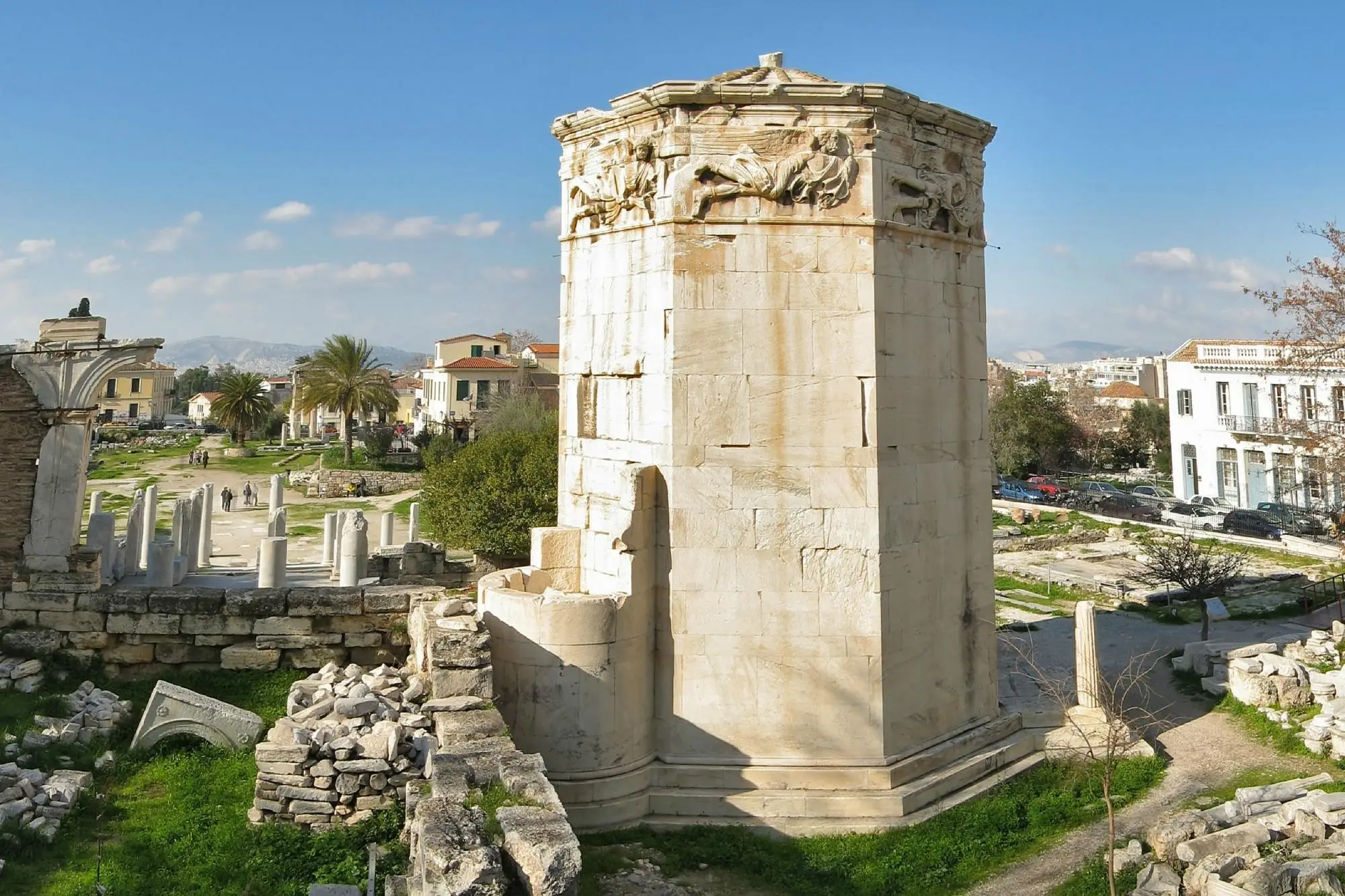
The Tower of the Winds : A Landmark for Science
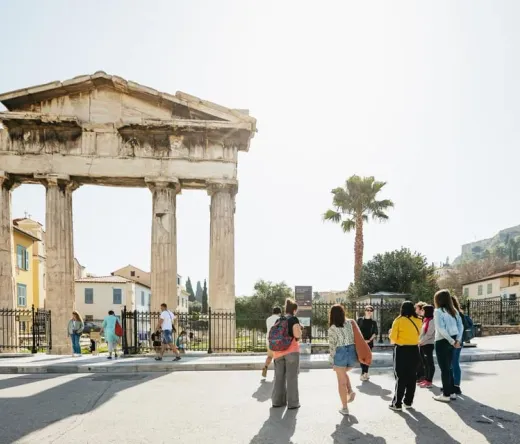
Situated within the Roman Agora, the Tower of the Winds is an extraordinary octagonal marble structure that served as the world's first meteorological station. Built by the astronomer Andronicus of Cyrrhus in the 1st or 2nd century BCE, this remarkably preserved clocktower combined multiple functions, featuring sundials, a water clock to tell time on cloudy days, and a weather vane.
Each of its eight sides faces a point of the compass and is adorned with beautiful relief sculptures depicting the Greek deities of the winds. Following recent restoration work, visitors can now step inside to marvel at the intricate ancient mechanics and the striking interior architecture. It stands as a testament to the scientific ingenuity of antiquity.
Kerameikos: The Ancient Cemetery and Potter's Quarter
Please note that the Kerameikos archaeological site and its on-site museum are currently closed. Named after the potters who settled along the banks of the Eridanos river, Kerameikos eventually became the most important cemetery in ancient Athens. It was also the site of the Dipylon and Sacred Gates, serving as the starting point for major ceremonial processions. Walking through the surviving street of tombs reveals elaborate burial monuments and statues that honored prominent citizens of the time.
When accessible, the entrance is typically located at the end of Ermou Street. The small but excellent museum houses many of the original funerary stelae and intricate pottery found during excavations, providing a deeply moving look at how ancient Athenians mourned and remembered their dead.
Practical Advice: Tickets, Accessibility, and Timings
Standard opening hours for most sites are from 8:00 AM to 8:00 PM during the summer, though winter hours are generally shorter. Always verify current timings before your visit.
Accessibility varies greatly; while some sites like the Lyceum are mostly flat, others feature uneven terrain. To manage the intense Athenian heat, it is best to visit open-air ruins early in the morning or late in the afternoon, and always carry water. If you need more local insights to plan your days, Walkative tours guides can give all the advice you need to navigate these practicalities smoothly!
Related stories
Culture • Practical Tips • 6 min. read
A Practical Guide to Athens’ Neighborhoods
From historic Plaka to alternative Exarcheia, explore the city's distinct neighborhoods to find the area that suits you best.
Culture • Practical Tips • 7 min. read
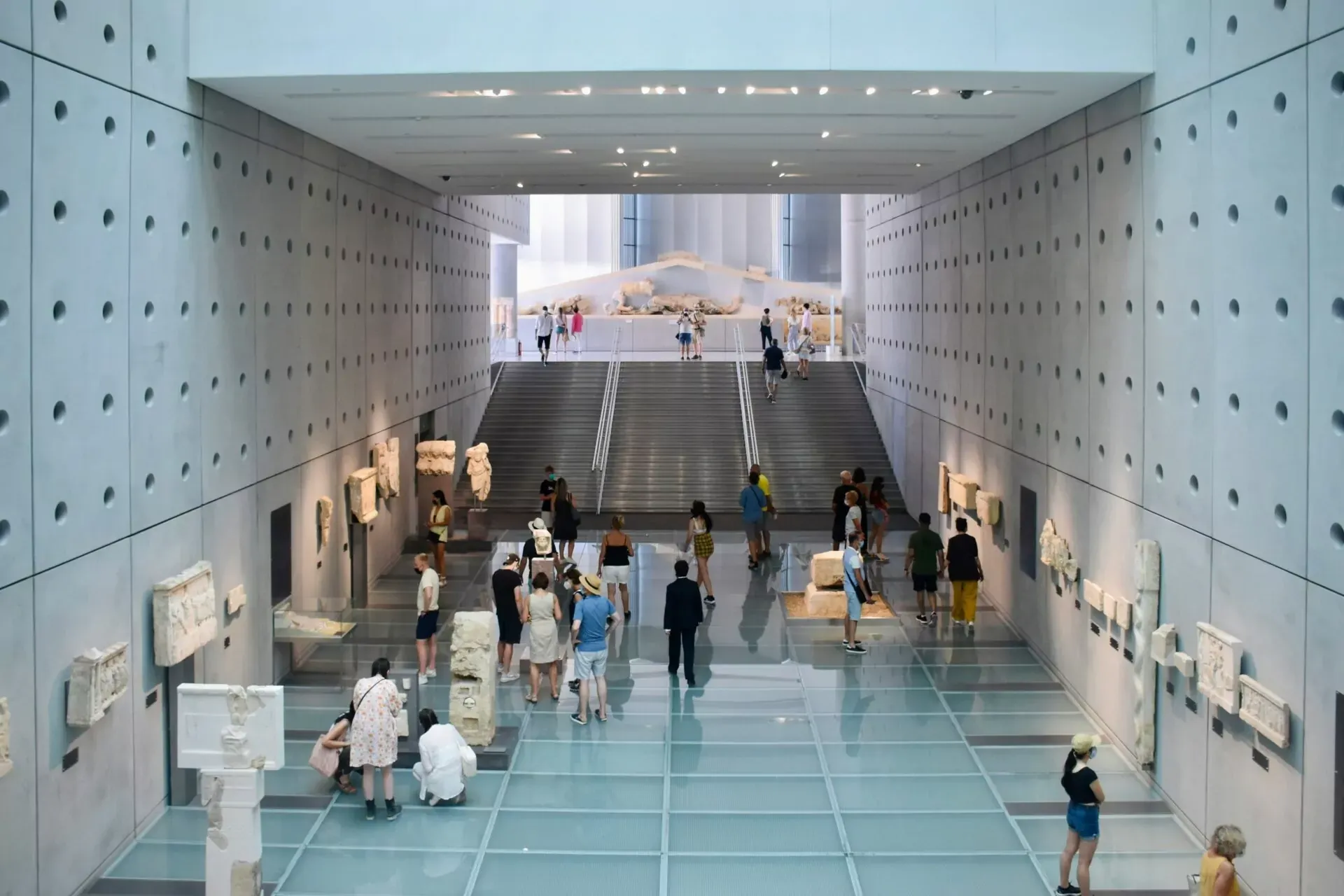
Athens: The 5 Best Museums You Can’t Miss
Whether you’re into jaw-dropping archaeology, mind-blowing ancient tech, or simply want to impress your friends with fun historical facts, these spots have got you covered!

Practical Tips • Tours • 4 min. read
How to Choose a 1-2 Day Island Trip from Athens
Discover the best islands near Athens for a short 1-2 day getaway. Learn how to choose between the Saronic and Cycladic islands based on your travel style, plus practical ferry logistics.
Culture • Practical Tips • History • 4 min. read
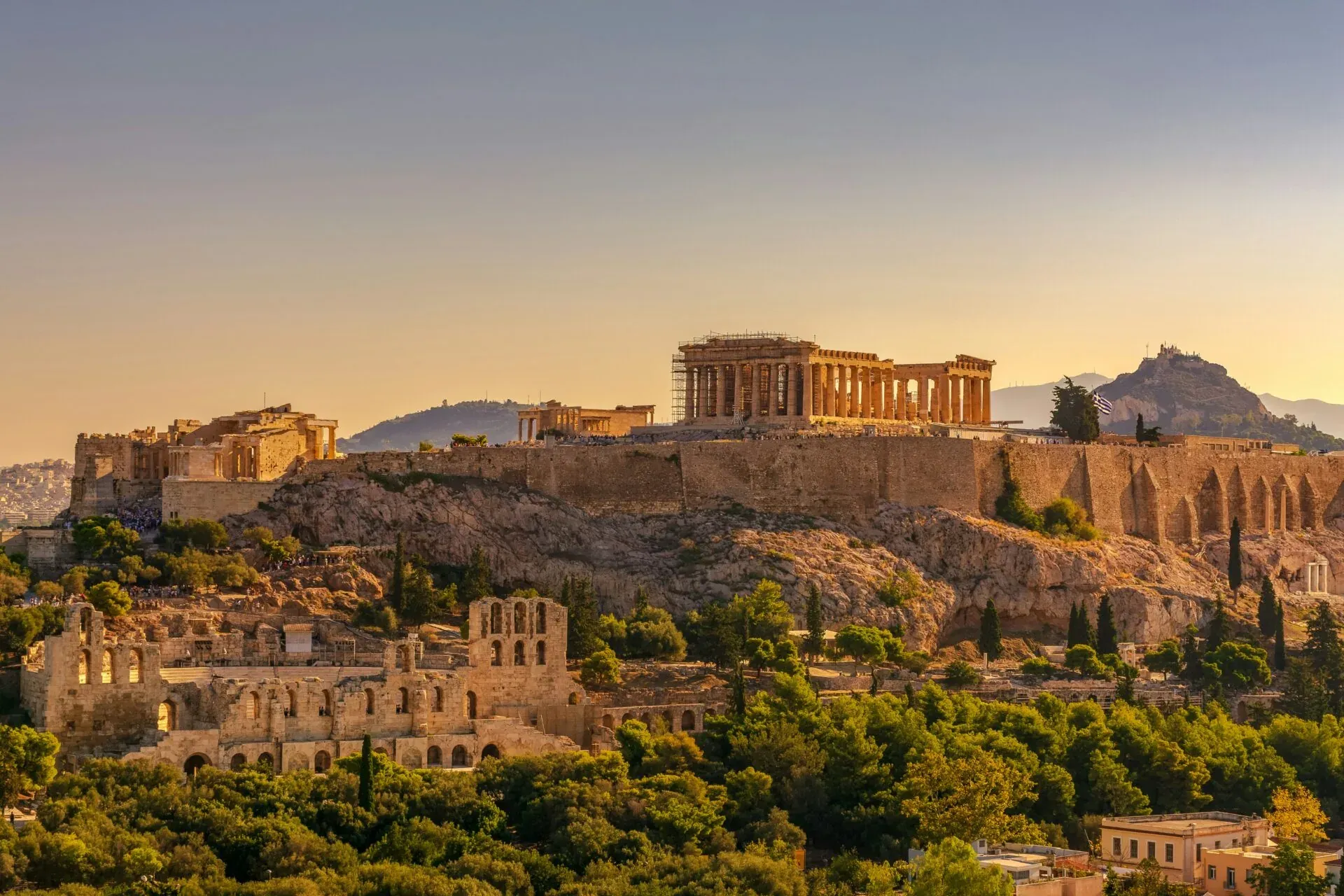
How to Plan Your Visit to the Acropolis of Athens
The rocky path leading up to the Parthenon has felt the footsteps of travelers for thousands of years. Today, navigating the crowds and the midday sun requires more than just showing up at the gate. From securing official entry passes on the Hellenic Heritage site to knowing exactly when the large groups leave, understanding the logistics shifts how you experience the most famous hill in Athens.

Culture • Practical Tips • Food • 5 min. read
More Than a Drink: Understanding Greek Coffee Culture
Discover why coffee is a vital social ritual in Greece. Learn about the 'siga siga' philosophy, how to order the perfect freddo, and where to find the best kafeneia in Athens.