A Guide to Madrid's Authentic Neighborhood Food Markets
Behind the brick facades of Chamberí and the steep streets of Lavapiés, residents gather over small plates of tortilla and glasses of draft vermouth. The traditional neighborhood market remains a fixture of Spanish urban life, serving equally as a place to buy weekly groceries and meet friends. Navigating these working food halls provides a direct view into how people in Madrid actually eat, trading polished aesthetics for genuine community spaces.
Culture • Practical Tips • Food • 4 min. read
Last edited:
Madrid is a city that lives and breathes around food, and its markets are central to daily life. While many visitors naturally gravitate toward the famous Mercado de San Miguel, you will not find it in this guide. Although beautifully restored, San Miguel has become highly touristy and often overcrowded, shifting away from the traditional neighborhood experience. Instead, this article focuses on the authentic markets where locals actually go to shop, eat, and meet friends.
Discovering Madrid's Authentic Food Markets
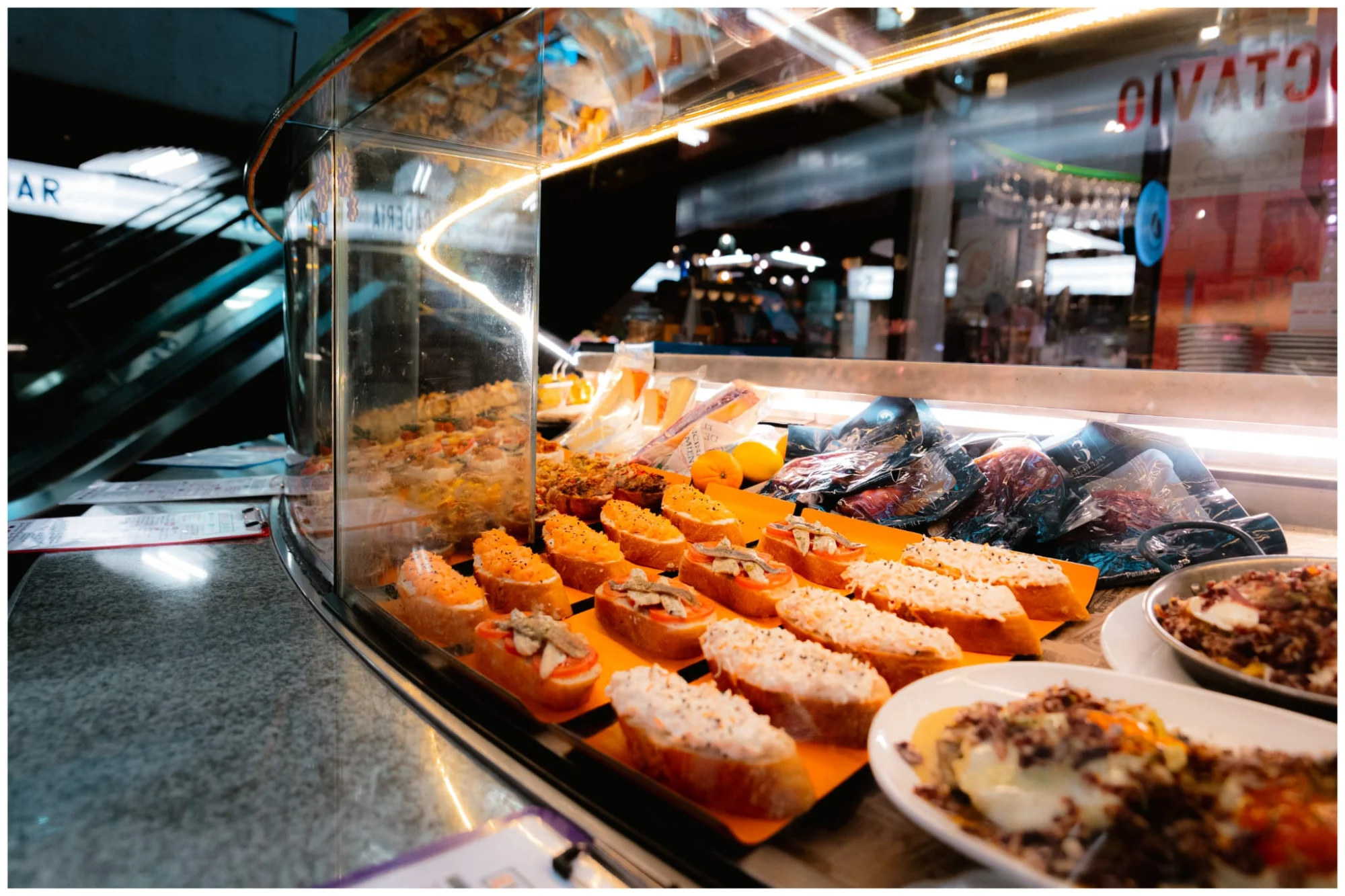
To truly understand Madrid, you have to look beyond the main squares and step into its neighborhood markets. These spaces serve as community hubs where traditional butchers and greengrocers operate alongside small tapas bars. Visiting a local market offers a genuine perspective on daily life in the Spanish capital, providing a space where you can try high-quality regional food in a relaxed setting. A local walking tour through these residential areas often reveals how these markets have adapted over time, balancing modern dining trends with their historic role as grocery providers.
Mercado de Antón Martín: The Best All-Rounder
Located between the Centro and Lavapiés districts, Mercado de Antón Martín offers an ideal balance of the traditional and the contemporary. On the ground floor, you will see residents buying their daily fresh produce, meats, and cheeses. Tucked between these classic stalls are small vermouth bars and a diverse range of restaurants. You can find everything from authentic Spanish tortillas to excellent international street food. It is a highly practical choice for a midday stop, providing a lively atmosphere without the overwhelming crowds found in more famous central locations.
Mercado de San Fernando: A Relaxed Local Vibe in Lavapiés
Deep in the diverse neighborhood of Lavapiés, Mercado de San Fernando stands out for its casual and alternative atmosphere. Unlike the more polished markets in the city center, San Fernando retains a raw, community-focused feel. It is a place where locals gather for craft beer, natural wine, and affordable tapas. The market is particularly popular for lunch or early evening drinks. If you are taking a neighborhood walk through the steep, colorful streets of Lavapiés, this market is a convenient and authentic spot to take a break and absorb the local culture.
Mercado de Vallehermoso: Chamberí's Modern Food Hub
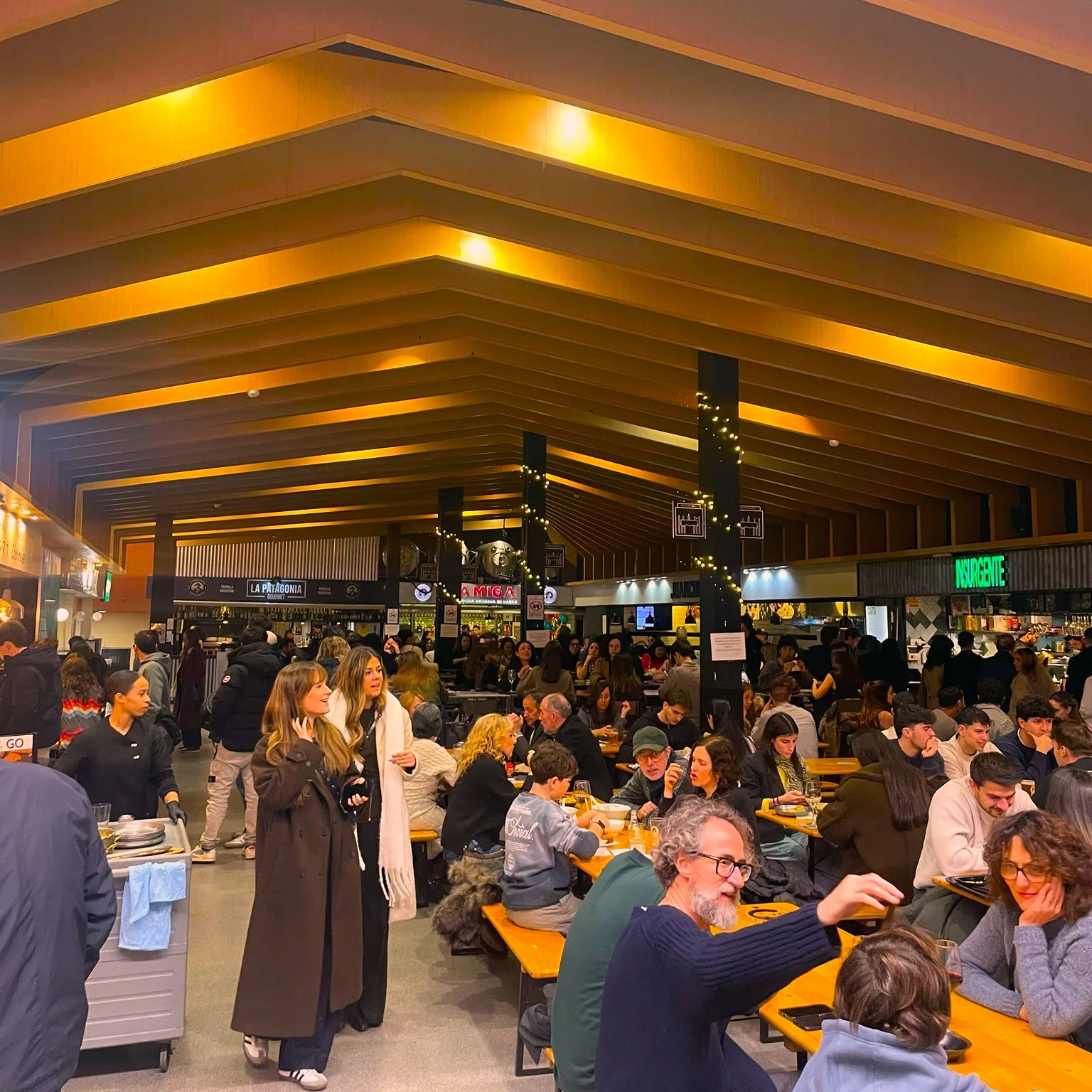
Situated in the residential Chamberí district, Mercado de Vallehermoso has transformed into a modern hub for food enthusiasts. While it still functions as a traditional grocery market, it is now best known for its permanent food stalls that serve creative Spanish dishes and international cuisine. It appeals strongly to those who want to sample high-quality, innovative food in a purely local setting. Because it is located away from the typical tourist routes, the crowd consists almost entirely of Madrid residents enjoying their weekend lunches or after-work dinners.
Contrasting Styles: Mercado de San Antón and Mercado de la Paz
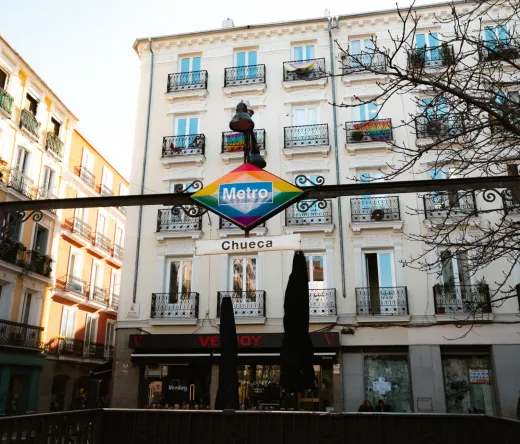
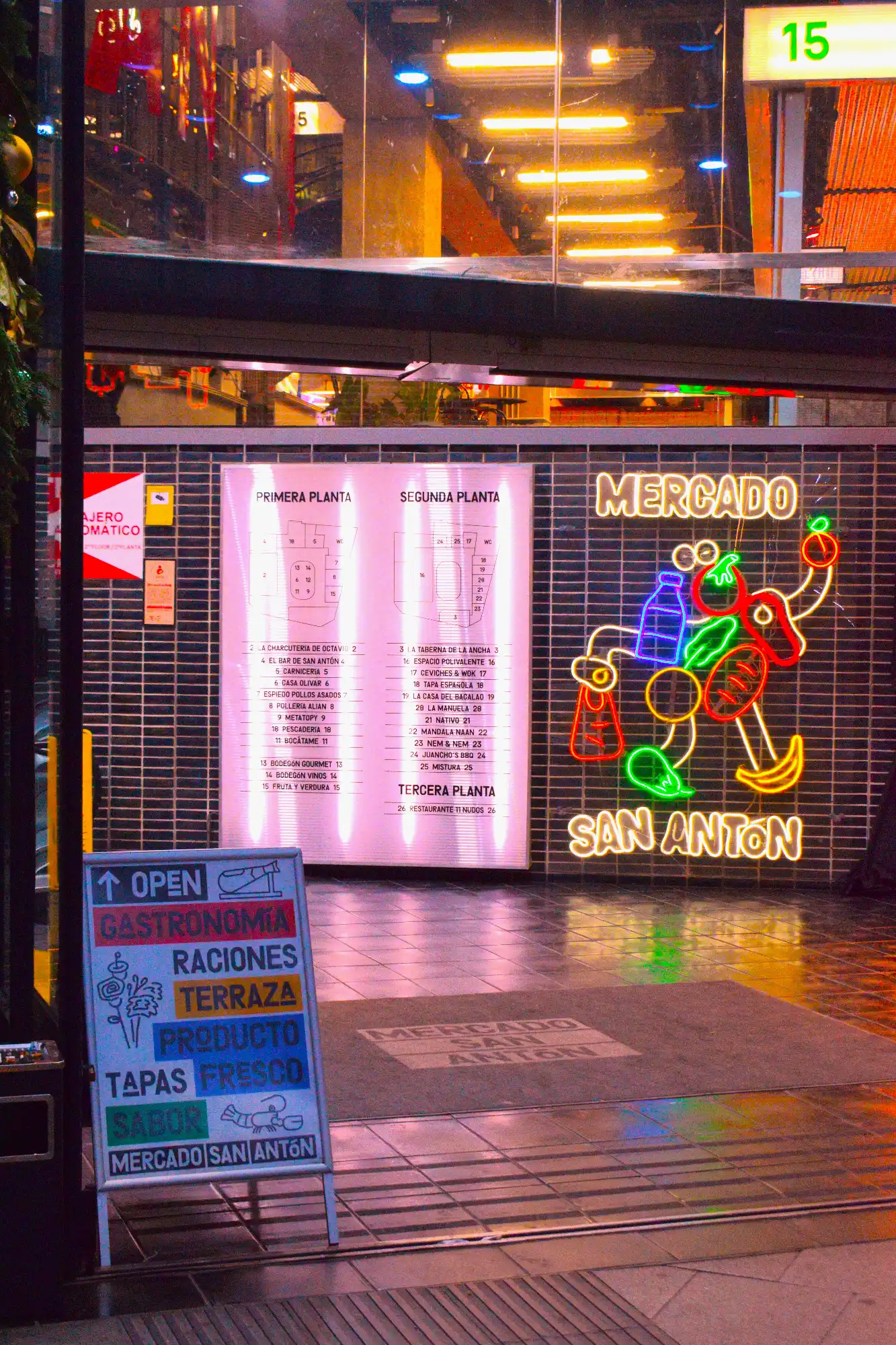
For a different perspective, you can visit two markets with entirely distinct characters. In the Chueca neighborhood, Mercado de San Antón offers a sophisticated, modern experience. It features polished food stalls, a popular rooftop terrace, and a lively atmosphere that transitions smoothly into evening nightlife. By contrast, Mercado de la Paz in the upscale Salamanca district is one of the city's oldest markets. Its focus remains heavily on high-quality ingredients, premium seafood, and traditional Spanish products, making it a favorite for serious home cooks and those looking for an elegant, historic setting.
Summary and Top Recommendations for Your Visit
Choosing the right market depends on your itinerary and what type of experience you prefer. If you have limited time, here is a practical guide to help you decide:
Mercado de Antón Martín: The most balanced choice for its mix of real grocery shopping and varied dining in a central location.
Mercado de San Fernando: The best option for a casual, community-driven atmosphere in a vibrant, alternative neighborhood.
Mercado de Vallehermoso: Highly recommended if your priority is sampling creative, modern food away from the typical tourist center.
Exploring these neighborhood markets provides a much clearer picture of how people in Madrid live and eat today. By skipping the crowded tourist hotspots, you can enjoy a more relaxed, authentic, and genuinely satisfying culinary experience during your time in the Spanish capital.
Related stories
Practical Tips • History • 3 min. read
La Latina: A Guide to Madrid's Medieval Neighborhood
Wander the winding medieval streets of La Latina. From Sunday’s El Rastro market to evening tapas on Cava Baja, experience the authentic soul of Madrid.
Practical Tips • Food • 7 min. read
Best Souvenirs from Madrid: Unique Treasures to Bring Home
Looking for unique Spanish gifts? Check out our list of the best souvenirs to bring home from Madrid.

Culture • Food • 5 min. read
Madrid Adventures: Fun for All Ages!
Explore Madrid with family-friendly walking adventures, local stories, and sights for all ages. Easy pace, practical tips, no fuss.
History • 6 min. read
Madrid Magic: A 3-Day Adventure
From flamenco to tapas, from landmarks to hidden gems, our 3-day itinerary will guide you through the city’s best offerings. Ready to discover the magic of Madrid? Let’s go!
Culture • History • Tours • 6 min. read
Madrid’s Historic Neighborhoods: Architecture, Art, and Local Culture
The 1776 palace of the Marquis of Matallana in Chueca and the 1980s retro streets of Malasaña offer two very different perspectives on local history. Moving beyond the major museums, a walk through central Madrid connects centuries of royal architecture with modern neighborhood avenues. From the open-air stalls of the El Rastro market to the traditional courtyard corralas of Lavapiés, these districts outline how the capital took shape.