What is the Portuguese Bifana?
Long before global fast-food chains arrived, Portugal relied on its own standard for a quick, hot meal. Served across tavern counters from morning until late at night, a simple pork sandwich became a daily habit for millions. Whether eaten on a lunch break or after hours in Lisbon, the bifana remains a cornerstone of local street culture.
Food • 5 min. read
Last edited:
Lisbon’s food scene is all about laid-back, super flavorful tavern eats. While the city has plenty of amazing Atlantic seafood and famous custard tarts, its absolute favorite savory snack is undoubtedly the bifana. Enjoyed by locals at all hours, this hot pork sandwich is a true slice of everyday Portuguese life.
What is the Portuguese Bifana?
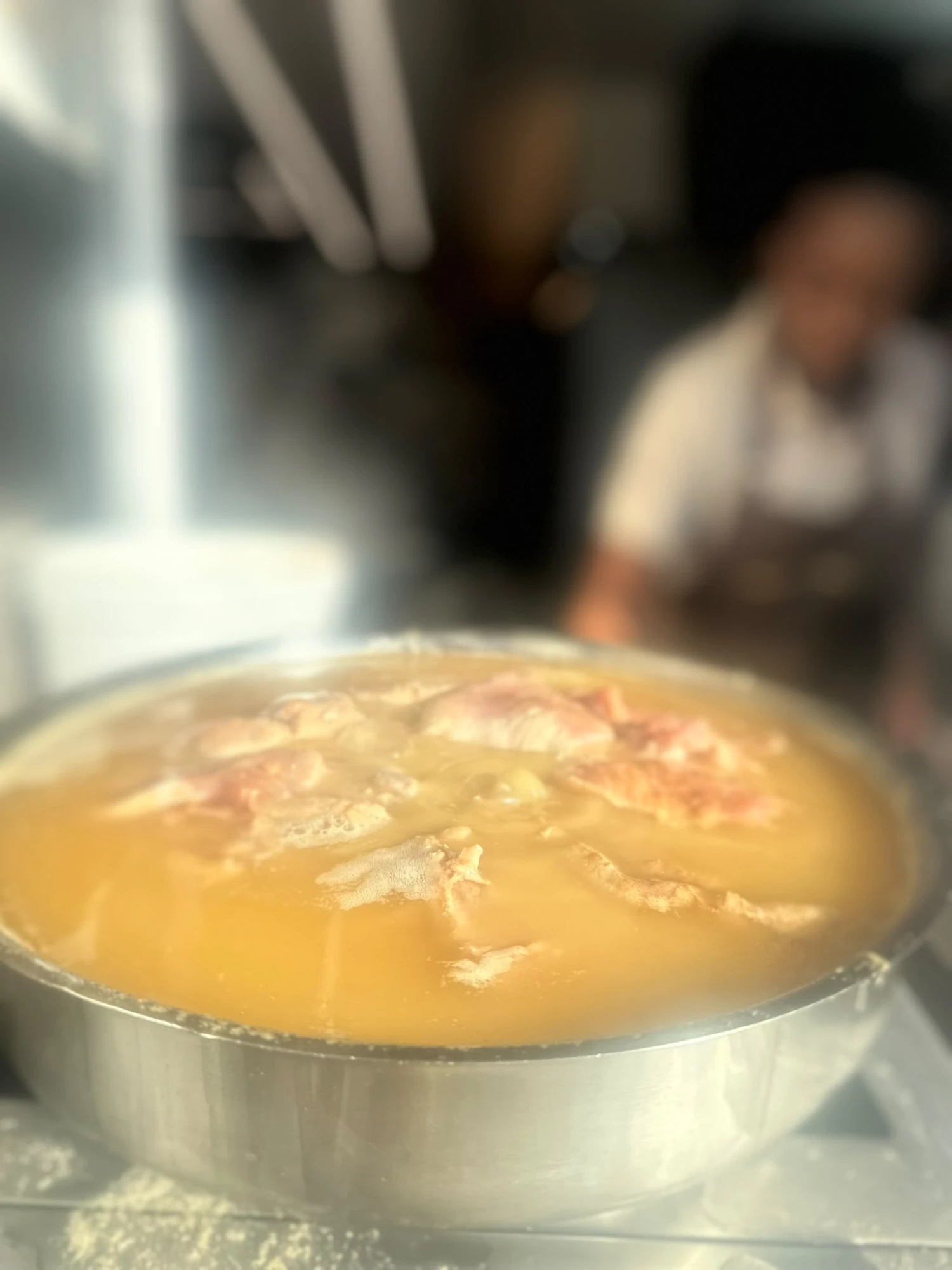
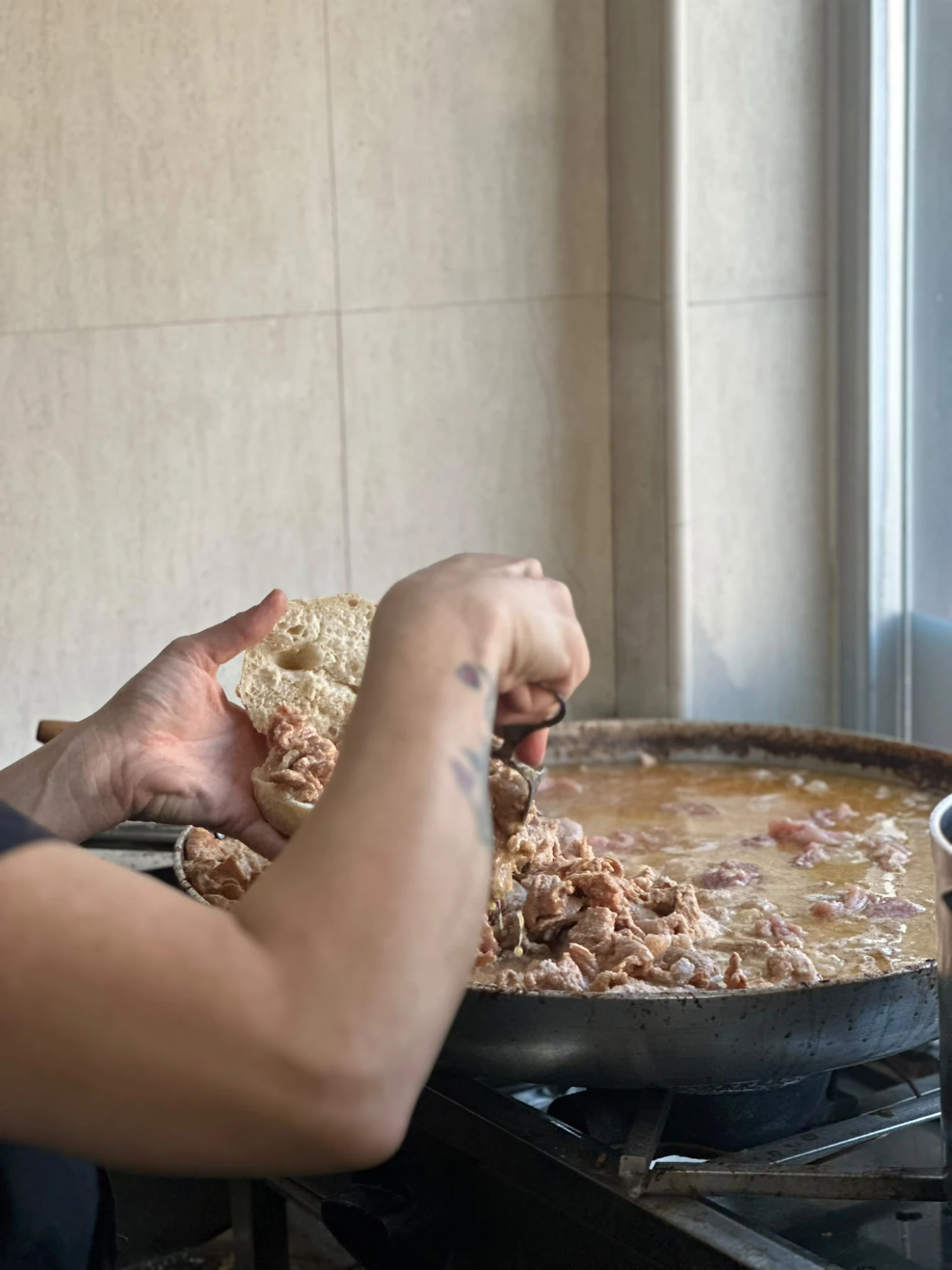
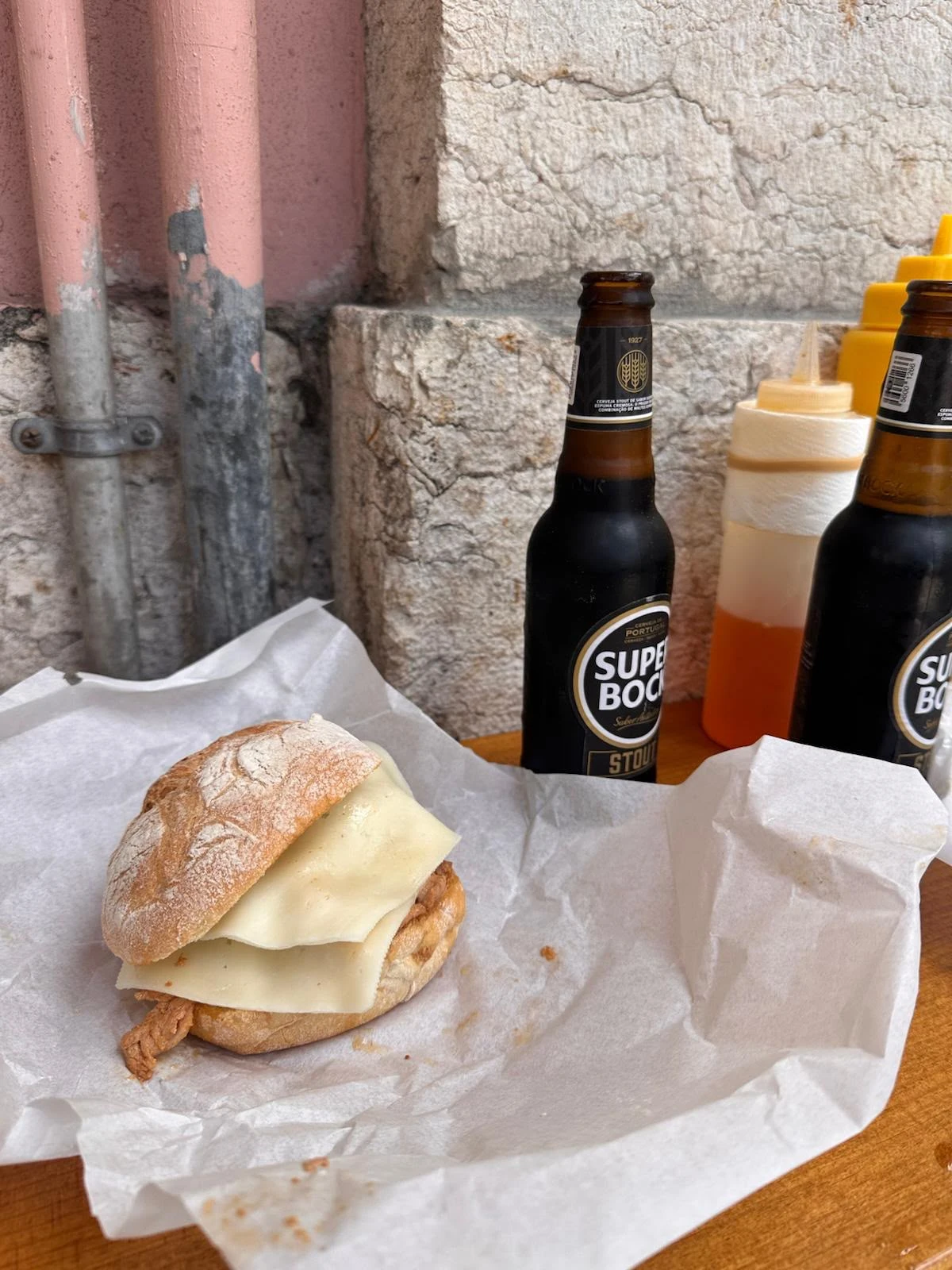
At its core, a traditional bifana is wonderfully simple: thin slices of pork marinated in white wine, garlic, and spices, served piping hot inside a crusty Portuguese bread roll. The meat simmers slowly in a large pan until perfectly tender, letting the bread soak up all those amazing juices when it's put together. While you'll find different versions across the country, the Lisbon-style bifana usually features thinly pounded meat cooked in a rich, garlicky broth. You can even customize your sandwich right at the counter with a squeeze of bright yellow mustard or a splash of spicy piri-piri sauce!
The Cultural History of the Sandwich
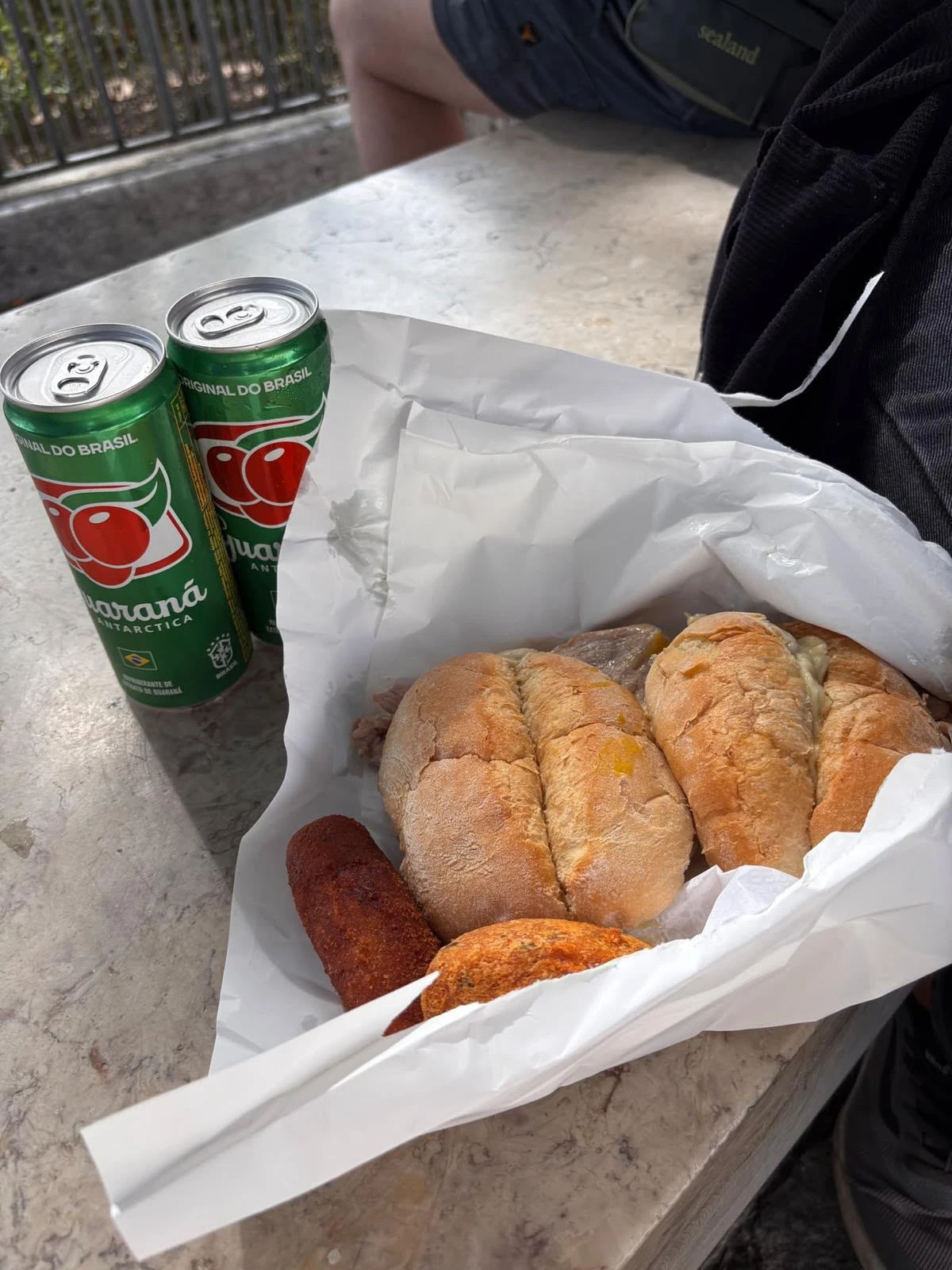
The bifana started out as a cheap, hearty staple in traditional Portuguese taverns, known as tascas. It quickly became the country's ultimate comfort food and a classic local fast food. Whether you grab one as a mid-morning snack, a quick lunch, or a late-night fix after hitting the bars, it's loved by absolutely everyone. Its lasting popularity makes it an awesome starting point for travelers looking to experience real street-level culture. In fact, if you're wandering the city's historic core on a Baixa and Alfama walking tour, you'll probably walk past these buzzing little spots, catching the delicious smell of garlic and pork from tiny corner cafes long before you even see them.
The Mysterious Secret Behind the Sauce
A lot of the magic of a great bifana comes from its deeply flavorful broth, and many classic spots keep their recipes a closely guarded secret! According to local legend, the big metal pots used to simmer the pork are rarely scrubbed completely clean, letting yesterday's juices build an even richer base for today's batch. Beyond garlic, paprika, and wine, some folks swear that the best cooks use a few quirky ingredients to tenderize the meat and balance out the savory flavors. One popular rumor even suggests that a sneaky splash of lemon-lime soda, like Sprite, gets added to the simmering pan.
The McBifana Phenomenon
This sandwich is so woven into Portuguese daily life that it actually made a global fast-food giant rethink its game plan. To keep up with the low prices and sheer convenience of traditional tascas, McDonald's came up with the "McBifana"—a menu item you'll only find in Portugal. It’s a pretty rare example of a huge corporation making a traditional pork sandwich just to win over locals who fiercely love their homegrown street food. While the Portuguese still totally prefer the authentic, tavern-made version, the fact that the McBifana even exists just goes to show how much this humble sandwich means to the country.
Where to Eat Traditional Bifanas in Lisbon
Lisbon is packed with fantastic places to try a traditional bifana. Here are five popular spots to check out for yourself:
- O Trevo: Right in the bustling Praça Luís de Camões, this is a fun, lively spot that's perfect for grabbing a quick sandwich and a cold beer.
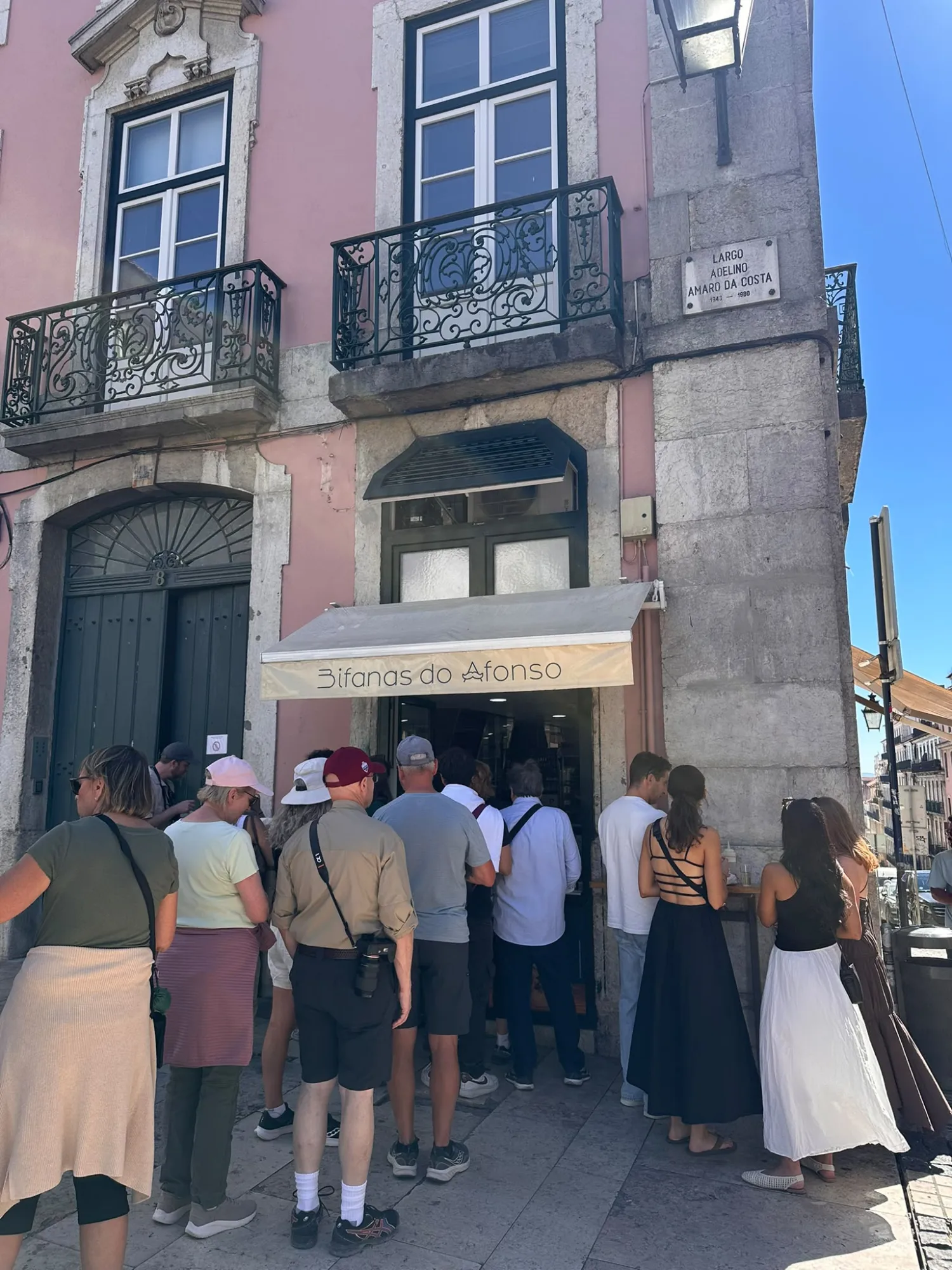
- Bifanas do Afonso: A tiny but incredibly popular counter where the crowd usually spills right out onto the street. You might bump into it if you're exploring the steep streets on a Chiado and Bairro Alto walking tour.
- A Casa das Bifanas: A great choice if you want a reliable sit-down meal right in the heart of Baixa.
- Parreirinha do Chile: A neighborhood favorite that's famous for its rich, bubbling pans of meat.
- Triângulo da Ribeira: Tucked down near the waterfront, this spot serves up hearty, classic bifanas to a very loyal local crowd.
Whether you're taking a quick break from walking up Lisbon’s steep cobblestone hills or just want to taste some real local flavors without the fancy restaurant vibe, the bifana is an absolute must-try. Grabbing a hot pork sandwich and hanging out at a crowded tasca counter is honestly one of the best ways to feel the everyday rhythm of the Portuguese capital.

Written by
Dara Gilroy
Dara is a history graduate who has been guiding with Walkative! since 2022. After living in Berlin and London, he settled in Barcelona, where he leads tours exploring the city's unconventional past, such as the Alternative walk. He has also helped launch tours in Madrid, Lisbon, and Athens.
Related stories
Food • 5 min. read
A Traveler's Guide to Lisbon's Authentic Food Scene
Explore the culinary traditions of Lisbon. This guide covers essential local snacks, iconic pastries, regional wines, and practical tips for dining authentically in the Portuguese capital.

Practical Tips • 5 min. read
An Introduction to Lisbon's Seven Historic Hills and Miradouros
Finding your bearings in the Portuguese capital relies heavily on its dedicated observation terraces, known locally as miradouros. From the sweeping elevation of Senhora do Monte to the quieter, pine-shaded pathways of Torel Garden, these public spaces are essential for understanding the city layout. This overview breaks down Lisbon and its seven ancient hills, detailing how to move between the historic neighborhoods without exhausting yourself on the steep cobblestone streets.

Culture • History • 4 min. read
Five Standout Lisbon Museums: Where to Find Art, History, and Gardens
The 1755 earthquake left the Carmo Convent with a collapsed roof and striking open-air Gothic arches, creating one of the most distinctly illuminated spaces in Lisbon. Beyond these dramatic ruins, the Portuguese capital holds vast collections ranging from centuries-old azulejo tiles to royal diamonds secured in modern vaults. Selecting which cultural space to visit often depends on whether you prefer wandering shaded gardens, studying architectural history, or interacting with seismic simulators.

Practical Tips • 5 min. read
Jardim do Torel and Other Quiet Parks for Relaxing in Lisbon
Riding the 19th-century Ascensor do Lavra up from the busy streets below leads straight to Jardim do Torel, a former private estate turned quiet public park. It is just one of several green retreats scattered across the Portuguese capital, alongside the shaded modernist paths of the Gulbenkian and the breezy waterfront of Almada. Knowing where to find these quieter courtyards and terraces changes how you navigate the city.

Practical Tips • Food • 5 min. read
What and Where to Eat in Madrid: A Local’s Guide to Culinary Bliss
Local guide to eating in Madrid: tapas bars, markets, and classic dishes. What to try, where to go, and how to order like a local.