An Introduction to Lisbon's Seven Historic Hills and Miradouros
Finding your bearings in the Portuguese capital relies heavily on its dedicated observation terraces, known locally as miradouros. From the sweeping elevation of Senhora do Monte to the quieter, pine-shaded pathways of Torel Garden, these public spaces are essential for understanding the city layout. This overview breaks down Lisbon and its seven ancient hills, detailing how to move between the historic neighborhoods without exhausting yourself on the steep cobblestone streets.
Practical Tips • 5 min. read
Last edited:
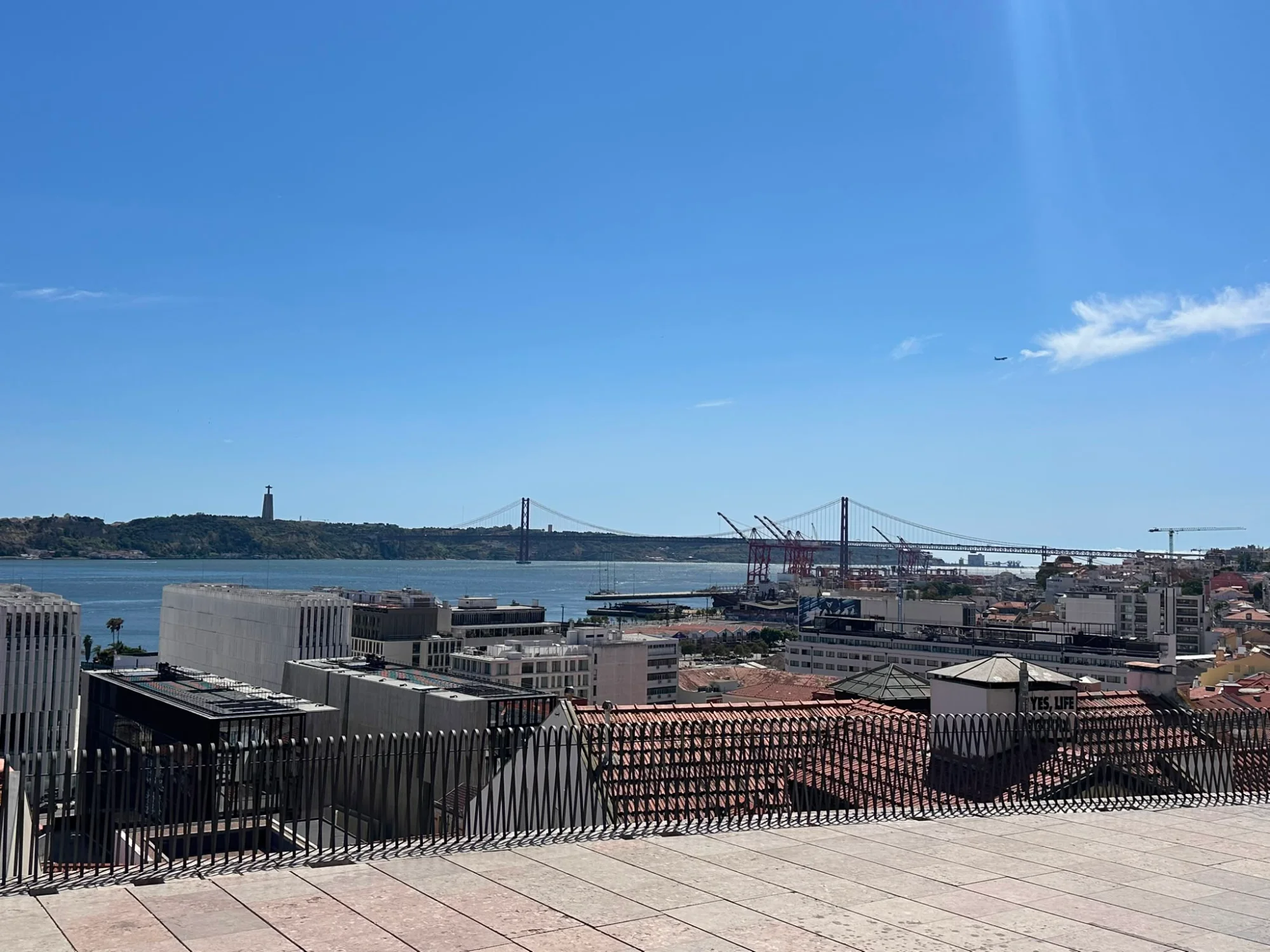
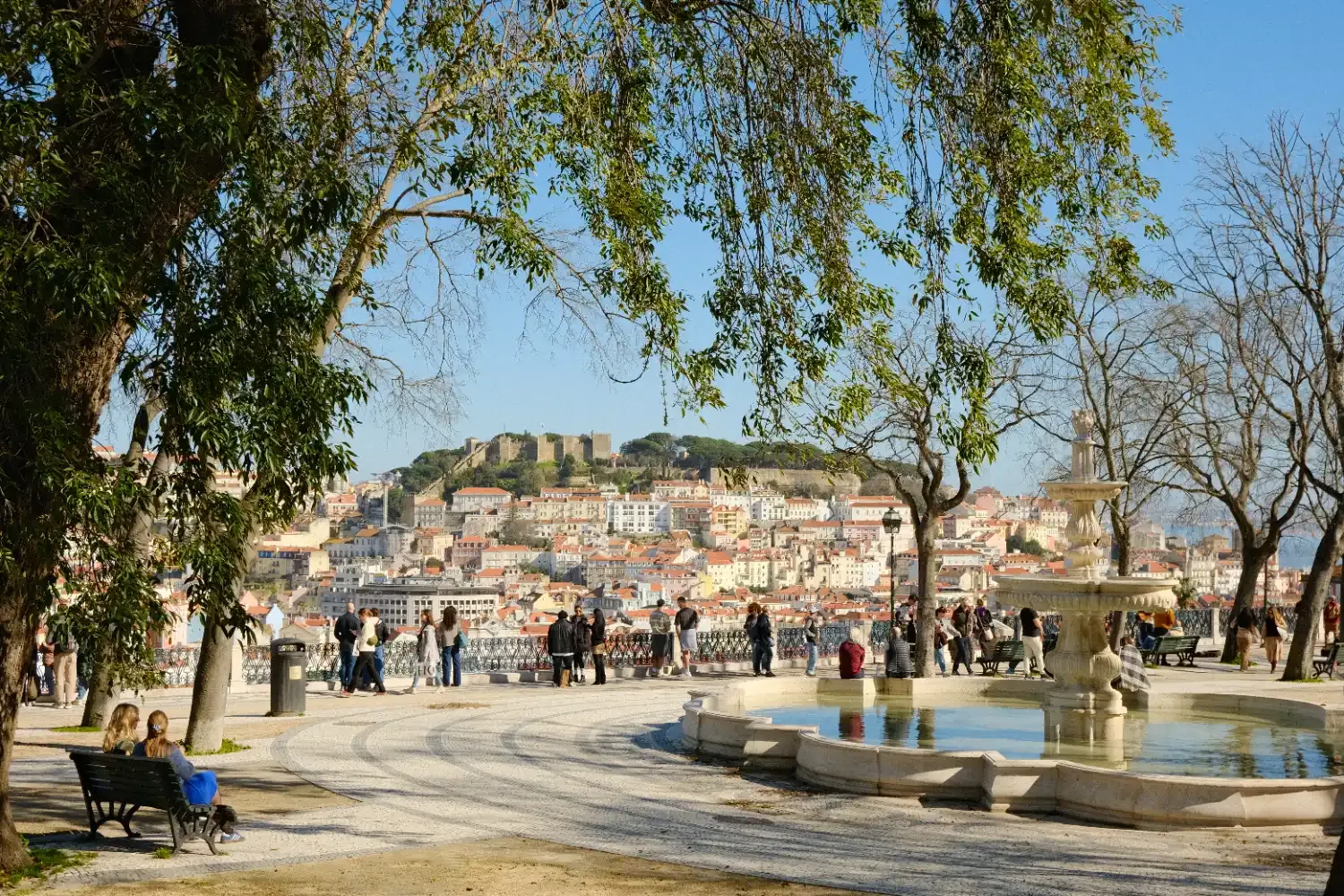
Lisbon’s famous topography is defined by its steep inclines and sweeping panoramas. Much like Rome, the Portuguese capital was historically built across seven distinct hills, each offering its own character and vantage points. Navigating this uneven terrain is central to experiencing the city, with public squares and terraces opening up to reveal terracotta roofs and the wide Tagus River below.
Introduction to Lisbon's Seven Historic Hills
The legend of Lisbon’s seven hills dates back centuries, providing a framework for how the city expanded over time. These natural elevations—São Jorge, St. Vincent, Santo André, Sant'Ana, Chagas, Santa Catarina, and São Roque—shape both the historic neighborhoods and the daily routes of locals.
To make sense of this vertical landscape, the city developed a network of miradouros (viewpoints). These dedicated observation terraces act as communal gathering spaces and offer the easiest way to orient yourself. Understanding the layout of these hills and their respective viewpoints provides a practical mental map for exploring the capital’s oldest districts.
The Eastern Hills: São Jorge and St. Vincent Viewpoints
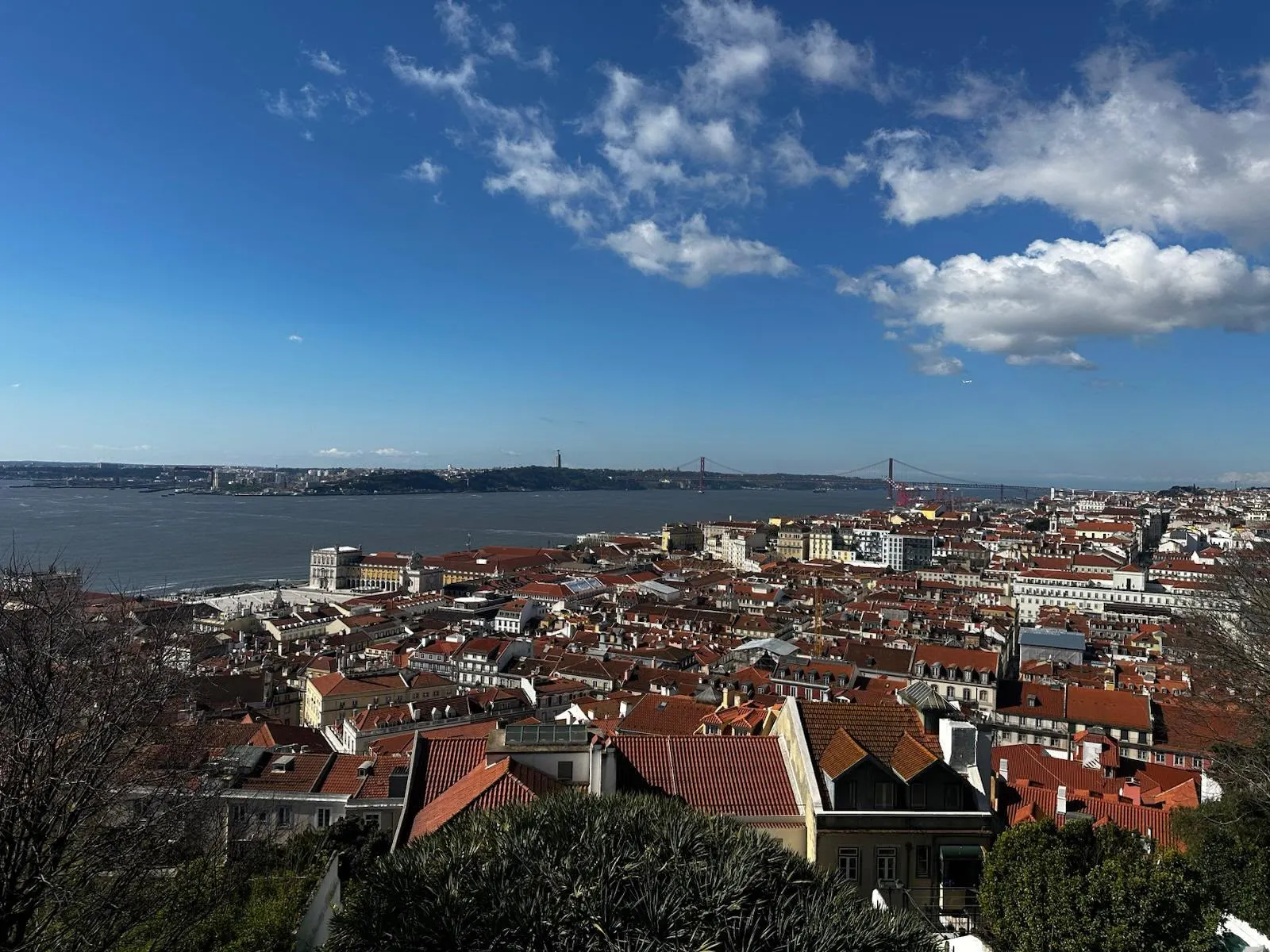
The oldest parts of Lisbon rest on the eastern hills. On São Jorge Hill, the São Jorge Castle Viewpoint provides sweeping, elevated panoramas over the Baixa district and the river, while the nearby Chão do Loureiro Viewpoint offers a quieter, slightly lower vantage point above a former market.
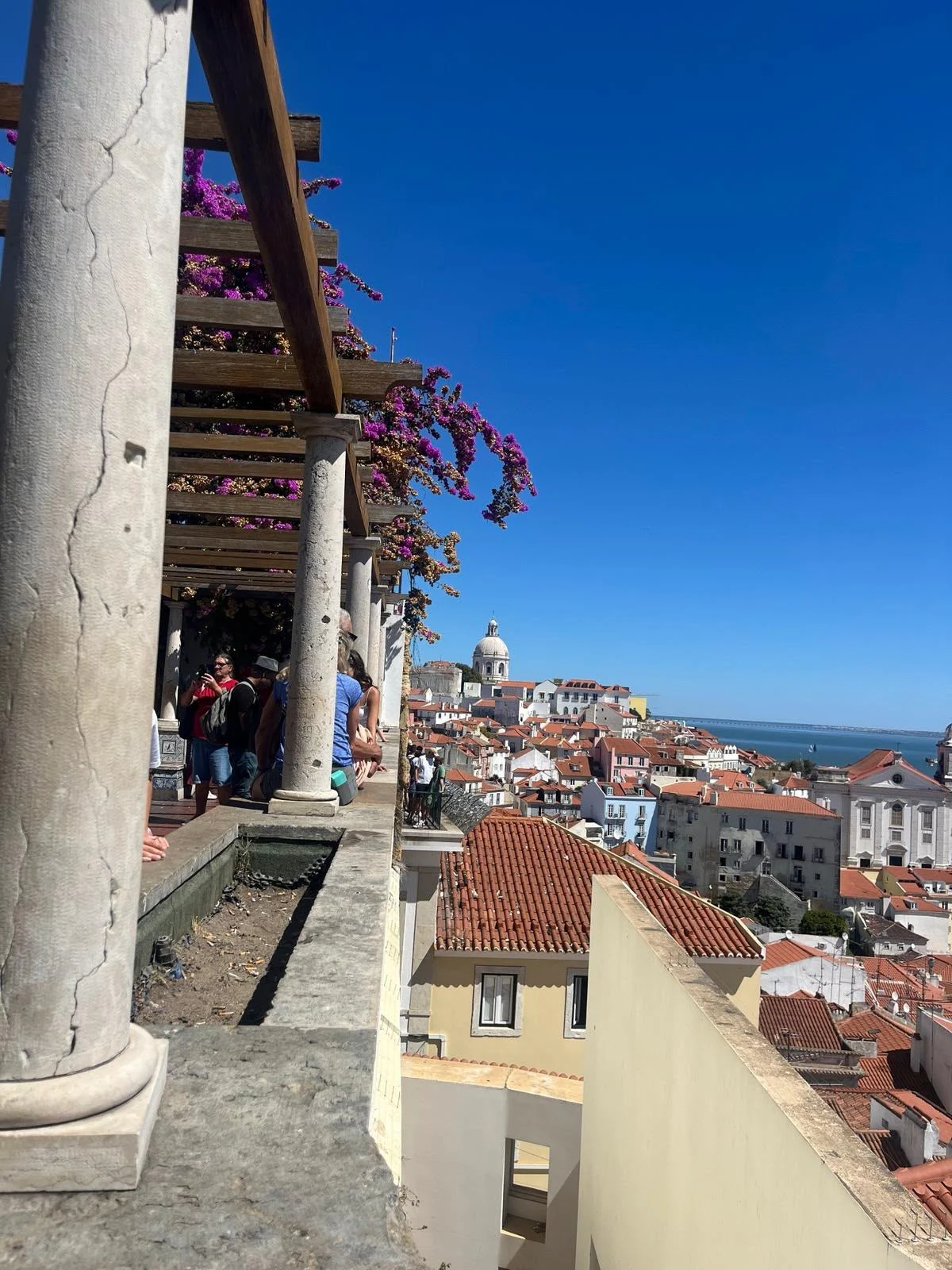
To the south, St. Vincent Hill encompasses the maze-like Alfama neighborhood. Here, the Portas do Sol Viewpoint delivers an iconic, unobstructed view over the red-tiled roofs down to the water. Just steps away, the Santa Luzia Viewpoint is framed by traditional azulejo tiles and flowering bougainvillea. Visitors exploring these older districts on a guided walking tour of Alfama often find these terraces to be essential stops for catching their breath and understanding the area's Moorish history.
High Elevations and Local Parks: Santo André and Sant'Ana
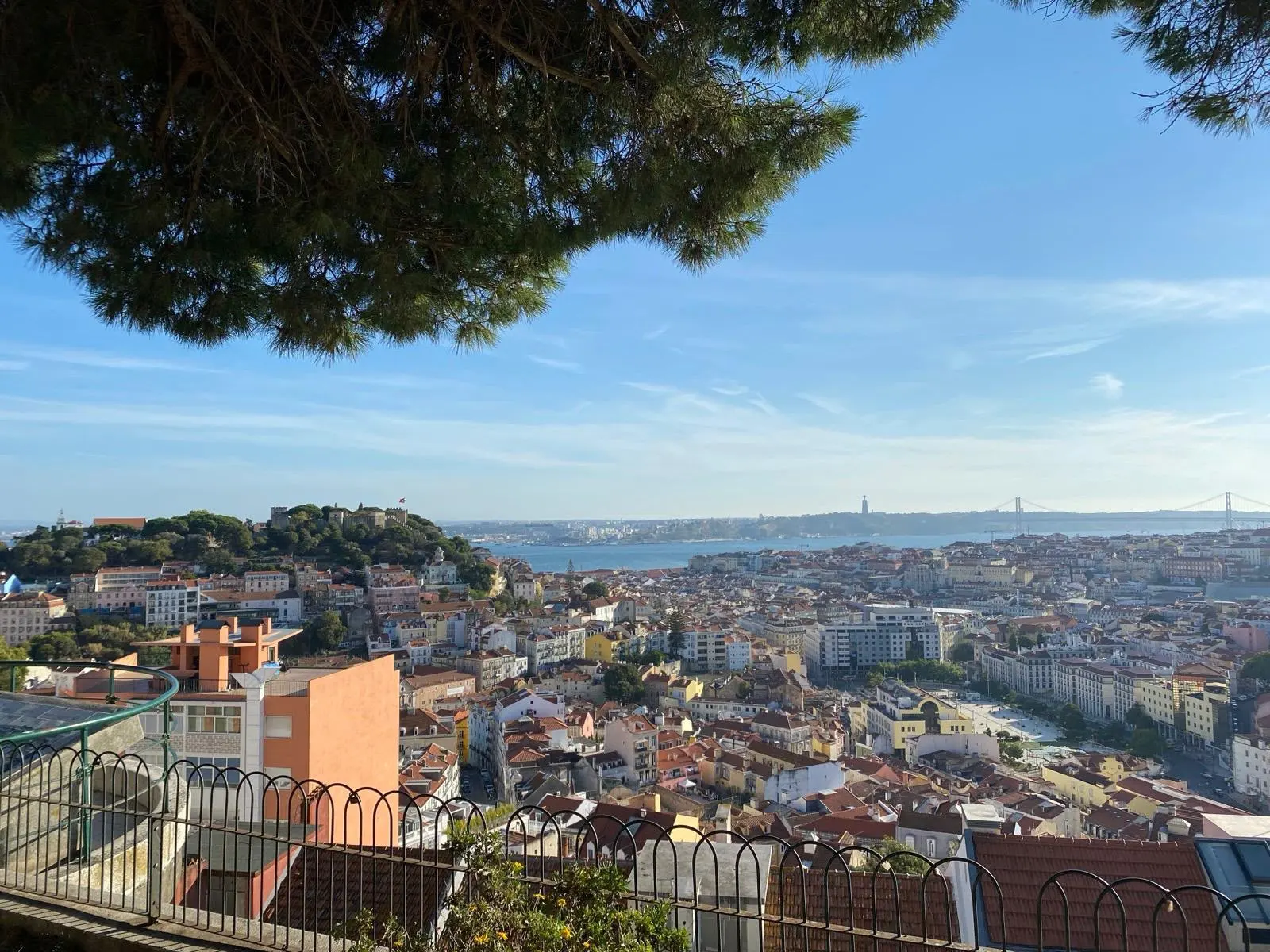
Further uphill lies Santo André Hill, home to two of the city's highest and most popular terraces. The Graça Viewpoint is a lively spot shaded by pine trees, perfect for looking back toward the castle. A short walk higher brings you to the Senhora do Monte Viewpoint, which offers the most comprehensive, unobstructed perspective of the entire cityscape.
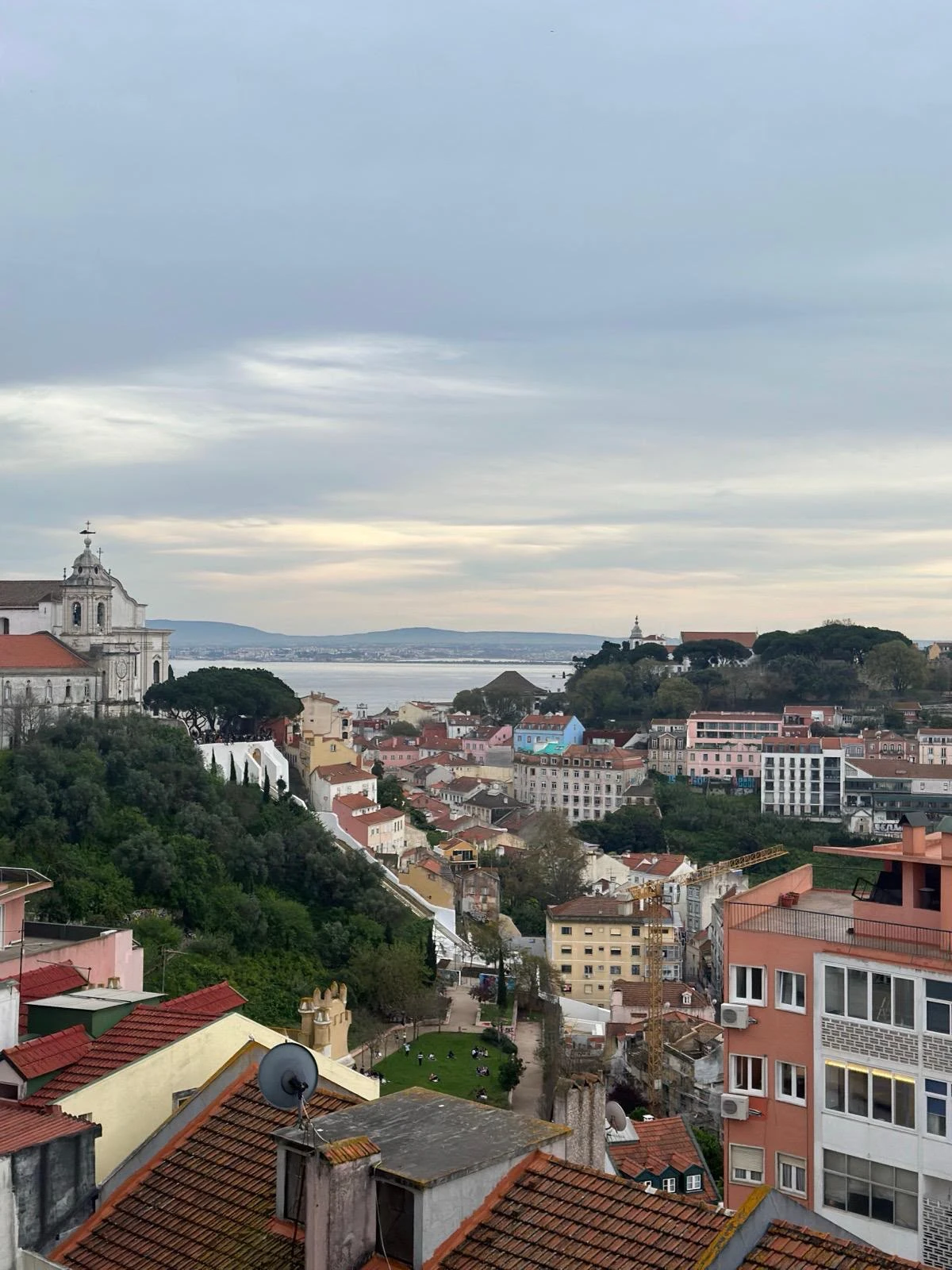
In contrast to these bustling terraces, Sant'Ana Hill hides the Torel Garden Viewpoint. Tucked away from the main tourist paths, this 19th-century public park provides a peaceful, shaded retreat with westward views over the Avenida da Liberdade. It serves as a quiet alternative for those looking to avoid the crowds while still enjoying Lisbon from above.
Central and Western Heights: Chagas, Santa Catarina, and São Roque
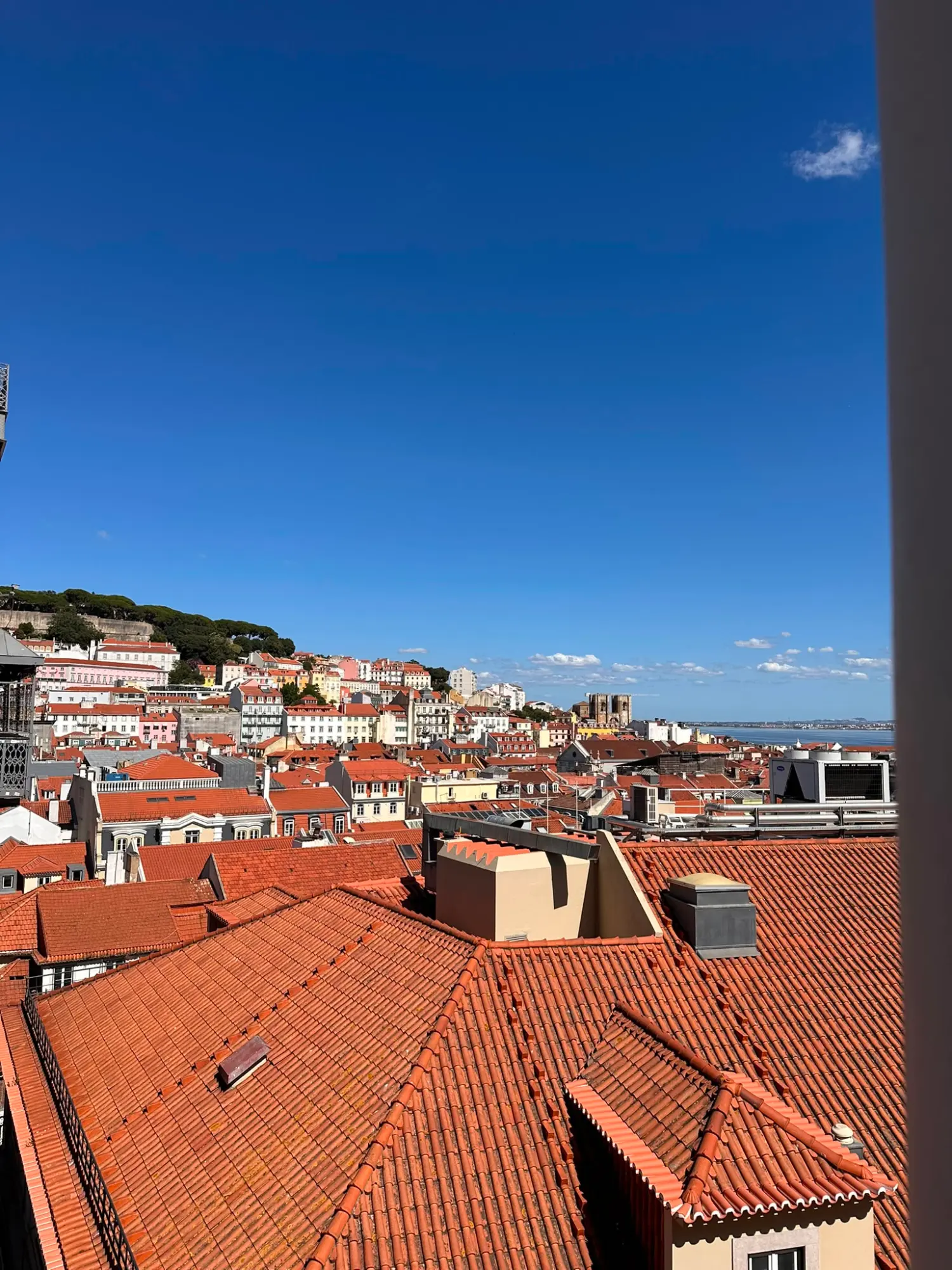
As the city expanded westward, new viewpoints emerged above the commercial center. On Chagas Hill, the Santa Justa Elevator Viewpoint connects the lower Baixa streets to the Carmo Convent ruins, providing a striking, industrial-era platform to look over the downtown grid. Exploring this transition is often a focal point of downtown walking tours that cover Baixa and Chiado.
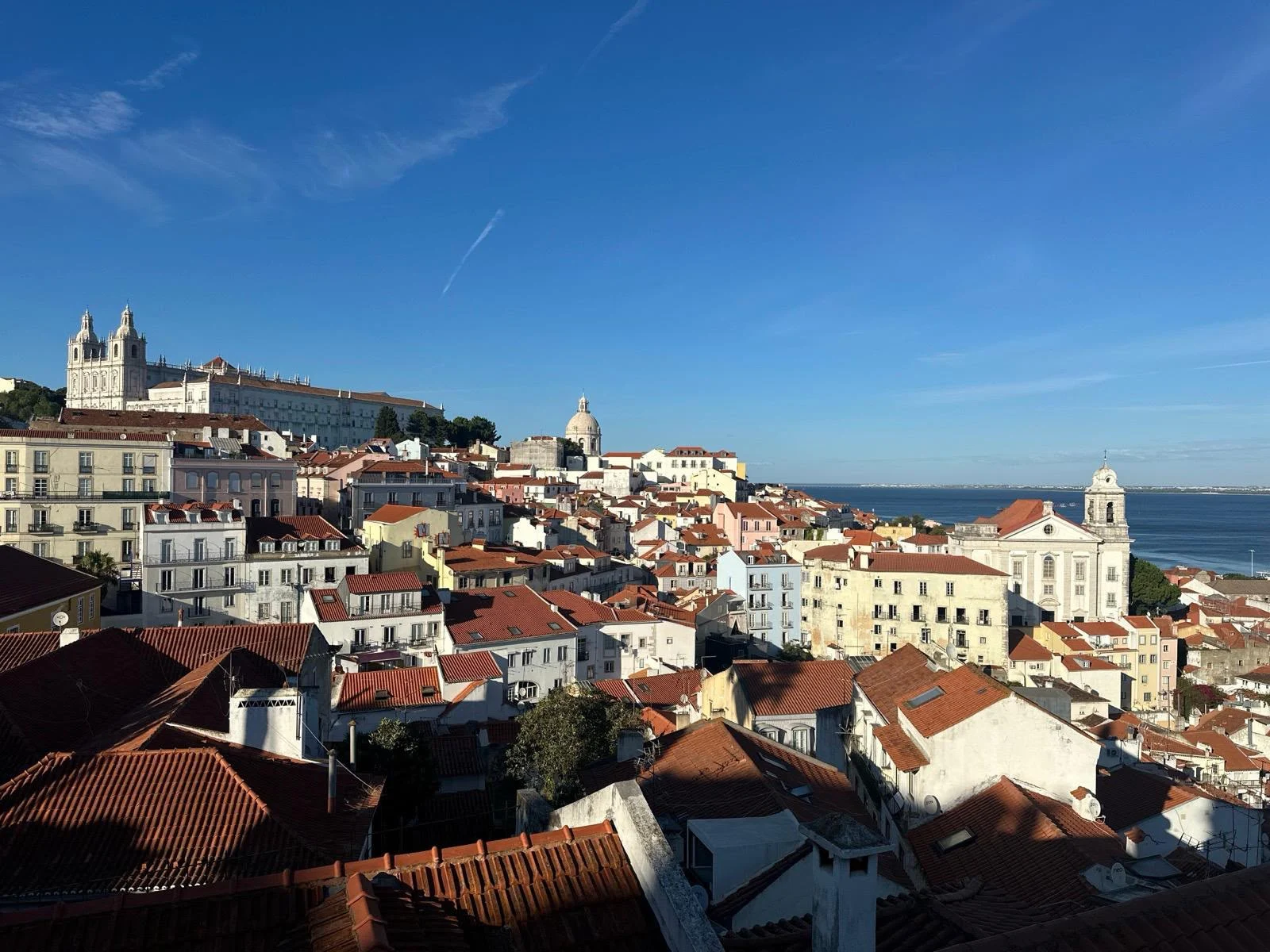
Further west on Santa Catarina Hill, the Santa Catarina Viewpoint—locally known as Adamastor—draws a vibrant evening crowd looking out over the port. To the north, São Roque Hill is crowned by the São Pedro de Alcântara Viewpoint. This large, multi-tiered garden terrace looks directly east, offering an ideal perspective to view the castle across the valley.
Practical Advice for Navigating the Hills
Traveling between Lisbon's seven hills requires a bit of planning and a good pair of walking shoes. The cobblestone streets are notoriously slippery, even when dry, making proper footwear essential. To ease the steep ascents, the city operates a public network of funiculars, trams, and modern elevators.
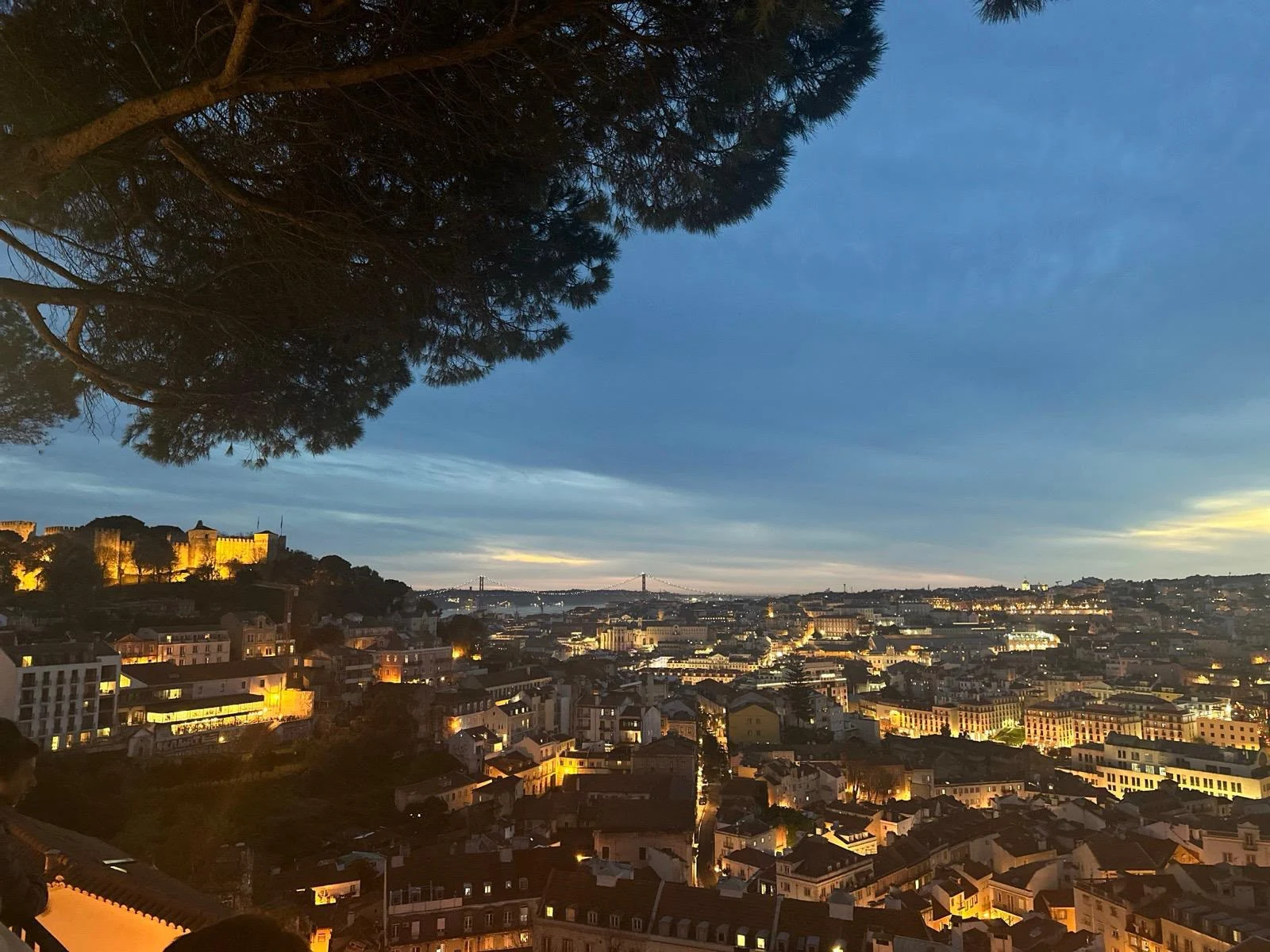
Tram lines connect many of the eastern viewpoints, though they can become heavily congested during peak tourist seasons. When planning your route, it is often best to take public transport to the highest viewpoints, such as Senhora do Monte, and walk downhill through the winding historic streets rather than attempting the steep climbs on foot.
Whether you are using the miradouros to plan your route for the day or simply pausing to appreciate the complex geography, these terraces are essential to the Lisbon experience. The seven hills define not just the physical shape of the Portuguese capital, but the everyday rhythm of life within it.
Related stories
Culture • History • 4 min. read
Five Standout Lisbon Museums: Where to Find Art, History, and Gardens
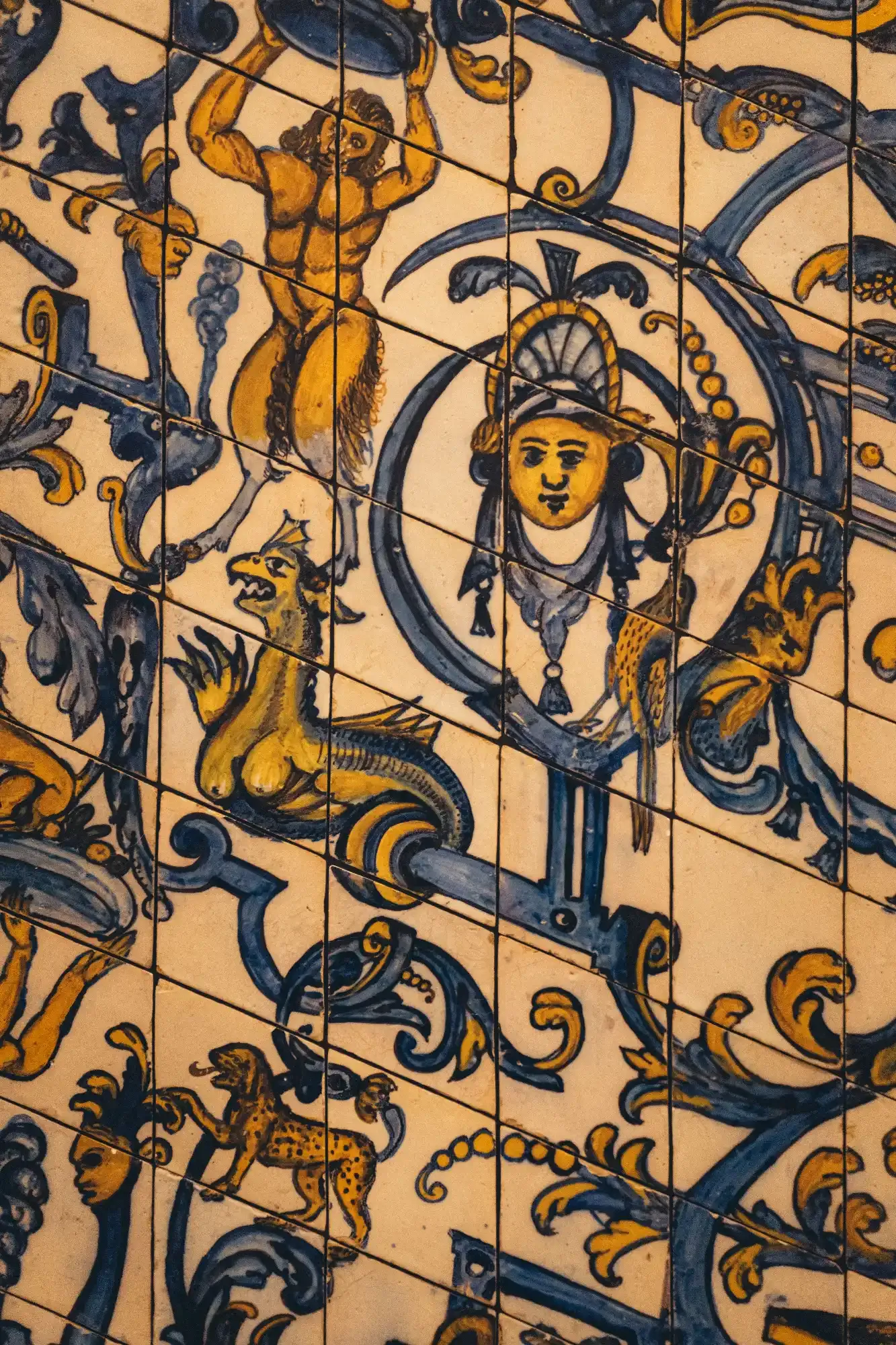
The 1755 earthquake left the Carmo Convent with a collapsed roof and striking open-air Gothic arches, creating one of the most distinctly illuminated spaces in Lisbon. Beyond these dramatic ruins, the Portuguese capital holds vast collections ranging from centuries-old azulejo tiles to royal diamonds secured in modern vaults. Selecting which cultural space to visit often depends on whether you prefer wandering shaded gardens, studying architectural history, or interacting with seismic simulators.
Practical Tips • 5 min. read
Jardim do Torel and Other Quiet Parks for Relaxing in Lisbon
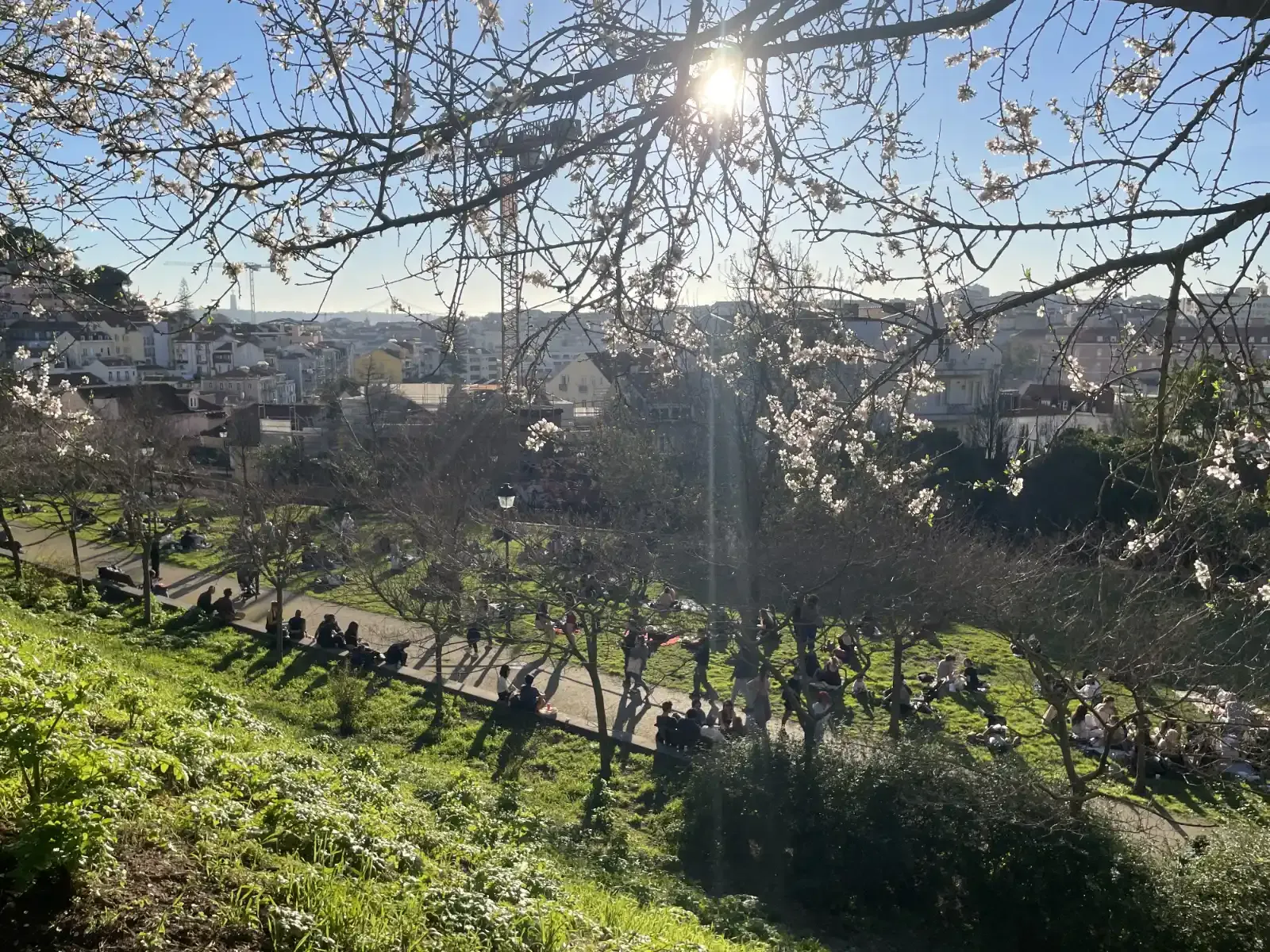
Riding the 19th-century Ascensor do Lavra up from the busy streets below leads straight to Jardim do Torel, a former private estate turned quiet public park. It is just one of several green retreats scattered across the Portuguese capital, alongside the shaded modernist paths of the Gulbenkian and the breezy waterfront of Almada. Knowing where to find these quieter courtyards and terraces changes how you navigate the city.
Food • 5 min. read
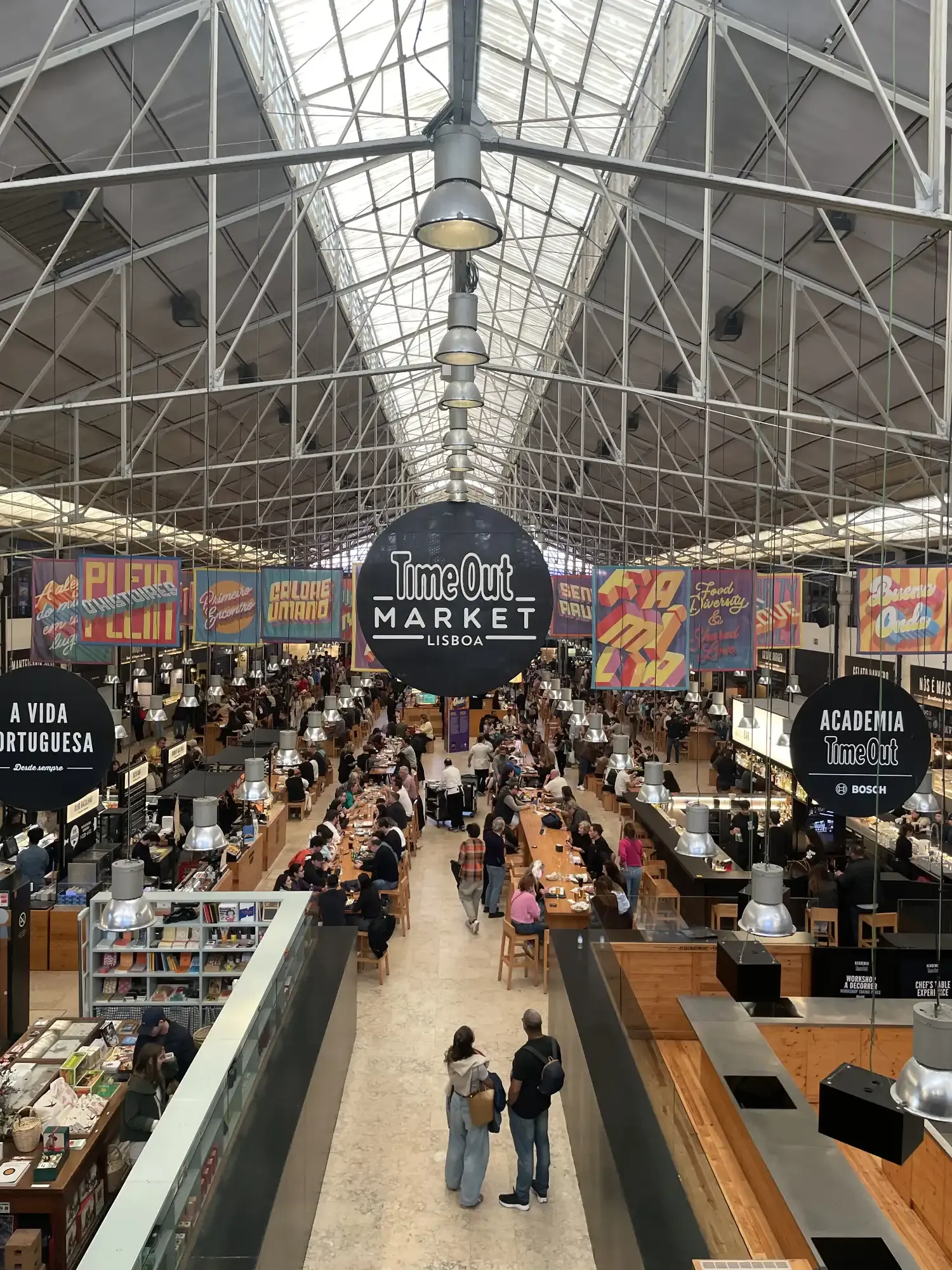
A Traveler's Guide to Lisbon's Authentic Food Scene
Explore the culinary traditions of Lisbon. This guide covers essential local snacks, iconic pastries, regional wines, and practical tips for dining authentically in the Portuguese capital.
Newsletter • 3 min. read
Things to Do in Lisbon in September 2026
September is arguably one of the most beautiful times to visit Lisbon. The intense mid-summer heat finally starts to mellow out, leaving us with warm, breezy days and pleasant evenings that are absolutely perfect for wandering the city's charming, tiled streets. If you're going to be in town this month, you're in for a real treat. A major highlight taking over the city is Festas na Rua.

Culture • Practical Tips • Food • 4 min. read
A Guide to Madrid's Authentic Neighborhood Food Markets
Behind the brick facades of Chamberí and the steep streets of Lavapiés, residents gather over small plates of tortilla and glasses of draft vermouth. The traditional neighborhood market remains a fixture of Spanish urban life, serving equally as a place to buy weekly groceries and meet friends. Navigating these working food halls provides a direct view into how people in Madrid actually eat, trading polished aesthetics for genuine community spaces.