How to Structure a 3-Day Visit to Wrocław
Planning a trip to southwestern Poland requires balancing major historical sites with the local pace of life. A three-day stay in Wrocław provides enough time to see the UNESCO-listed Centennial Hall, walk through the District of Four Denominations, and catch the evening lamplighter on Cathedral Island. This timeline combines guided walking tours with self-paced museum visits to give a clear picture of the city's layered past.
Culture • Practical Tips • History • Food • Tours • 4 min. read
Last edited:
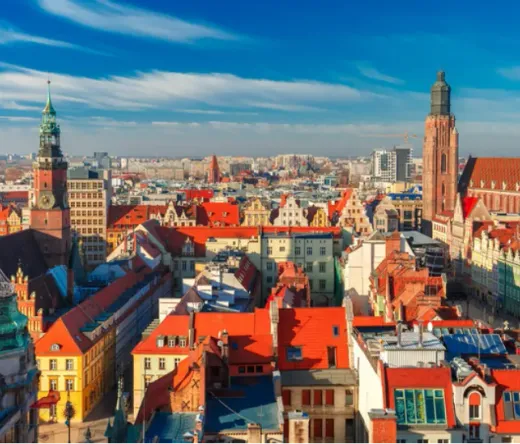
Wrocław, with its complex history and diverse architecture, rewards visitors who take the time to explore its distinct neighbourhoods. Spending three days here provides an ideal timeframe to uncover the layers of a city shaped by Bohemian, Austrian, Prussian, and Polish influences. A well-structured itinerary balances guided insights with independent discovery. By combining walking tours, major historical sights, and local museums, you can build a comprehensive understanding of the city's past and present. Incorporating an expert-led walking tour early in your trip helps establish a solid geographical foundation, allowing you to navigate the rest of your stay without feeling rushed.
Day 1: The Old Town, Cathedral Island, and Local Dining
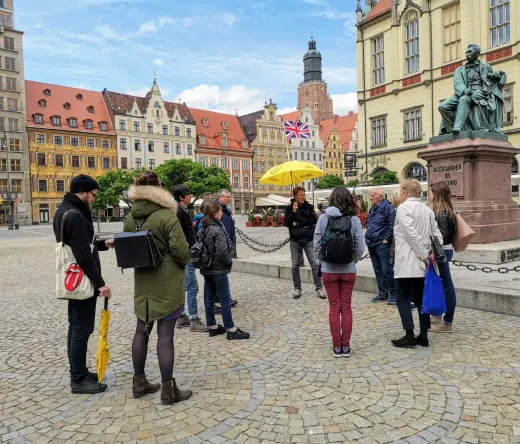
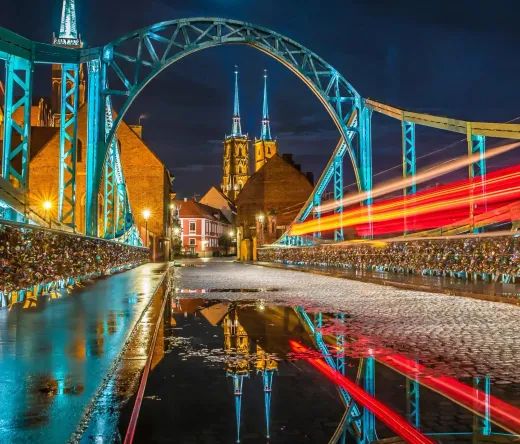
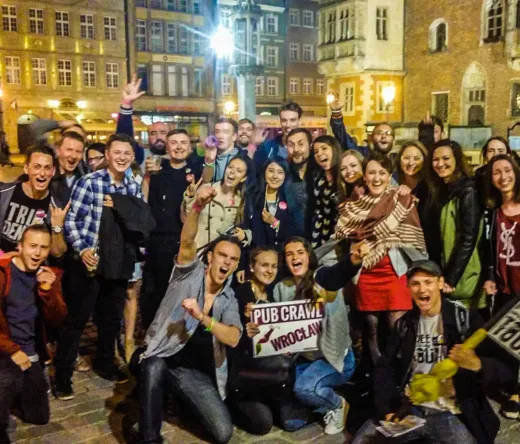
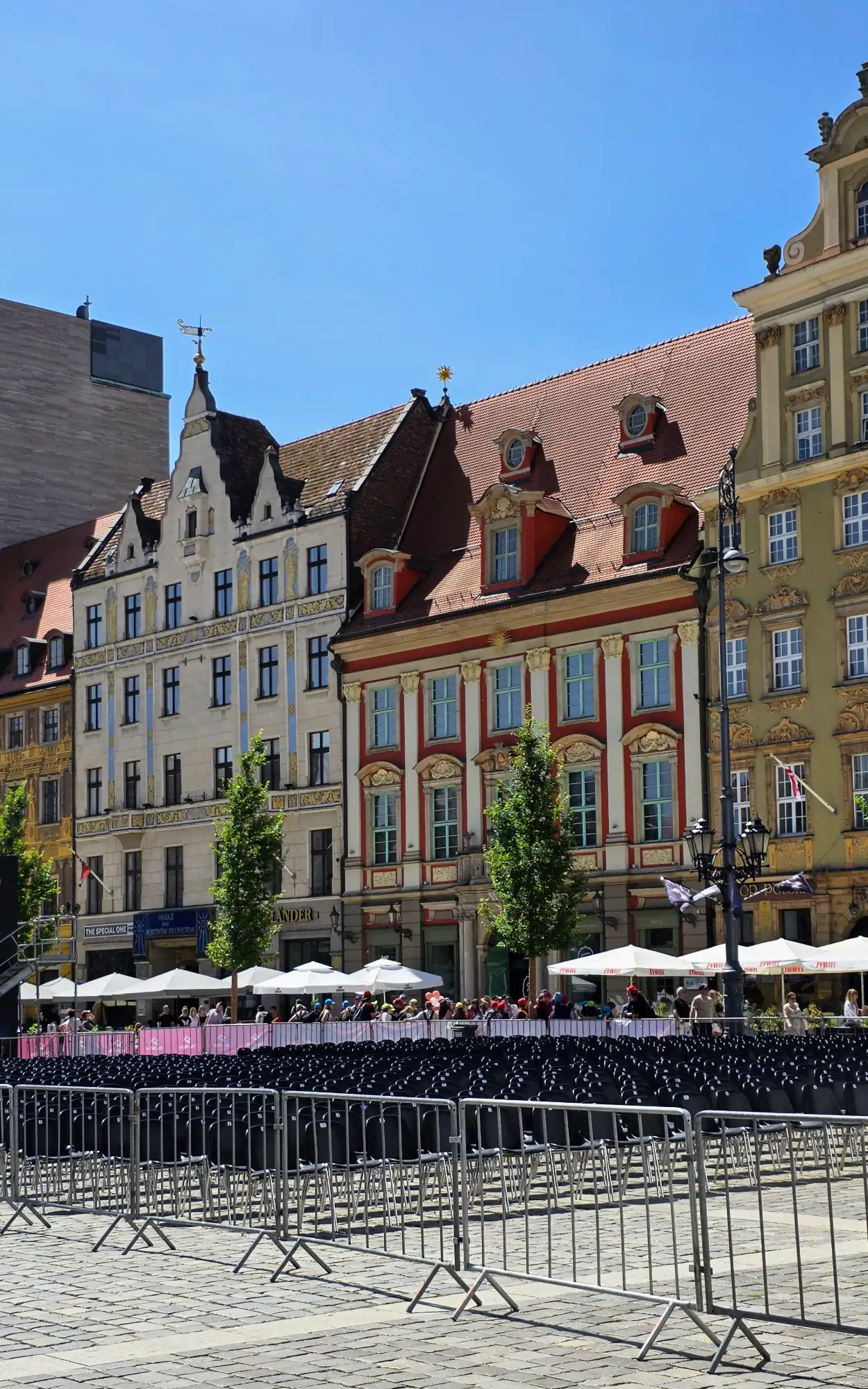
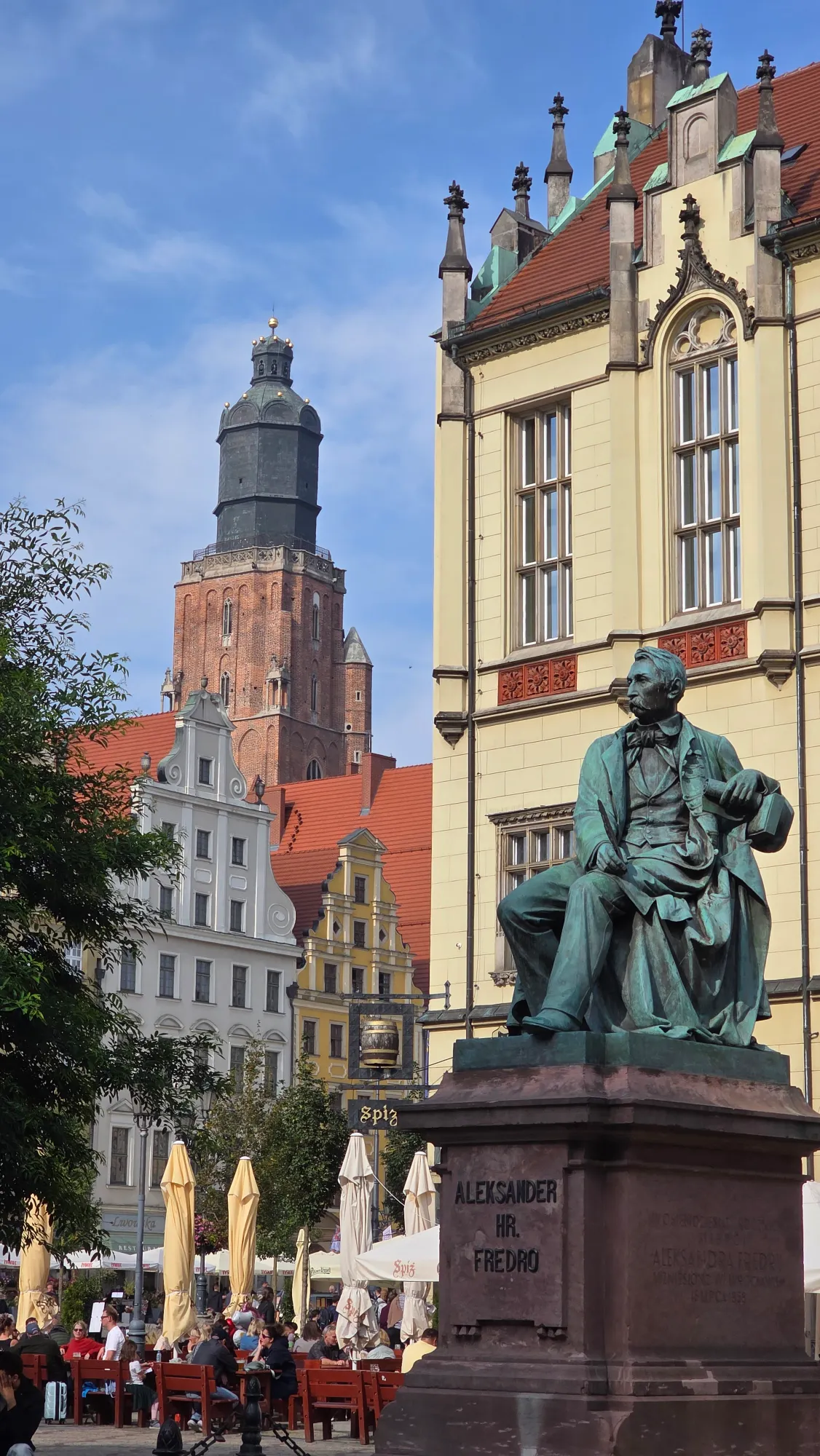
Begin your first morning by joining an Old Town walking tour. A knowledgeable guide can orient you among the colourful tenement houses of the Rynek and explain the city's multifaceted origins. Afterward, cross the Oder River to Cathedral Island (Ostrów Tumski), the oldest part of Wrocław, where grand Gothic architecture defines the skyline.
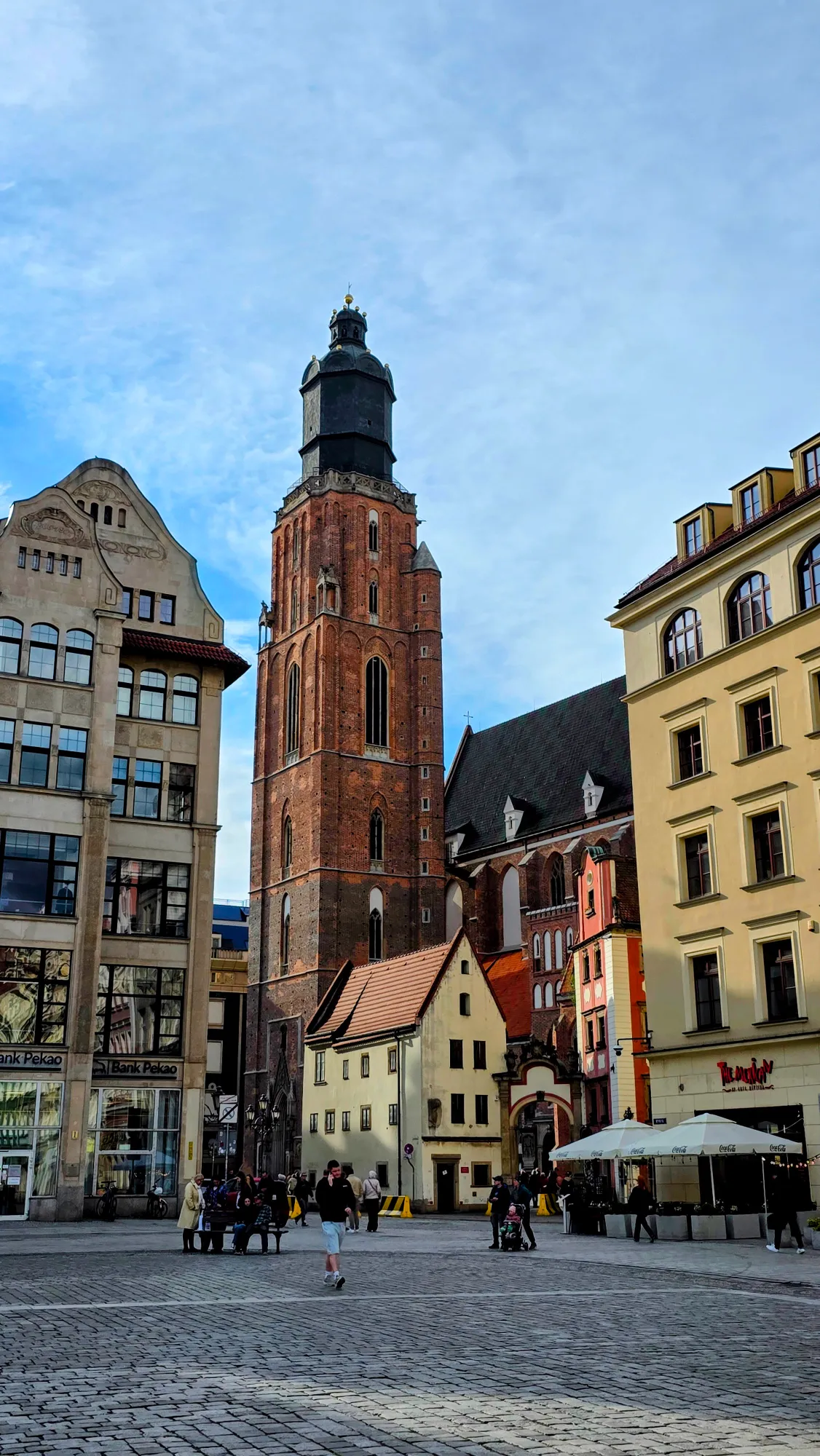
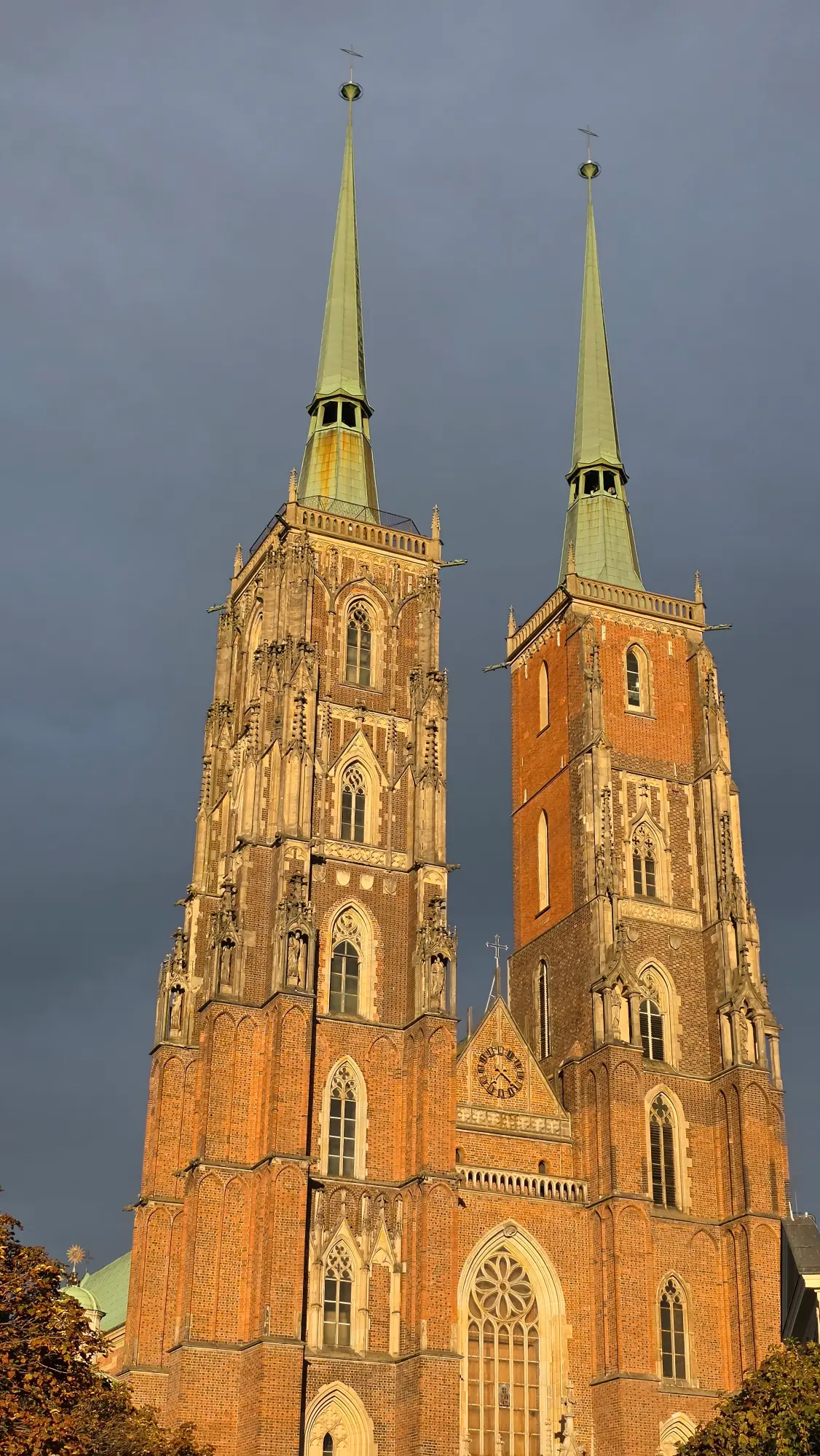
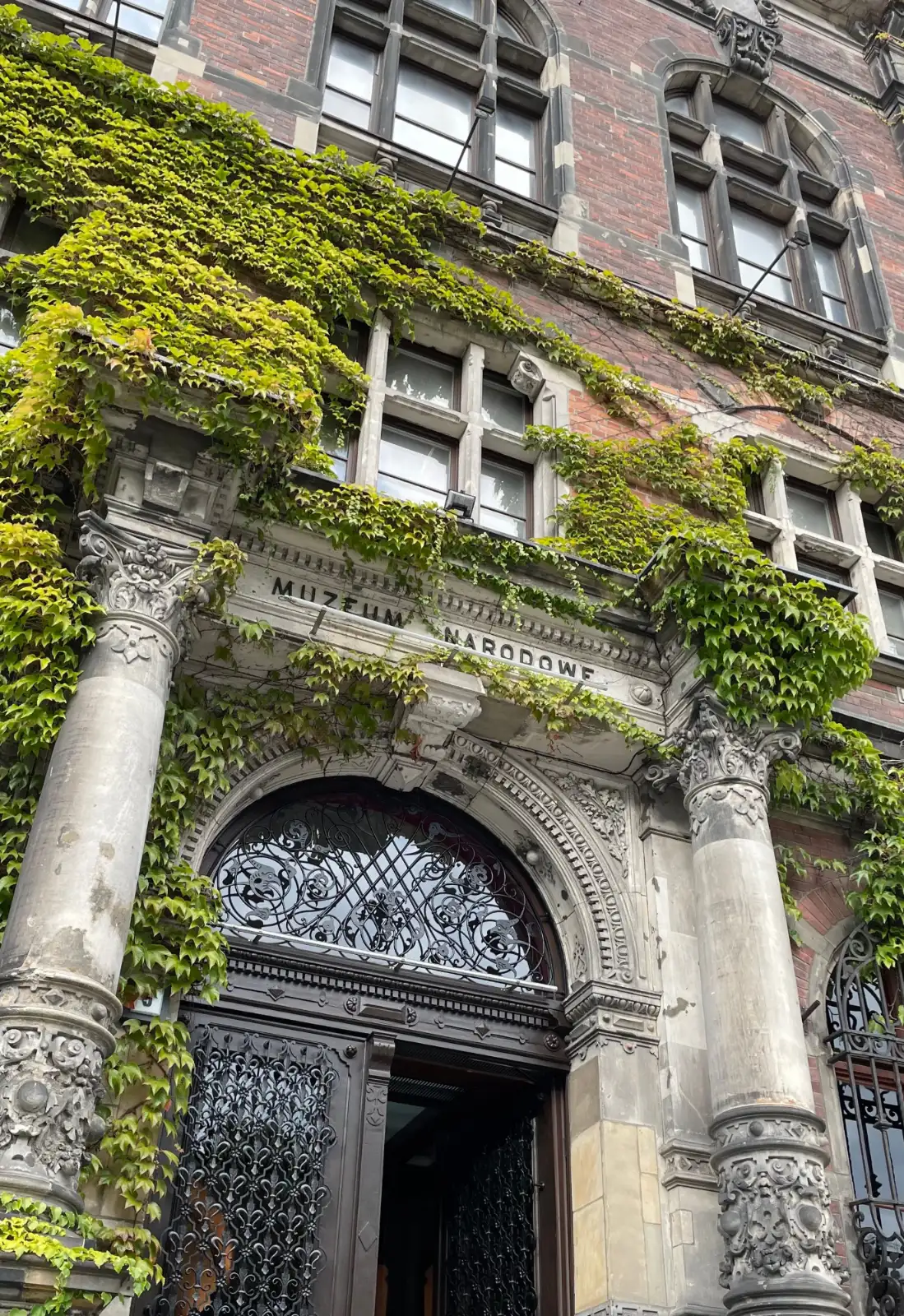
In the afternoon, you can expand your historical context by visiting the National Museum or viewing the monumental Panorama Racławicka nearby. For dinner, the area around the Main Market Square offers numerous traditional Polish options. Alternatively, head south to the Nasyp—the railway embankment on Bogusławskiego Street—for a more relaxed, local dining scene featuring independent pubs and small eateries built directly into the brick arches.
Day 2: The Centennial Hall Complex and the Evening Lamplighter
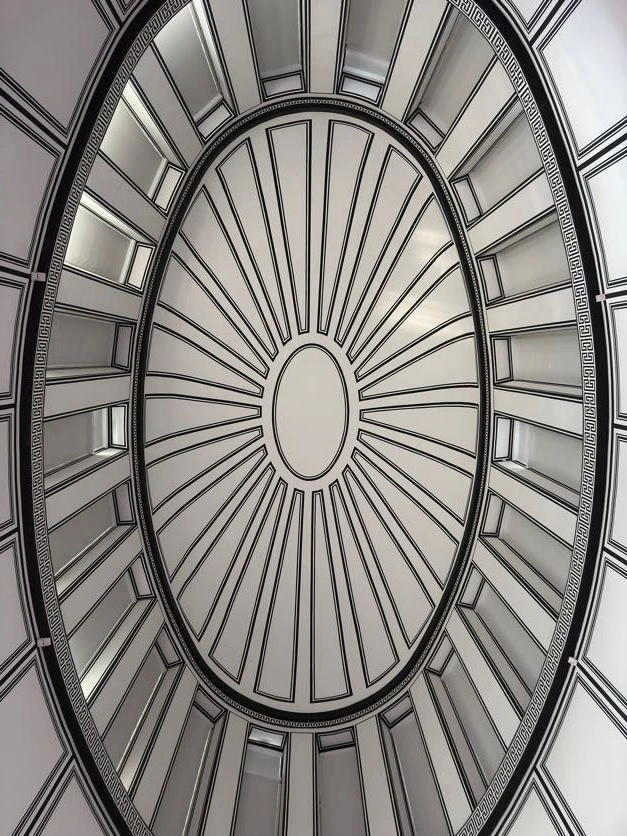
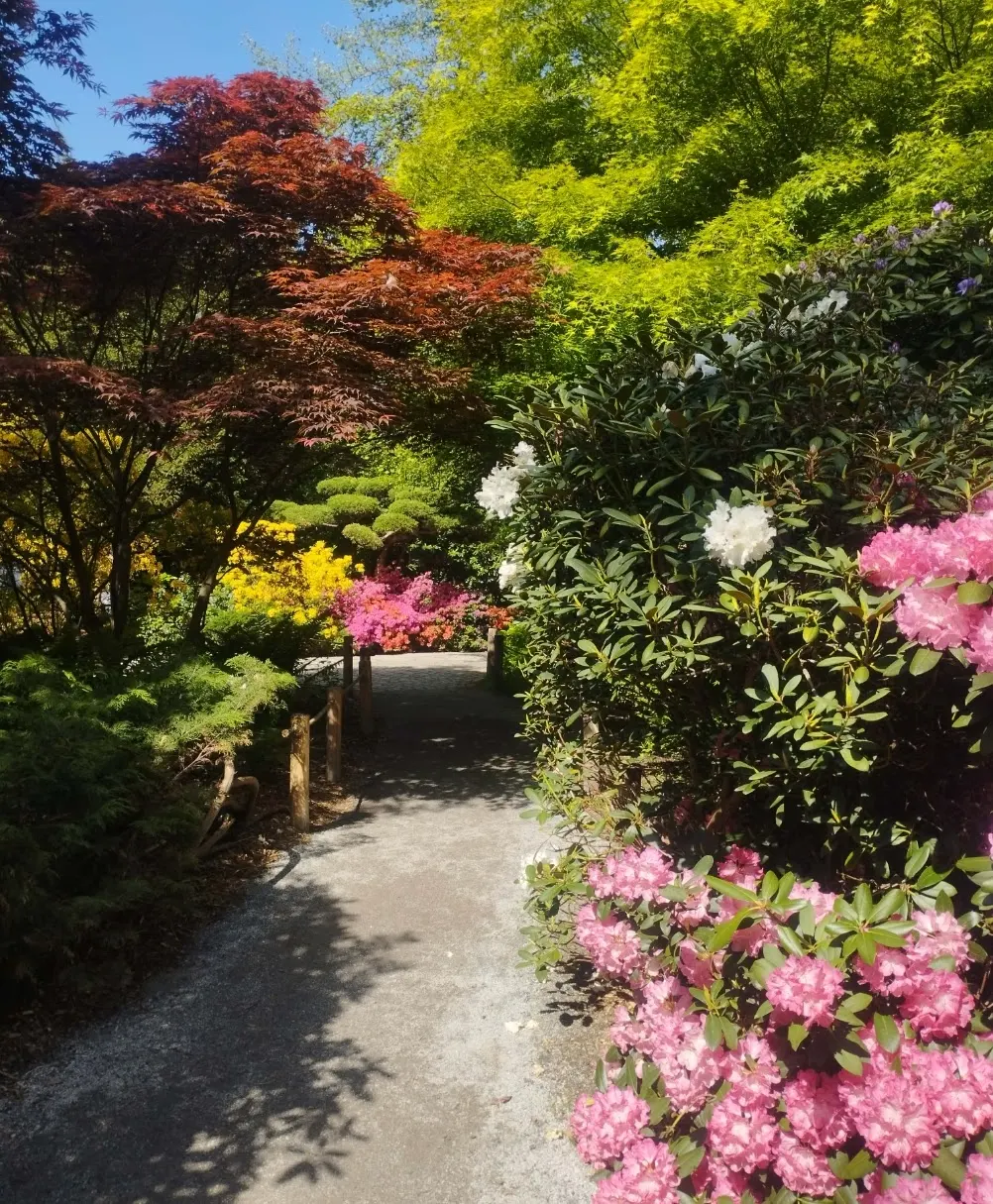
Dedicate your second day to the eastern part of the city, focusing on the UNESCO-listed Centennial Hall complex. This early 20th-century architectural marvel, famous for its pioneering concrete dome, is surrounded by expansive green spaces. Here, you can walk the carefully landscaped paths of the Japanese Garden or visit the extensive Wrocław Zoo. During the warmer months, the nearby multimedia fountain operates daily, offering a pleasant spot to rest.
As dusk approaches, take a tram back toward Cathedral Island. If you time your visit well, you can observe a unique local tradition: the city's official lamplighter hand-lighting the historic gas lamps that line the quiet, cobbled streets.
Day 3: The District of Four Denominations and Świdnicka Street
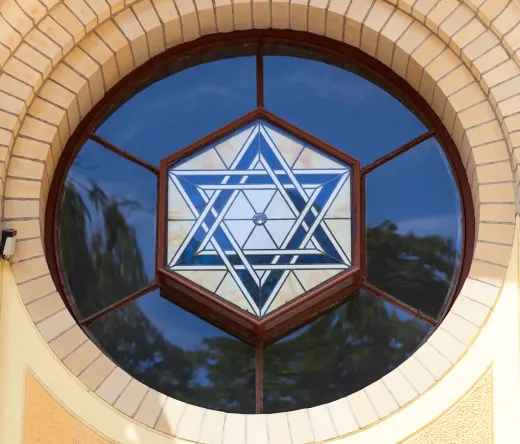
Start your final day by exploring Wrocław's thriving specialty coffee scene before walking down Świdnicka Street. Historically an important trade route, this wide avenue is lined with grand architecture and prominent landmarks. In the afternoon, shift your focus to the District of Four Denominations. This distinctive area, characterized by the close proximity of a synagogue, a Catholic church, an Orthodox church, and a Protestant church, stands as a physical representation of the city's historical diversity.
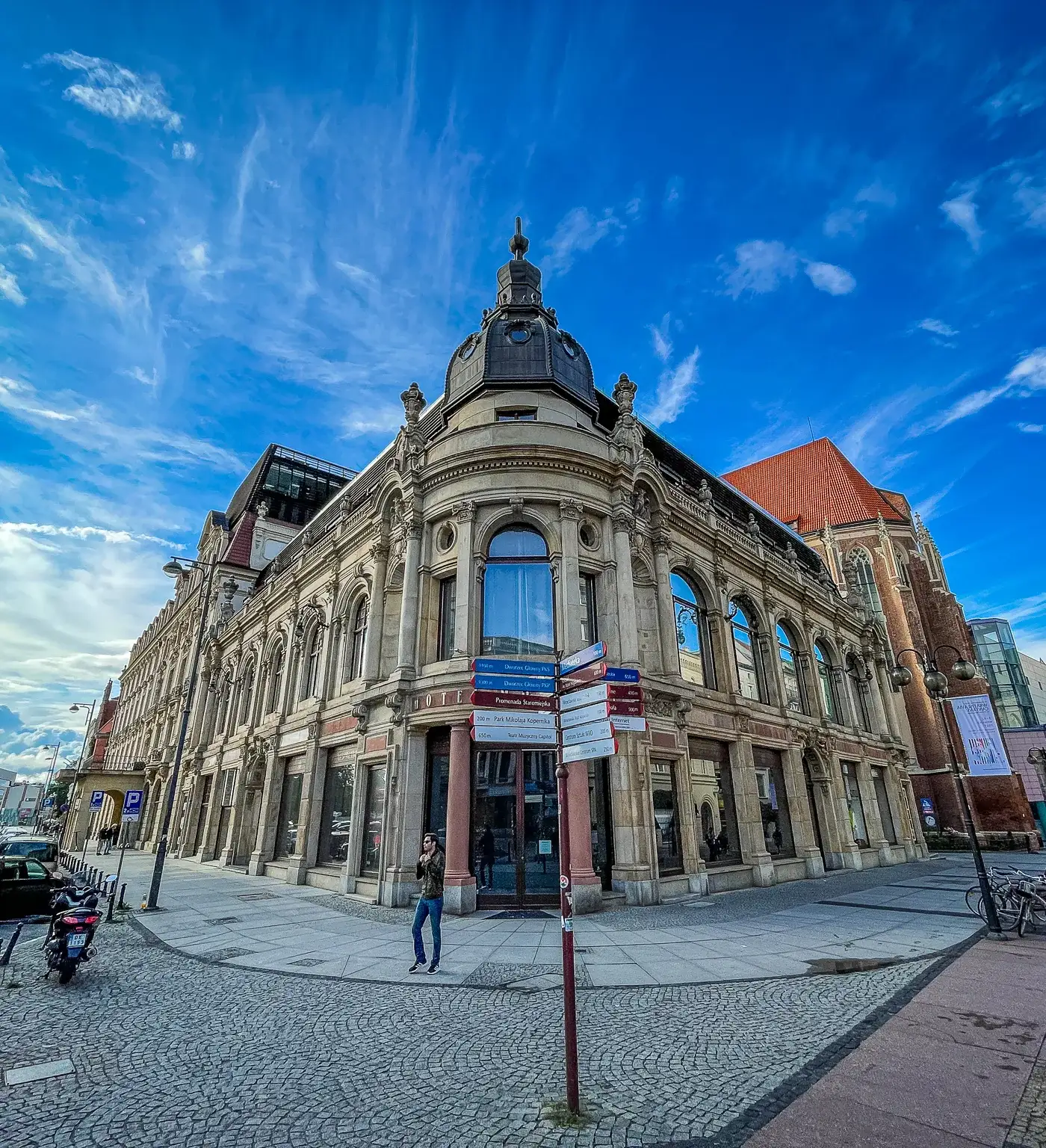
Joining a guided walking tour focusing on Jewish Wrocław and World War II provides crucial context here. An expert guide can help you understand the profound transformations and tragic events that reshaped this district and the entire city during the 20th century.
Practical Tips for Your Wrocław Itinerary
While this itinerary provides a structured framework, Wrocław is best explored with a degree of flexibility. Always verify the current opening hours of museums and the latest schedules for walking tours, as these often vary by season and public holidays. Since outdoor exploration makes up a large part of this route, keep indoor alternatives in mind in case of unexpected rain. Tram schedules frequently change during weekends or local events, so using local transit apps will help ensure accurate routing.
Whether you are navigating the historic paths of the Old Town, resting in the green spaces of the Centennial Hall complex, or learning about the city's complex history, Wrocław consistently offers a rewarding experience. By pacing your visit over three days and utilizing local knowledge, you will leave with a clearer, more nuanced understanding of this dynamic Central European destination.
Related stories

Practical Tips • Food • 4 min. read
A Guide to Specialty Coffee and Local Roasters in Wrocław
Poland's shift from a tea-drinking nation to an artisanal coffee hub is visible across Wrocław. Independent cafes and local roasteries, such as Mała Czarna near the Olympic Stadium, have largely replaced generic chains. From hop-infused cold brews on Szewska Street to champion baristas pouring inside Hala Targowa, the local coffee scene offers a high-quality break between sightseeing.

Culture • Practical Tips • History • Tours • Newsletter • 4 min. read
How Community Street Art Revitalized Wrocław’s Nadodrze District
Following the economic turbulence of the 1990s, the residential blocks of Nadodrze faced significant neglect and high unemployment. Instead of sweeping modernization, the community turned to large-scale, co-created public art to reshape their neighborhood. Projects along Roosevelt Street brought professional artists and locals together, transforming gray facades into vivid examples of grassroots storytelling in Wrocław.
Practical Tips • History • 3 min. read
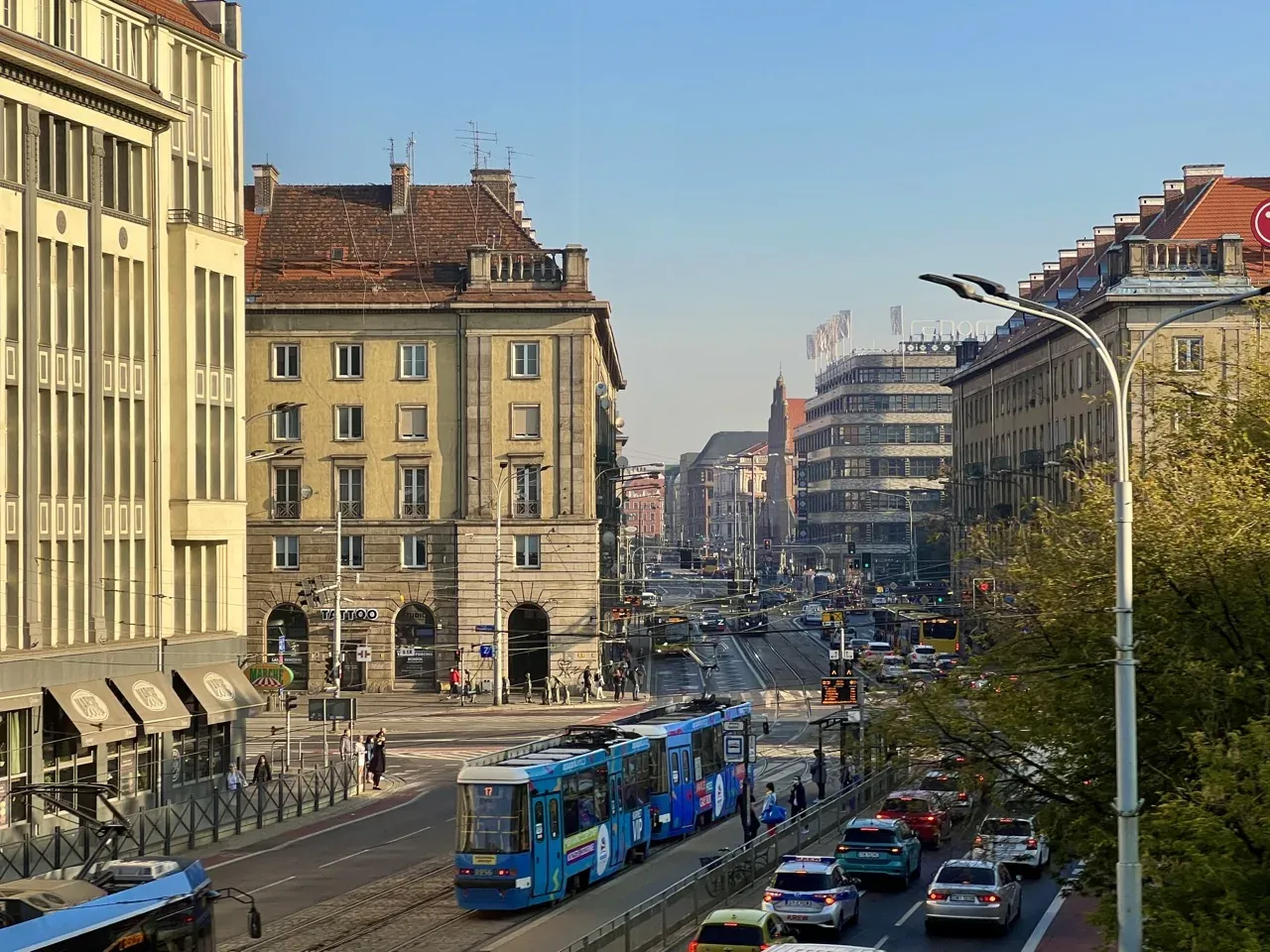
How to get around Wrocław?
Navigate Wrocław like a local. Everything you need to know about trams, buses, and public transport in the City of Dwarfs.
Culture • Practical Tips • History • Tours • Newsletter • 4 min. read
Inside the Four Domes Pavilion: Wroclaw's Museum of Contemporary Art
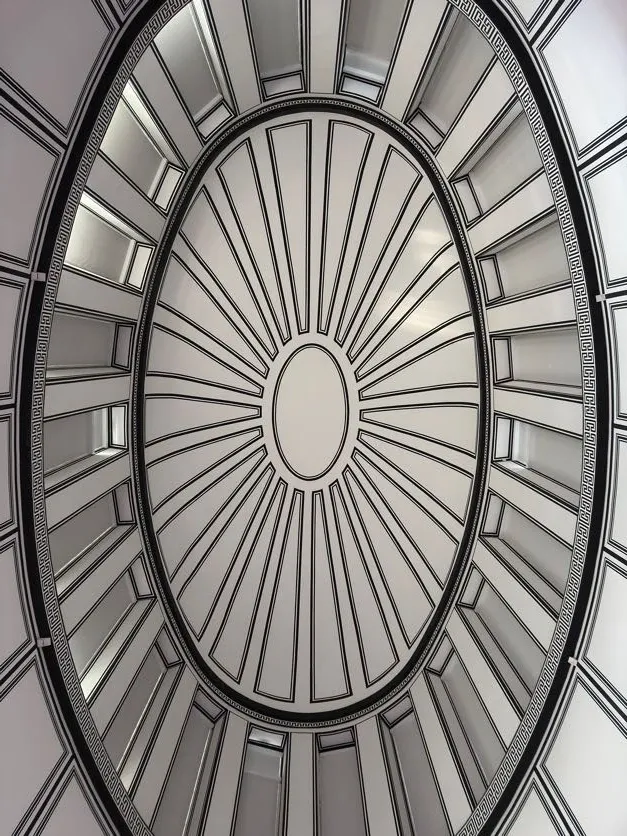
Designed in 1912 by architect Hans Poelzig, the Four Domes Pavilion stands just steps from Centennial Hall as a striking modernist landmark. Today, its naturally lit interiors serve as the contemporary branch of the National Museum in Wroclaw. The collection maps a complicated era of Polish creativity, contrasting state-mandated socialist realism with the highly individual resistance of post-war sculptors and painters.
Culture • History • 2 min. read
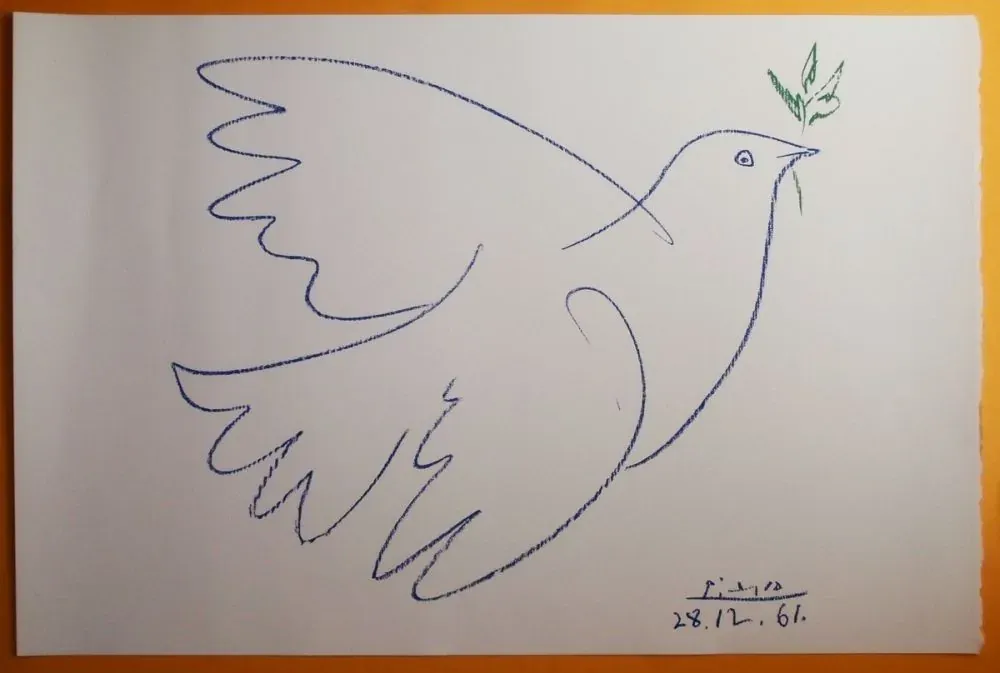
Pablo Picasso in Wrocław
Learn about Pablo Picasso in Wrocław. Discover the artist's historical connection to the city with factual insights from Walkative guides.