7 Curious London Love Stories — and Where to Find Them
London’s history is full of love stories: some romantic, some tragic, and some downright strange. Here are seven of our favourites — and the places where you can still find their traces today.
Culture • History • 9 min. read
Last edited:
1. Dance around a tree with Elizabeth I — Hatton Garden
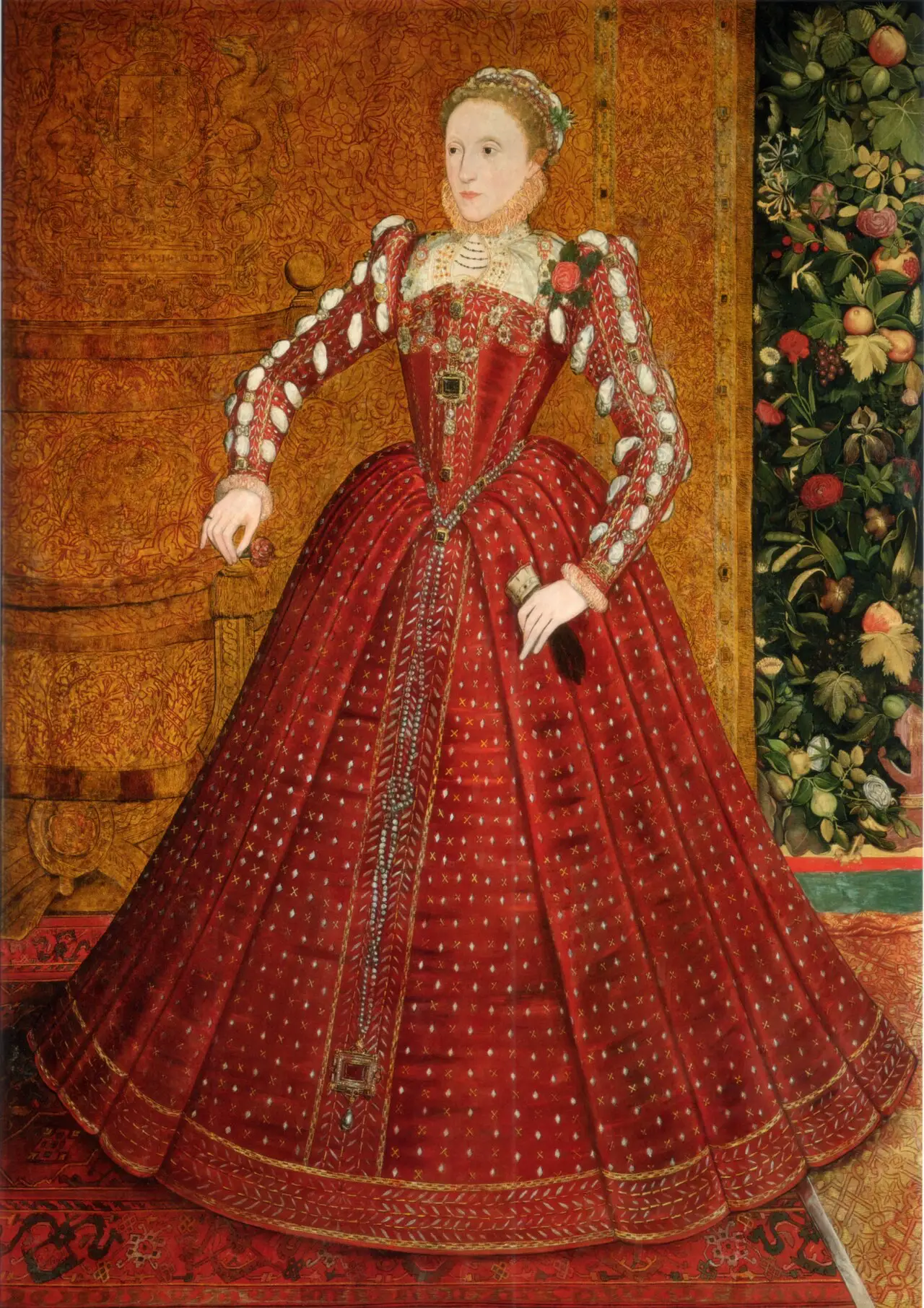
Hidden down an alleyway off Hatton Garden is Ye Olde Mitre, a tiny pub with a rather wonderful Tudor love story attached to it.
According to longstanding local tradition, Elizabeth I once danced around a cherry tree here with Sir Christopher Hatton, one of her great favourites. The story itself is impossible to prove, but Hatton’s relationship with both Elizabeth and this particular patch of London is very real.
Hatton was celebrated at court for his excellent dancing, which helped bring him to the Queen’s attention. He subsequently rose spectacularly through Elizabeth’s court, eventually becoming Lord Chancellor. Elizabeth also helped him acquire part of the enormous gardens belonging to the Bishops of Ely — which is why the surrounding district is still called Hatton Garden.
Ye Olde Mitre preserves the remains of an old cherry tree and, more importantly, the story attached to it.
Do it yourself: Find Ye Olde Mitre at 1 Ely Court, order a pint and look for the old cherry tree. Dancing around it with your date is optional.
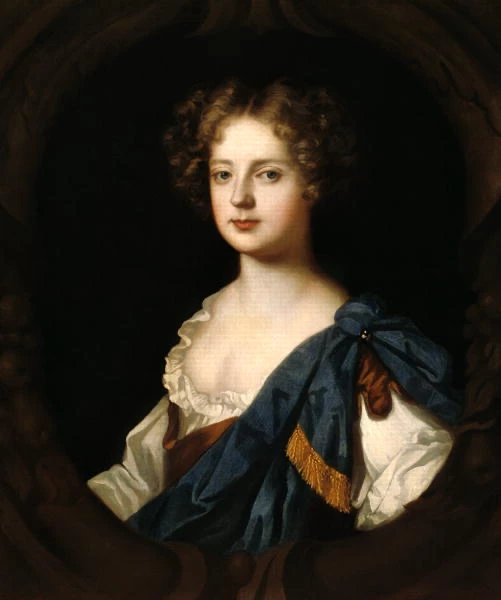
2. Have a drink where Nell Gwyn caught the King’s eye — Theatre Royal Drury Lane
The love life of Charles II makes most modern dating histories look relatively uneventful. But the most famous of his many mistresses was Nell Gwyn: actress, comedian and one-time orange seller.
Nell became one of the stars of the Theatre Royal Drury Lane in the 1660s. Charles II was a regular theatregoer and saw Nell perform there before she became his lover.
Their relationship lasted for years and produced two sons. Nell also achieved something few royal mistresses managed: she remained enormously popular with the public.
The theatre standing here today isn’t Nell’s — Drury Lane has been rebuilt several times — but remarkably, there has been a Theatre Royal on essentially this site since 1663.
Do it yourself: You don’t need a theatre ticket. Head up to the theatre’s Terrace for a drink and toast Nell and Charles roughly 360 years after the King first watched her perform.
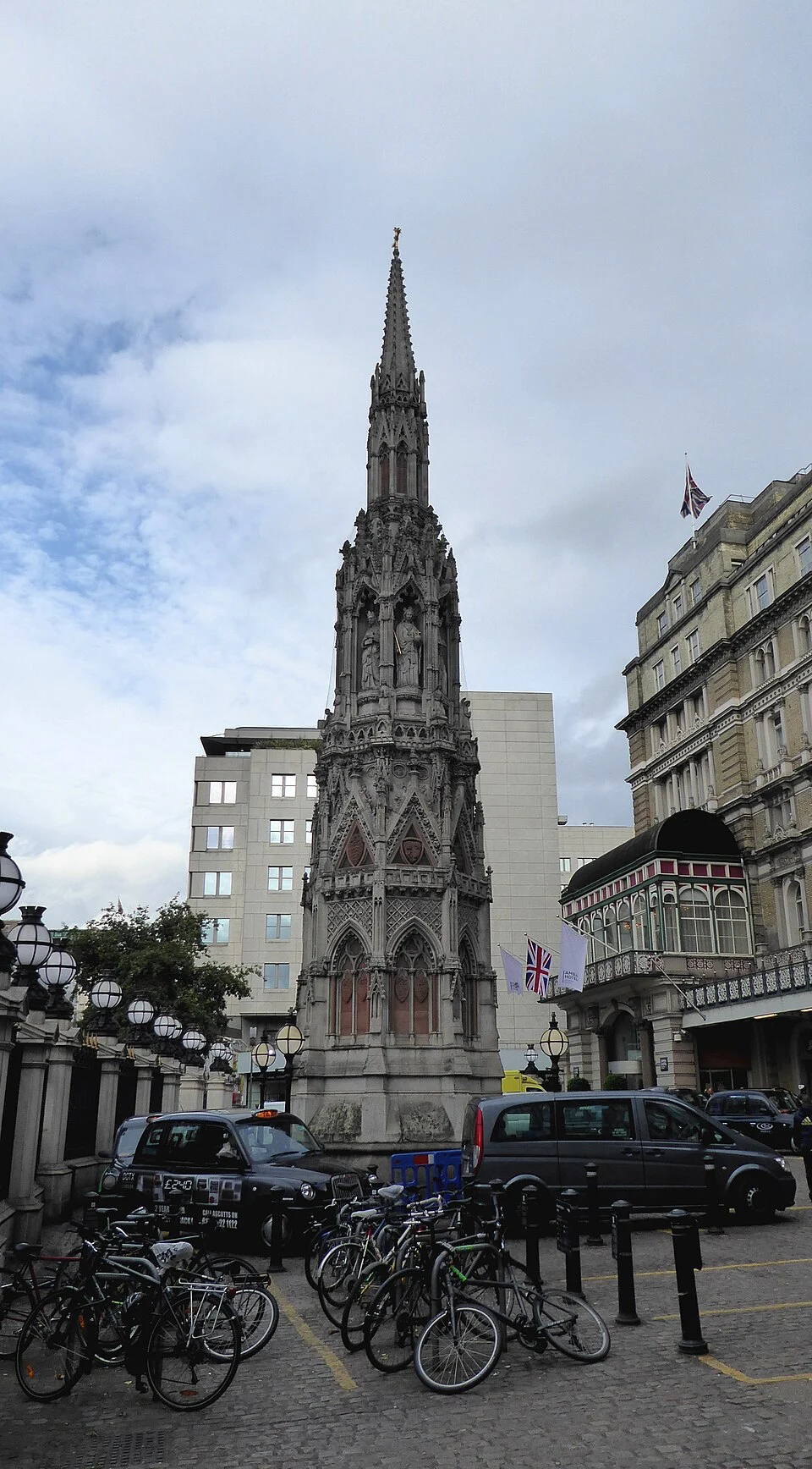
3. Follow a medieval king’s memorial to his wife — Charing Cross
One of London’s busiest place names conceals one of its most moving love stories.
Edward I married Eleanor of Castile in 1254. Like most medieval royal marriages, theirs began as a political arrangement, but it developed into a remarkably close partnership. They spent much of their lives travelling together and had at least fifteen children.
When Eleanor died near Lincoln in 1290, her body was carried slowly south for burial at Westminster Abbey. Afterwards, Edward commissioned twelve elaborate stone crosses marking the places where her funeral procession had stopped overnight.
The final one stood at Charing.
A few weeks after Eleanor’s death, Edward described her in a letter as the woman “whom in life we dearly cherished, and whom in death we cannot cease to love.”
The original Charing Cross was destroyed in the seventeenth century. The elaborate cross outside today’s Charing Cross station is Victorian and stands a little way from the medieval location.
But there’s another memorial underground. David Gentleman’s wonderful murals at Charing Cross station depict medieval craftsmen constructing the original Eleanor Cross.
Do it yourself: Find the cross outside the station, then head underground to see the murals. Afterwards, walk down Villiers Street to Gordon’s Wine Bar and find a candlelit table in the cellar. Medieval royal mourning followed by wine in a dimly lit basement makes for a surprisingly good date.
4. Discover London’s most complicated marriage — Greyfriars
Not every love story ends well.
Isabella of France arrived in England in 1308 to marry Edward II. Their marriage deteriorated spectacularly, not least because of Edward’s intense relationships with favourites including Piers Gaveston and Hugh Despenser.
Eventually Isabella returned to France, where she formed a relationship with the exiled English nobleman Roger Mortimer. In 1326 the pair invaded England. Edward’s regime collapsed, he was forced to abdicate, and he died at Berkeley Castle the following year.
Mortimer and Isabella effectively ruled England until their teenage son Edward III seized power in 1330 and had Mortimer executed.
But the strangest part of the story comes at the end.
When Isabella died in 1358, she was buried at the great Franciscan church of Greyfriars beside Newgate. Accounts record that she was buried wearing the mantle she had worn at her wedding to Edward fifty years earlier — with Edward’s embalmed heart buried with her.
It’s difficult to know quite what to call Isabella and Edward’s relationship by the end. Love story seems too simple. But being buried in your wedding clothes with the heart of the husband you helped overthrow is hard to beat as an image of the complications of marriage.
Do it yourself: Visit Christchurch Greyfriars Church Garden on Newgate Street. The medieval friary has disappeared, but a peaceful garden occupies part of its former site. Sit among the roses above the place where Isabella and several other medieval queens were buried. Grab your date tightly when Isabella’s ghost appears!
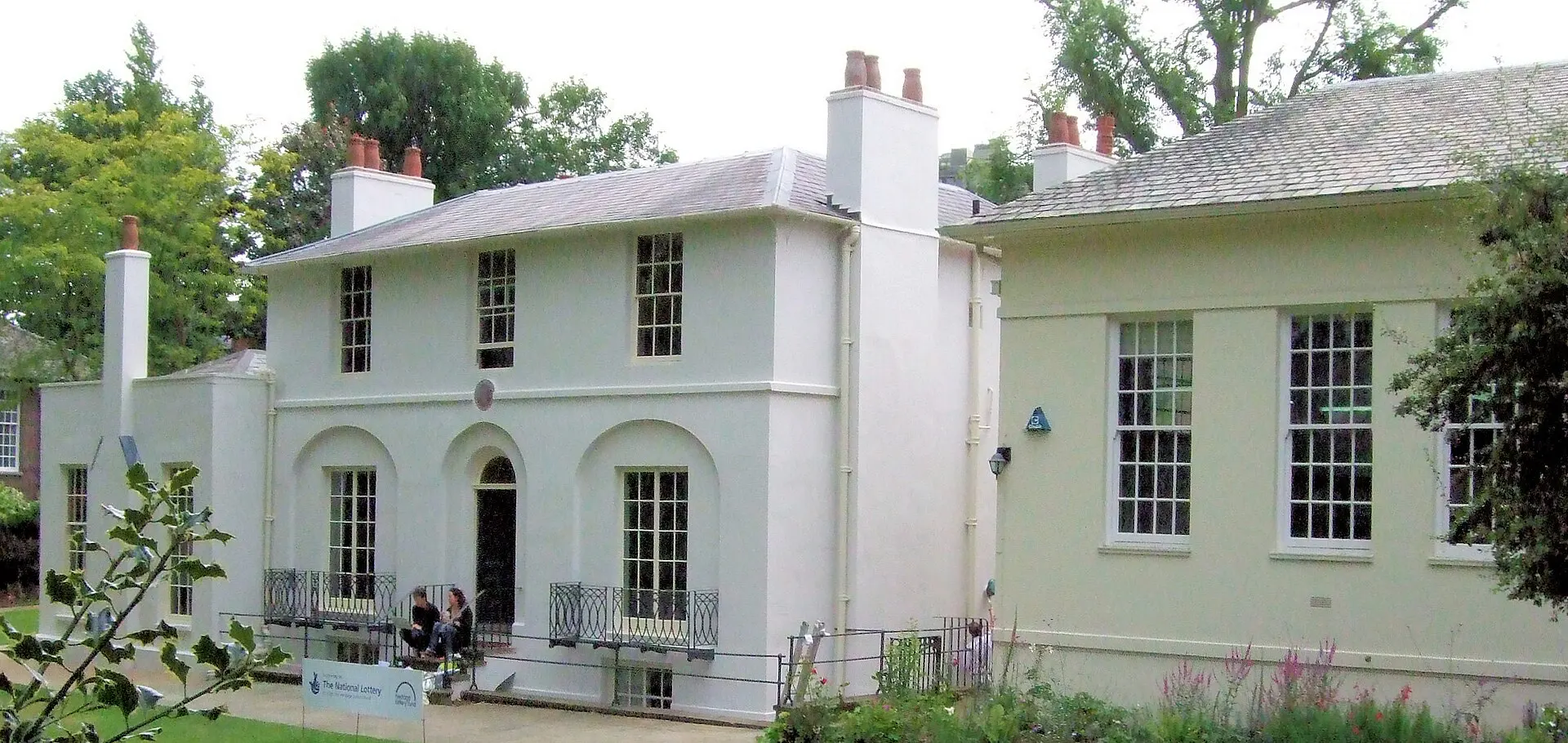
5. Fall in love with the poet next door — Keats House, Hampstead
In December 1818, the 23-year-old John Keats moved into Wentworth Place in Hampstead. Living next door was a young woman named Fanny Brawne.
They fell in love.
The relationship survives in Keats’s extraordinary letters to her — passionate, jealous and sometimes almost feverishly intense. “I love you ever and ever and without reserve,” he wrote in one.
But Keats was struggling financially, and then his health began to collapse. In early 1820 he suffered a pulmonary haemorrhage and was confined to the house with tuberculosis. He and Fanny were engaged, but marriage became impossible.
The particularly cruel thing was that Fanny was still incredibly close. She was living in the adjoining part of Wentworth Place, but Keats’s illness meant they had to stay separate from one another. One letter describes him sitting in the front parlour waiting simply to catch sight of her in the garden. In another, he warns her not to visit him that day because of the risk of infection.
And then comes perhaps the most heartbreaking line of all:
“When you pass’d my window home yesterday, I was fill’d with as much admiration as if I had then seen you for the first time.”
Later that year Keats left Hampstead for Italy, hoping the warmer climate might save him. He never returned. He died in Rome in February 1821, aged just 25. Fanny remained close to his family, and the correspondence associated with their relationship survives at the house today.
Do it yourself: Visit Keats House and its garden, where their relationship actually unfolded, then walk out onto Hampstead Heath. For the full Romantic experience, write each other an overwrought letter.
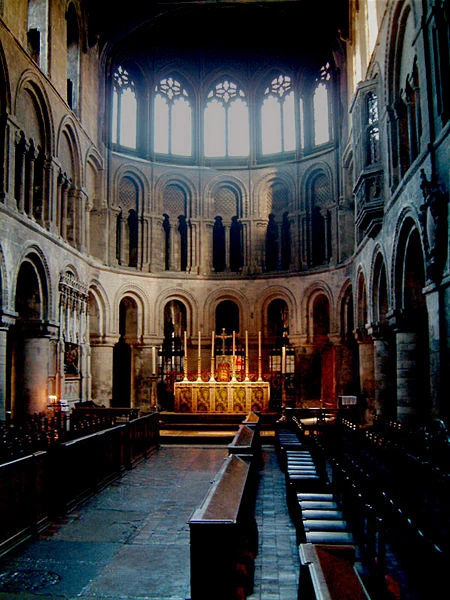
6. Attend the fourth wedding — St Bartholomew the Great
London’s oldest surviving parish church has witnessed almost nine centuries of marriages. But its most famous wedding may be one that never actually happened.
St Bartholomew the Great in Smithfield was used as the church for the fourth wedding in Four Weddings and a Funeral, the 1994 film that turned Hugh Grant into an international shorthand for the romantically incompetent Englishman.
It’s here that Charles arrives to watch Carrie marry Hamish — only for the wedding to be dramatically abandoned.
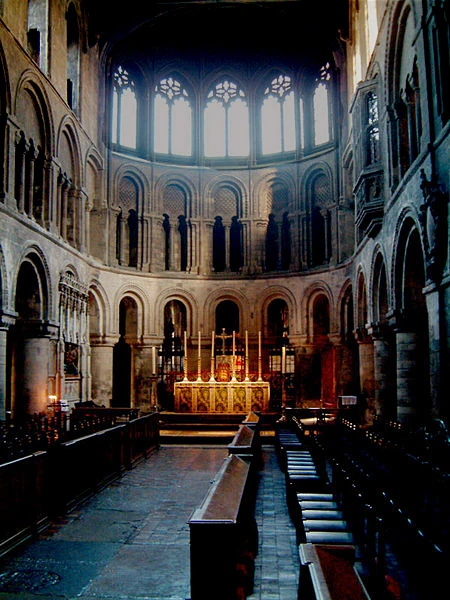
The church itself predates the film by rather a long way. Founded in 1123, its extraordinary Norman interior makes it one of the most atmospheric buildings in London.
Do it yourself: Visit St Bartholomew the Great to see its extraordinary Norman interior, or better still, attend one of the concerts regularly held in the church. Nine centuries after its foundation, it’s difficult to imagine a more atmospheric place to hear live music.
7. Kiss like Bridget Jones — Royal Exchange
Finally, London’s great modern heroine of being single.
At the end of Bridget Jones’s Diary, Bridget discovers that Mark Darcy has read her diary and apparently fled her flat. She runs after him into the snow wearing remarkably little clothing, eventually finding him outside a shop.
The scene looks as though it takes place conveniently around the corner from Bridget’s Borough Market flat.
It doesn’t.
It was filmed round the back of the Royal Exchange, on the other side of the Thames and well over a mile away. Bridget has apparently performed one of the great feats of romantic endurance running in modern cinema.
Here she finds Darcy buying her a new diary, and the two finally kiss in the snow.
Do it yourself: Find the spot at Royal Exchange Buildings and then explore the Royal Exchange itself. If you’re feeling ambitious, start at Bridget’s flat by Borough Market and retrace her implausible journey across the river. Shoes and trousers are strongly recommended.
Royal favourites, mistresses, marriages, poetry and romantic comedies: people have been finding ways to fall in love in London for centuries.
And there are worse ways of meeting somebody than exploring some of those stories together.
On Saturday 29 August, we’re leading a singles walking tour through London with DateWildly — the singles events platform where you meet first, match later. We’ll explore the city and its history, with plenty of opportunities to meet other single Londoners along the way.
Related stories
Culture • History • 10 min. read
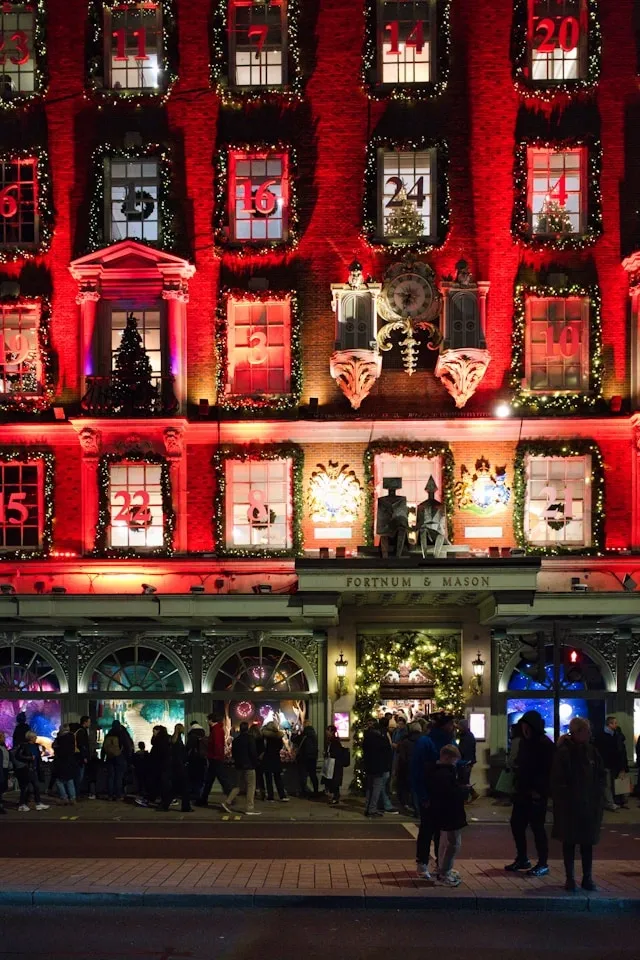
A Very London Christmas: The Stories Behind the Traditions
London’s Christmas sparkle is built on centuries of stories — from the Norwegian tree in Trafalgar Square to Victorian crackers, lavish Fortnum & Mason windows, and Dickens shaping "A Christmas Carol" on foggy streets. Beneath the lights and glitter lies a city whose festive traditions grew from history, quirks, and a little magic. Read on to discover the tales behind London’s holiday spirit.
Culture • Practical Tips • History • Tours • 5 min. read
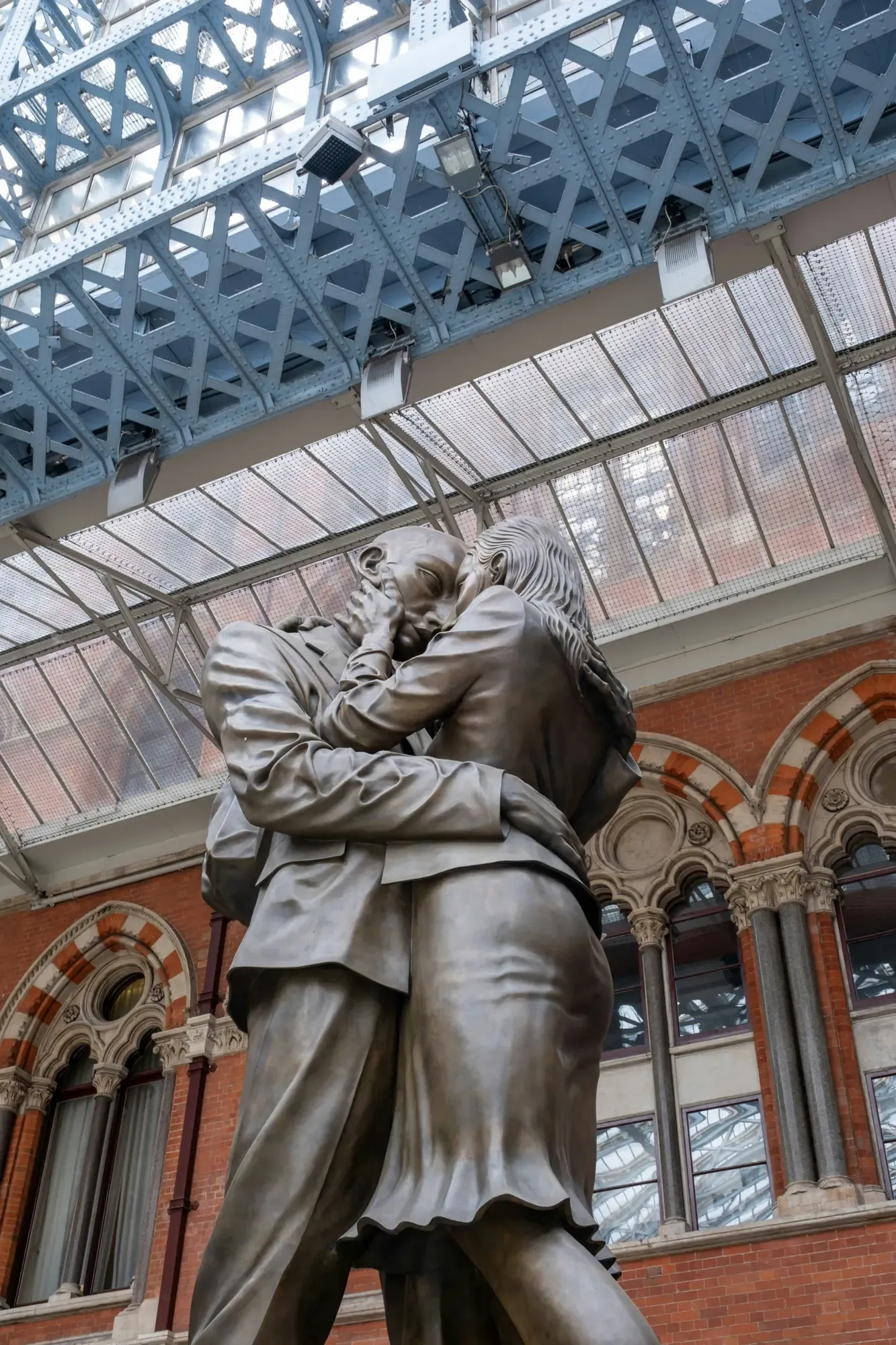
12 Romantic Places in London to Explore Together - Walkative x DateWildly
To celebrate our inaugural Singles Walking Tour in collaboration with DateWildly (the singles events platform where you meet first, match later!), we’ve rounded up twelve of our favourite romantic places in London. Whether you’re joining us in the hope of meeting someone special or simply looking for inspiration for your next date, these hidden gardens, riverside walks and atmospheric corners prove that London is one of Europe’s most romantic cities.
Culture • Practical Tips • History • Food • 5 min. read
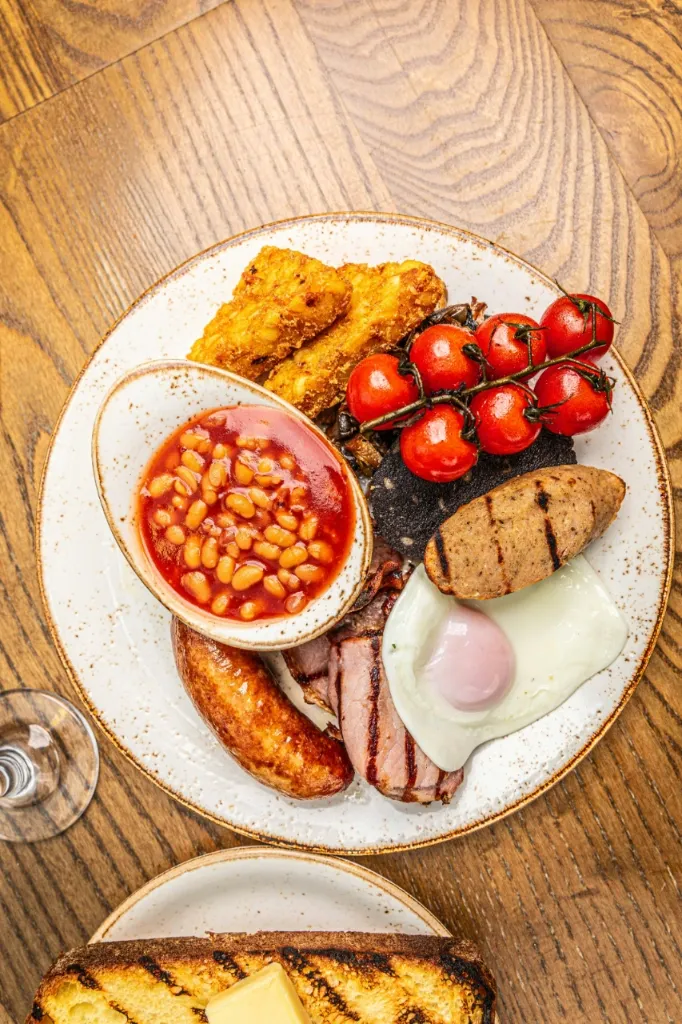
A Guide to London's Classic Full English Breakfast
Learn what goes into a traditional full English breakfast and explore its history. We also share a few of London's classic cafes where you can try an authentic fry-up yourself.
Practical Tips • 3 min. read
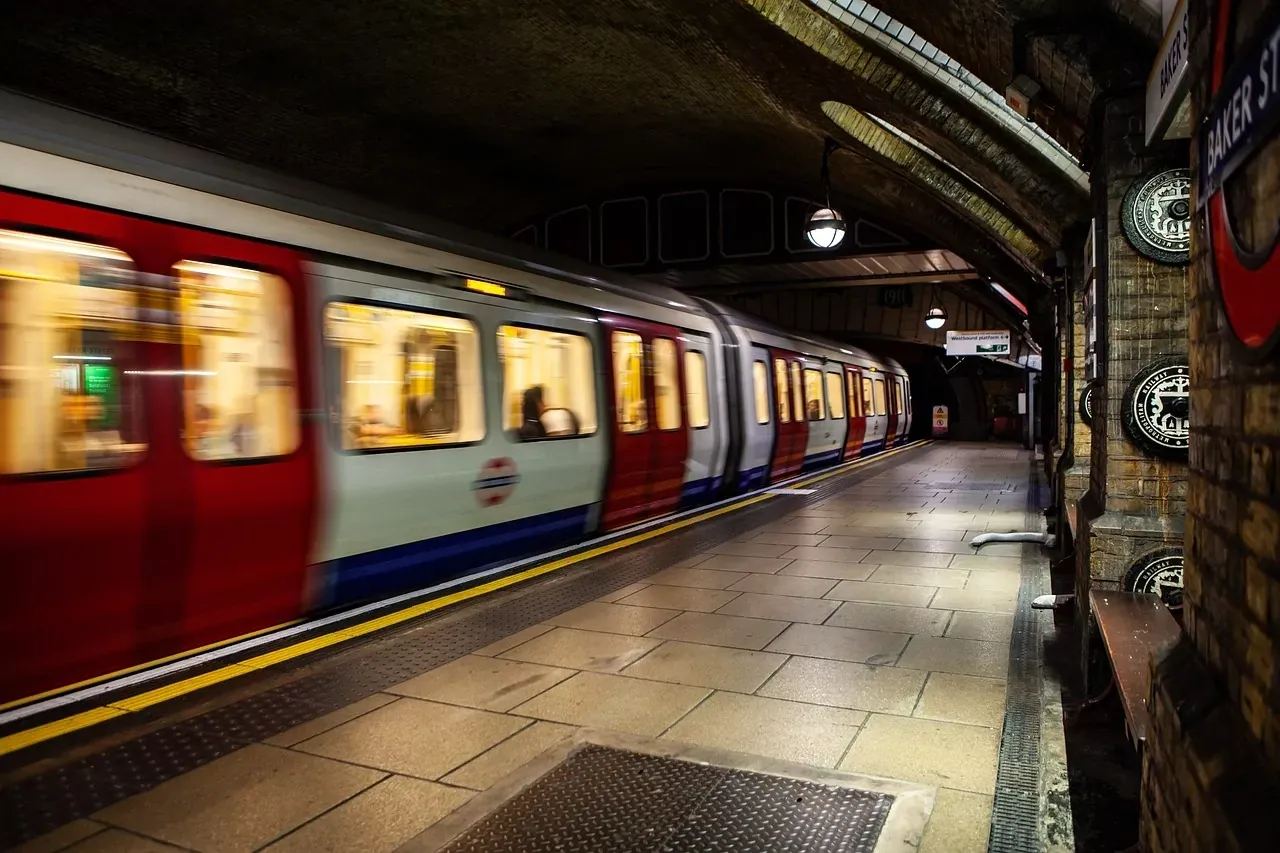
How to get around in London: Tips and Tricks
Get around London cheaply. Use the Tube with an Oyster card, ride a red bus, or hire a Santander Cycle. We cover costs, routes, and off-peak travel.
Culture • History • 7 min. read
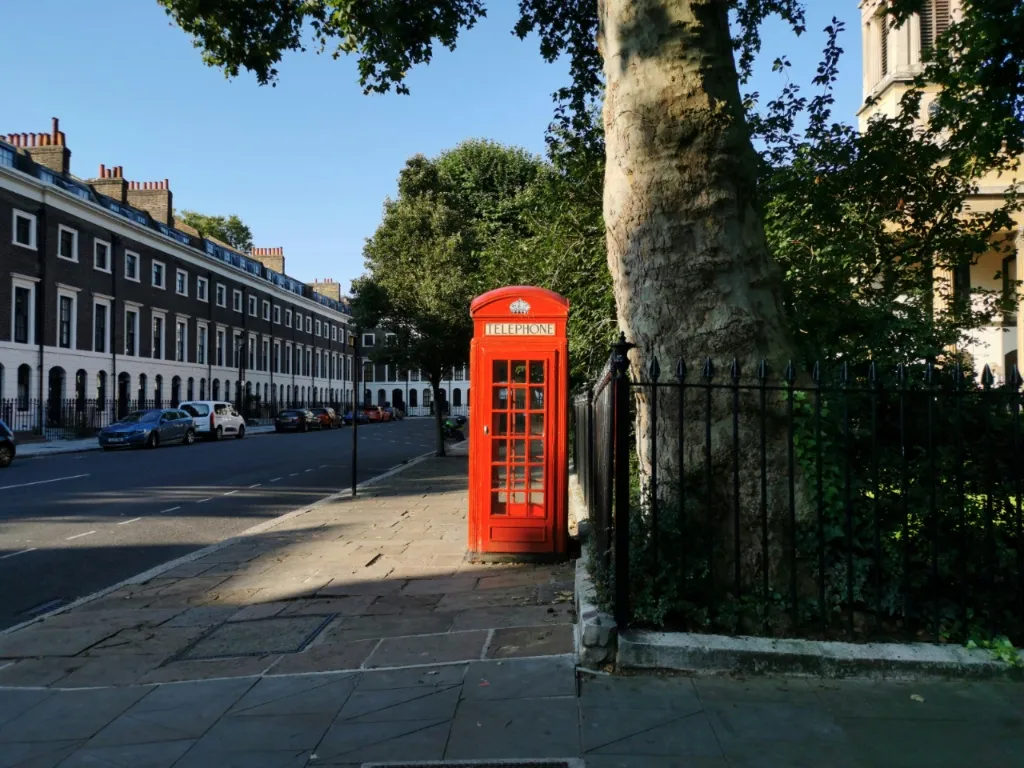
The Icons of London: From Red Buses to Phone Boxes
From postboxes to double-deckers, discover the history behind London’s most iconic everyday sights.