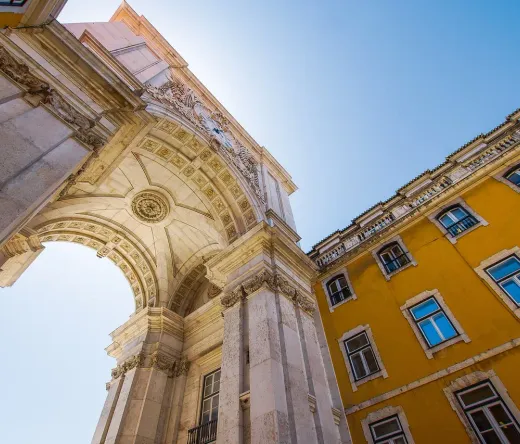
Things to Do in Lisbon: Alfama, Historic Hills, Trams, Belém and Sintra
Alfama’s stairways, Tram 28E, and the train west to Belém all shape how a first visit to Lisbon feels on the ground. This guide keeps the city practical: where to wander, when to slow down, and how to balance classic sights with places like Graça, LX Factory, and Sintra.
Culture • Practical Tips • Food • 9 min. read
Last edited:
We love Lisbon, and we hope you do too. It is the kind of city that rewards curiosity, patience, and a willingness to wander.
Lisbon is best enjoyed when you give yourself time to take it in. Its charm is not only in famous monuments or postcard viewpoints, but in the mix of steep streets, tiled façades, old trams, neighbourhood cafés, and soft river light. The city is beautiful, lively, and a little hilly, so a bit of planning—and a relaxed pace—will help you enjoy it even more.
For a first visit, it often helps to group your days by area: Baixa, Chiado, Alfama, and Graça work well together, while Belém and Alcântara are better saved for a separate westward outing. A reusable transit card or contactless payment can make metro, tram, bus, and train journeys easier, and it is wise to leave extra time for queues at major sights and crowded viewpoints.
Think of this guide as both a gentle introduction to Lisbon and a practical list of must-do activities for first-time visitors, designed to help you understand the city’s rhythm while choosing the experiences most worth building into your trip.
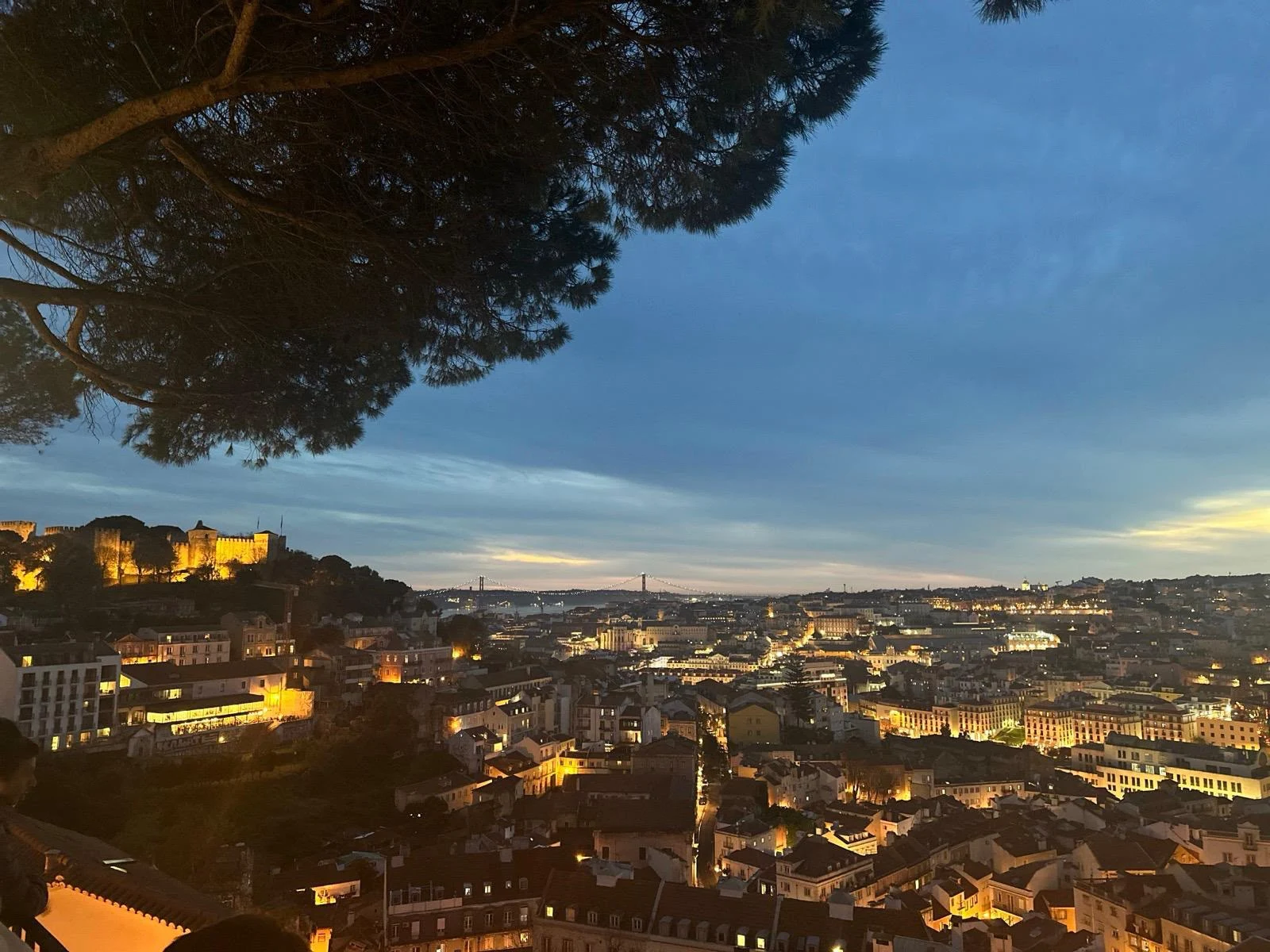
Wander Through Alfama and Lisbon’s Historic Hills
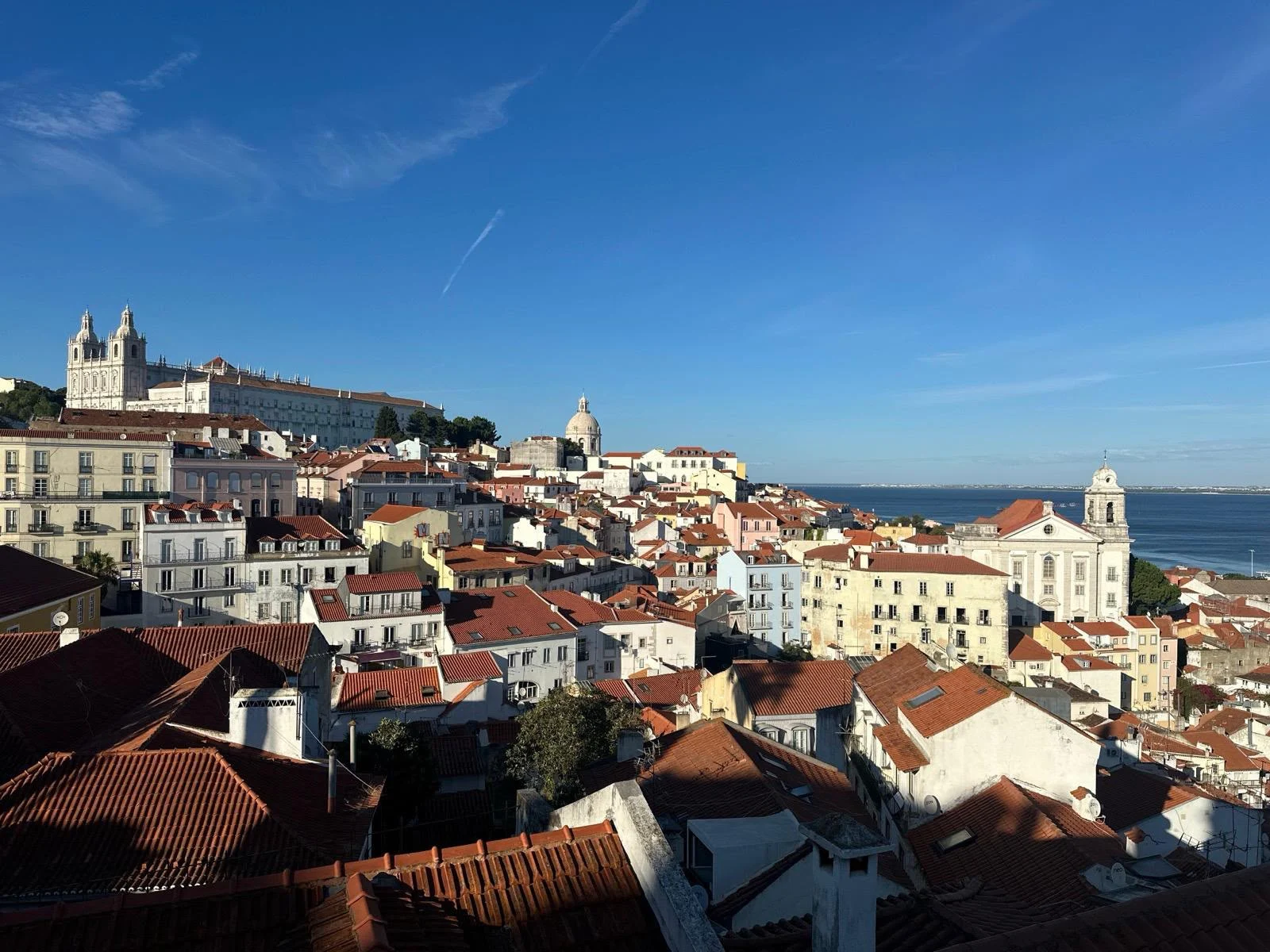
Alfama is one of the loveliest areas in Lisbon to explore without a strict plan. Its narrow alleys, stairways, small squares, and viewpoints unfold slowly as you wander. You might pass tiled houses, laundry hanging from balconies, and sudden views over red rooftops toward the Tagus River. Getting a little lost here can be part of the fun, as long as you leave yourself enough time and energy.
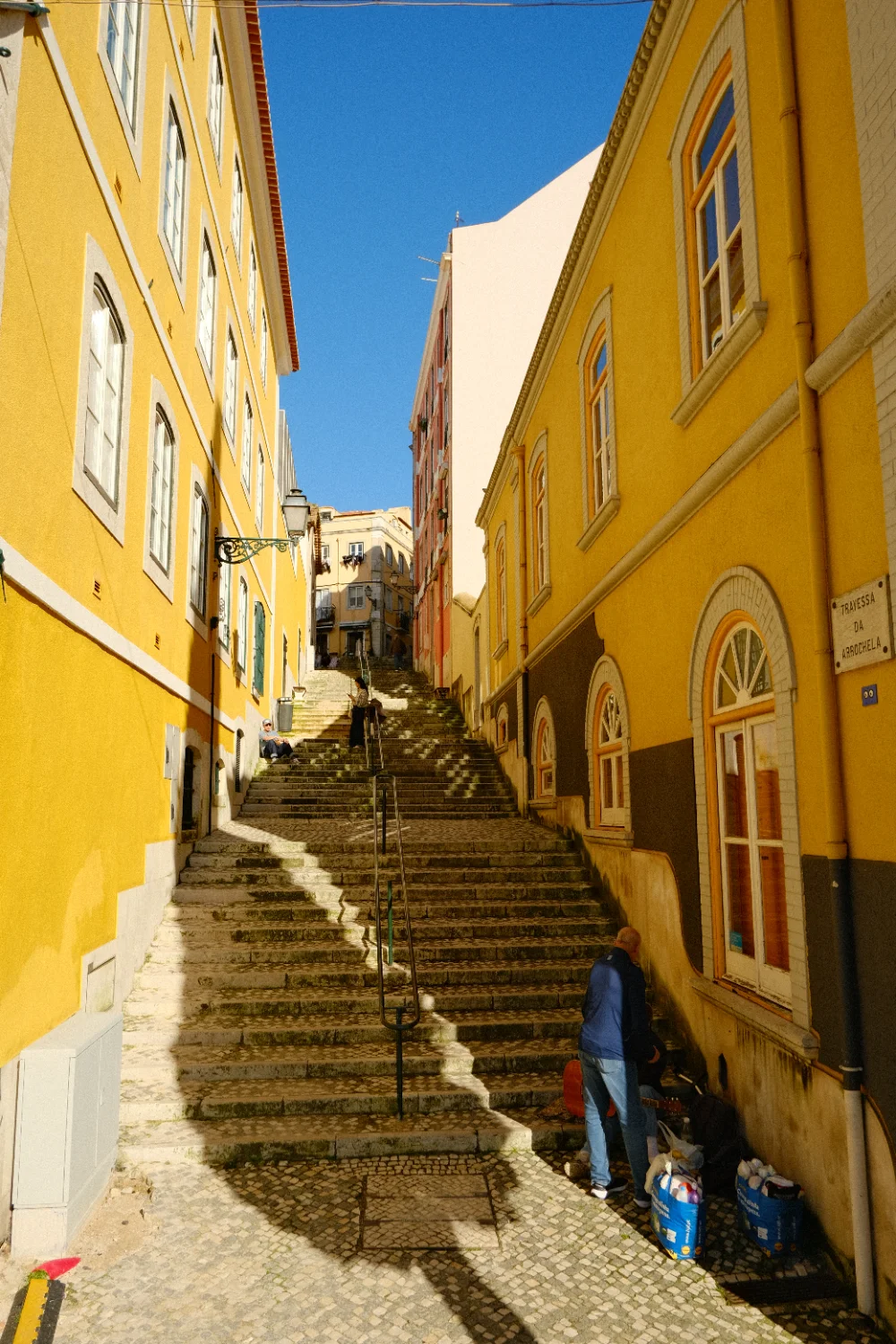
Lisbon’s hills are very real, even if they do make the city look wonderfully scenic. Comfortable shoes are a good idea, especially on cobblestones that can get slippery when wet. Take your time, carry water in warm weather, and do not feel you have to climb every staircase you see. The best climbs are often the ones that end at a viewpoint, a quiet street, or a spot where you can sit for a few minutes and enjoy the city.
Good places to aim for include Miradouro de Santa Luzia, Miradouro das Portas do Sol, Lisbon Cathedral, and the lanes around São Jorge Castle, even if you do not go inside the castle itself. If you are nearby on a Tuesday or Saturday, the Feira da Ladra flea market near Campo de Santa Clara can add an interesting local detour.

Ride a Classic Lisbon Tram Without Missing the City Around You
Lisbon’s old trams are a wonderful part of the city’s character, but they are also regular public transport. Some routes can get crowded, especially at popular times, so it helps to think of the ride as one enjoyable moment in your day rather than the whole attraction. If the tram is packed, you can always wait, walk part of the route, or hop on for a shorter section.

A tram ride is even better when you keep an eye on the city outside: the steep streets, tight corners, tiled buildings, and everyday stops along the way. One nice idea is to take a tram toward Graça, a neighbourhood that often feels a little calmer than the busiest central viewpoints. It has pleasant bars, wide views, and a lovely balance between local life and visitor interest.
Tram 28E is the famous route through areas such as Graça, Alfama, Baixa, and Estrela, while Tram 12E can be a shorter central loop if you want a smaller taste of the experience. Going early in the morning or later in the day usually gives you a better chance of a calmer ride, and keeping bags secure is sensible on crowded services.
Spend a Day Between Belém and LX Factory
Belém and LX Factory have very different personalities, but they can work nicely together in one easygoing day. Belém is known for riverside monuments, museums, gardens, and its custard tart tradition. It is a good area for slower sightseeing, especially if you want space, river views, and major historic landmarks without constantly climbing hills.
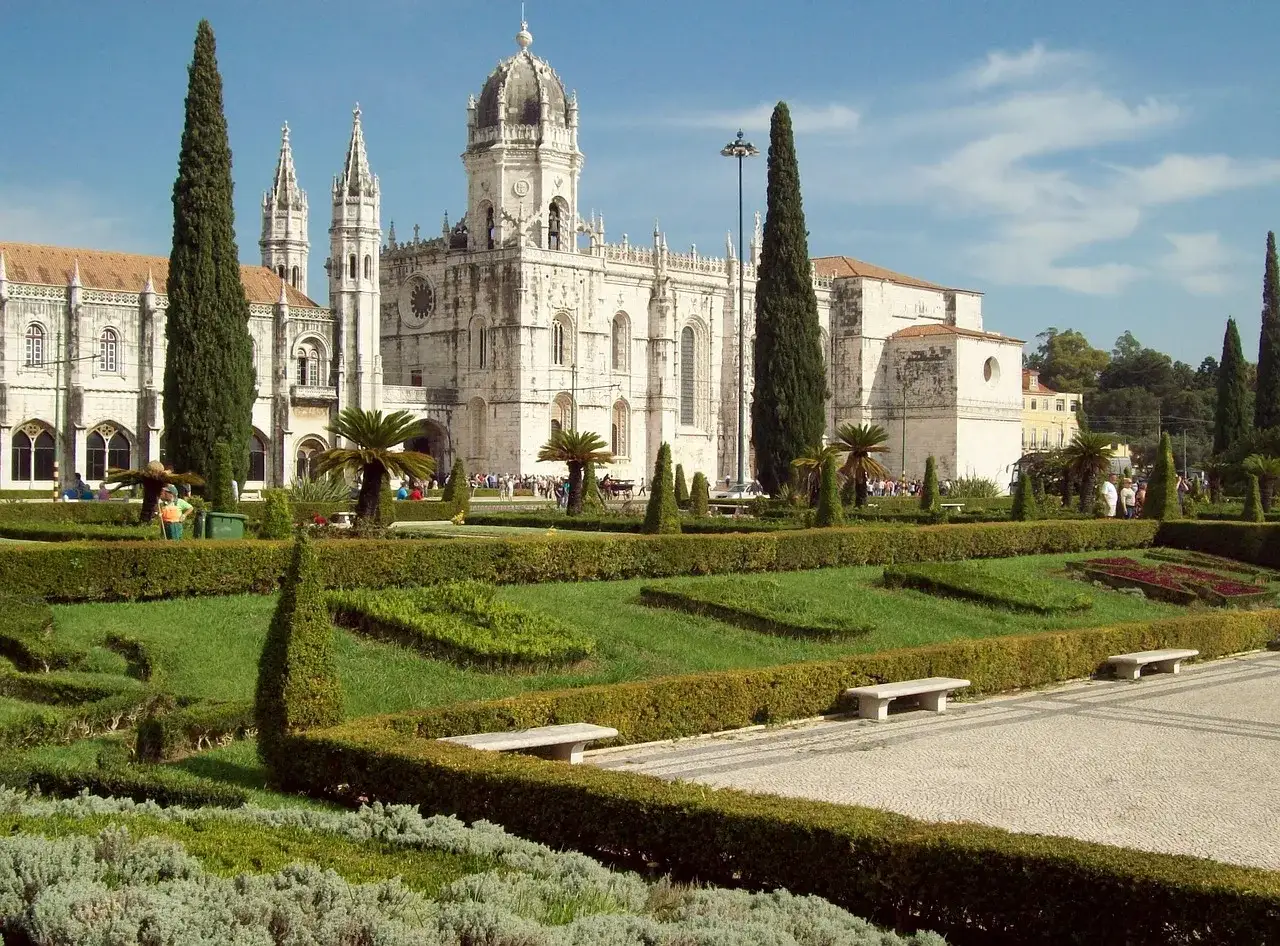
LX Factory has a different feel: creative shops, casual food spots, street art, and an industrial setting near the bridge. The train is usually the easiest way to reach this side of the city, though it is worth checking routes and schedules on the day. If you start in central Lisbon, you can also pass through Baixa and the riverfront before heading west.
In Belém, many visitors focus on Jerónimos Monastery, the Belém Tower, the Monument to the Discoveries, the riverfront promenade, and a stop at Pastéis de Belém. To combine the area with LX Factory, you can use the Cascais-line train from Cais do Sodré to Belém or Alcântara-Mar, or take tram 15E when traffic and crowds are manageable.

Take a Day Trip to Sintra’s Palaces and Forested Hills
Sintra is one of the most popular day trips from Lisbon, thanks to its palaces, gardens, and cooler, greener setting. It feels quite different from the capital: more wooded, more romantic in atmosphere, and shaped by estates and hilltop views rather than dense city streets. For many travellers, it is well worth giving it a full day instead of trying to squeeze it into a quick half-day.
A little planning makes Sintra much more enjoyable, especially during busy periods. Transport, ticket times, and the distance between sights can all affect how much you comfortably see. It is usually better to choose a realistic number of places than to pack the day too tightly. Opening hours, ticket rules, and transport options can change, so check official information before you go.
The train from Rossio station to Sintra is a common route and usually takes around 40 minutes, after which local buses or taxis connect the station with hilltop sights. Pena Palace, the Moorish Castle, Quinta da Regaleira, and Monserrate Palace are among the main options, but choosing two or three is often more enjoyable than trying to see them all in one day.
Eat and Drink Like Lisbon Is More Than Pastel de Nata
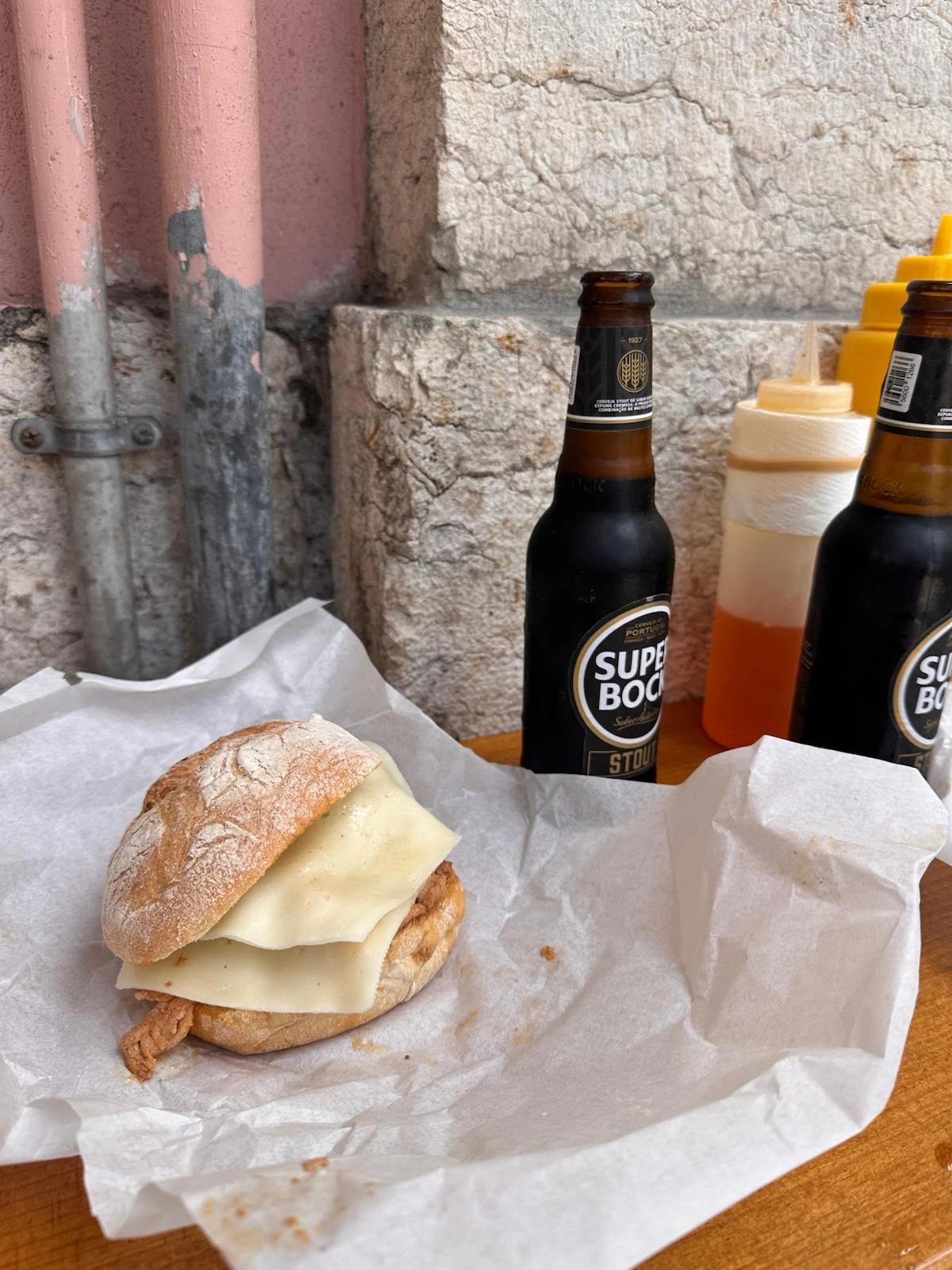
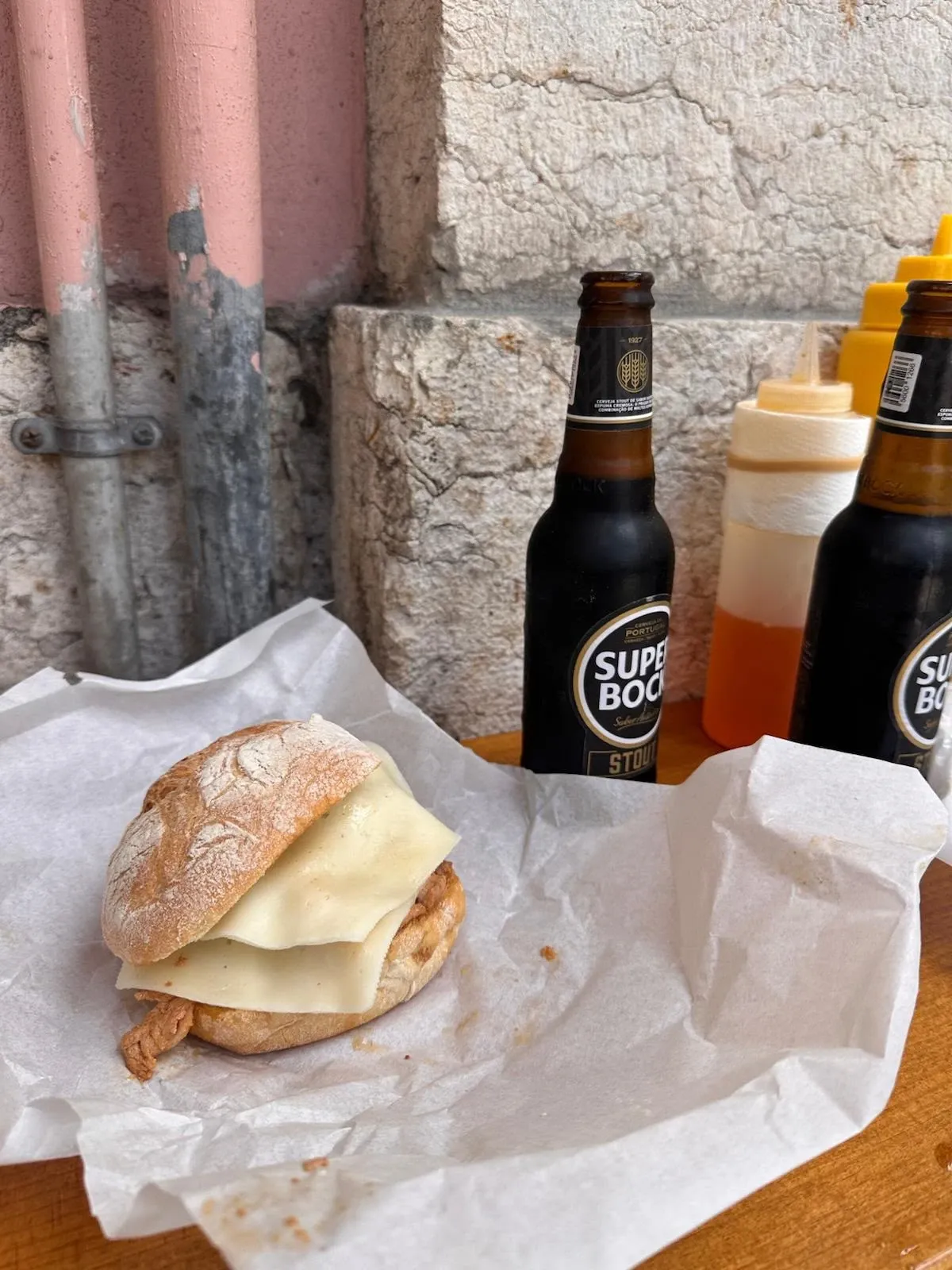
Pastel de nata is famous for a reason, but Lisbon’s food culture has plenty more to offer. Look for simple local cafés and tascas where meals are straightforward, filling, and not overly staged for visitors. A bifana, the Portuguese pork sandwich, is a great example of something quick, satisfying, and closely tied to everyday eating.
Grilled sardines are another Lisbon classic, especially when they are fresh, seasonal, and cooked simply. Canned fish can be interesting too, but it is a different experience from eating sardines hot off the grill. For a small local drink, try ginjinha, a sour cherry liqueur served in traditional bars and kiosks around the city.
Other useful dishes to recognize include bacalhau à brás, polvo à lagareiro, caldo verde, pica-pau, and prego sandwiches, depending on whether you want a full meal or something quick. For sweets beyond custard tarts, look for queijadas, travesseiros from Sintra, and arroz doce, and consider pairing a meal with vinho verde, local beer, or a small glass of Portuguese wine.
Discover Azulejos, Flea Markets, and Historic Shops
Lisbon’s smaller details often appear when you stop chasing the next viewpoint. Azulejos, the decorative tiles found on many façades and interiors, are part of the city’s visual identity. Some are carefully preserved, others are weathered, and many are simply part of everyday streetscapes. Taking time to notice them can change the way you see the city.
Flea markets and historic shops offer another relaxed way to explore. Instead of focusing only on monuments, you can browse old objects, traditional storefronts, bookshops, haberdasheries, or family-run businesses that still shape neighbourhood life. Opening hours, availability, and market days can vary, so it is worth checking details before setting out, especially if there is a particular place you really want to visit.
For a deeper look at tilework, the National Tile Museum is a strong choice, while everyday examples can be spotted in neighbourhoods such as Alfama, Mouraria, Príncipe Real, and Intendente. Historic shopping streets and arcades around Baixa, Chiado, and Rua Garrett are also good areas for old cafés, glove shops, bookstores, and traditional Portuguese goods.
Lisbon is easiest to enjoy when you balance plans with plenty of breathing room. Walk its hills, ride a tram if it suits your route, leave time for food, and plan bigger outings like Belém or Sintra with care. The city does not need to be rushed; much of its character appears in the pauses between the major sights.
A practical final plan could be three or four days in the city, with one day for Alfama and Graça, one for Baixa and Chiado, one for Belém and LX Factory, and one optional day for Sintra. If you have less time, choose fewer neighbourhoods and enjoy them properly rather than crossing the city repeatedly.
However you choose to spend your time, we hope Lisbon gives you the same warm memories it has given us. Have a wonderful trip, and enjoy every view, tram ride, tiled street, pastel de nata and everything else along the way!

Written by
Dara Gilroy
Dara is a history and politics graduate who has been guiding with Walkative! since 2022. After living in Berlin and London, he settled in Barcelona, where he leads tours exploring the city's history, both conventional and unconventional. He has also helped launch tours in Madrid, Lisbon, and Athens.
Related stories
Food • 5 min. read
A Traveler's Guide to Lisbon's Authentic Food Scene
Explore the culinary traditions of Lisbon. This guide covers essential local snacks, iconic pastries, regional wines, and practical tips for dining authentically in the Portuguese capital.

Practical Tips • 5 min. read
An Introduction to Lisbon's Seven Historic Hills and Miradouros
Finding your bearings in the Portuguese capital relies heavily on its dedicated observation terraces, known locally as miradouros. From the sweeping elevation of Senhora do Monte to the quieter, pine-shaded pathways of Torel Garden, these public spaces are essential for understanding the city layout. This overview breaks down Lisbon and its seven ancient hills, detailing how to move between the historic neighborhoods without exhausting yourself on the steep cobblestone streets.

Culture • History • 4 min. read
Five Standout Lisbon Museums: Where to Find Art, History, and Gardens
The 1755 earthquake left the Carmo Convent with a collapsed roof and striking open-air Gothic arches, creating one of the most distinctly illuminated spaces in Lisbon. Beyond these dramatic ruins, the Portuguese capital holds vast collections ranging from centuries-old azulejo tiles to royal diamonds secured in modern vaults. Selecting which cultural space to visit often depends on whether you prefer wandering shaded gardens, studying architectural history, or interacting with seismic simulators.

Practical Tips • 5 min. read
Jardim do Torel and Other Quiet Parks for Relaxing in Lisbon
Riding the 19th-century Ascensor do Lavra up from the busy streets below leads straight to Jardim do Torel, a former private estate turned quiet public park. It is just one of several green retreats scattered across the Portuguese capital, alongside the shaded modernist paths of the Gulbenkian and the breezy waterfront of Almada. Knowing where to find these quieter courtyards and terraces changes how you navigate the city.
Food • 5 min. read
What is the Portuguese Bifana?
Long before global fast-food chains arrived, Portugal relied on its own standard for a quick, hot meal. Served across tavern counters from morning until late at night, a simple pork sandwich became a daily habit for millions. Whether eaten on a lunch break or after hours in Lisbon, the bifana remains a cornerstone of local street culture.