
Madrid on the Silver Screen: An Overview of Filming Locations
Metro-Goldwyn-Mayer famously transformed Madrid's Hortaleza district into a snow-covered Moscow for the 1965 production of Doctor Zhivago. Decades later, directors still block off local streets for high-stakes car chases and international espionage plots. From the brutalist concrete of Torres Blancas to the monumental Plaza de Cibeles, these familiar avenues hold an extensive cinematic history.
Culture • History • 5 min. read
Madrid is often celebrated for its world-class museums and deep royal history, but its streets have also served a completely different purpose: acting as a versatile backdrop for major international film productions. For decades, directors have been drawn to the Spanish capital's diverse architecture, which allows it to authentically portray both itself and other global destinations on the silver screen.
Madrid on the Silver Screen: An Overview

When watching major Hollywood movies, many viewers are surprised to discover that the scenes unfolding before them were actually filmed in Madrid. From mid-century cinematic epics to modern, high-stakes thrillers, the city has hosted massive film crews and recognizable foreign actors.
Rather than relying solely on soundstages, productions have continually utilized Madrid’s authentic streetscapes, historic plazas, and monumental buildings. This has cemented the capital's reputation as a practical and dynamic filming location capable of accommodating large-scale international projects.
Classic Cinema: Recreating Moscow in Doctor Zhivago
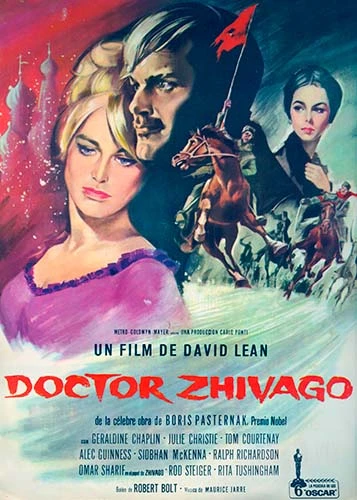
For the 1965 classic Doctor Zhivago, Metro-Goldwyn-Mayer chose 1960s Madrid as a primary location alongside other Spanish provinces like Salamanca and Soria. The production famously utilized Madrid's old Delicias train station to capture crucial atmospheric scenes.
To replicate the snowy, historic streets of Moscow, filmmakers embarked on a massive construction project within the city limits. They built a sprawling 20,000-square-meter studio set in the Canillas neighborhood of the Hortaleza district. This impressive recreation played a key role in the film's visual success, ultimately helping the production win five Academy Awards.
Action and Thrills: The Bourne Ultimatum and The Cold Light of Day
In The Bourne Ultimatum (2007), Madrid serves a dual purpose. The Café del Principe near Plaza Mayor stands in for Plaza de Canaletas to portray a scene supposedly taking place in Turin. However, the film also highlights real Madrid locations, including Atocha Station, Calle de los Jardines, Paseo de la Castellana, the Viaduct, and an aerial view of the Plaza de las Ventas bullring.
Similarly, The Cold Light of Day (2012) turns the capital into an action playground. The film utilizes a wide array of districts, from Salamanca to Arganzuela. Viewers can easily spot Puerta del Sol, the Rastro flea market, the Moncloa Arch, and the Royal Basilica of San Francisco el Grande as the high-stakes narrative moves rapidly across the city.
Espionage and Heists: James Bond, Way Down, and The List
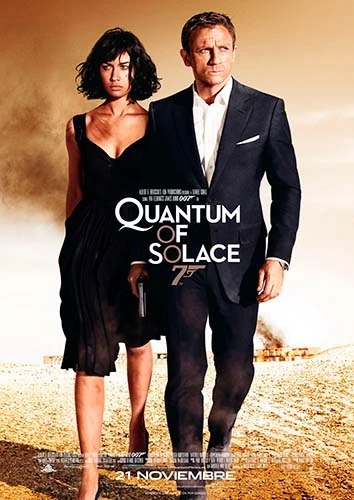
Monumental Madrid often shines in espionage and heist plots. In the James Bond film Quantum of Solace (2008), the city acts as a secondary location, yet the grandeur of the Royal Palace of Madrid and the Royal Opera House remain unmistakable on screen.
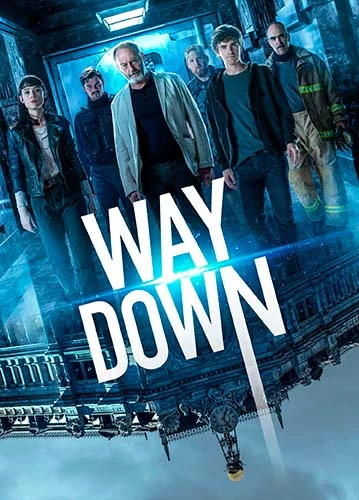
The 2021 thriller Way Down brought filming directly to Plaza de Cibeles, using 1,500 extras to recreate Spain's 2010 World Cup victory. It heavily features the Buenavista Palace, the Metropolis Building, and the Cibeles Palace. Furthermore, The List (2008) prominently features Plaza Mayor, the Cervantes Institute, and Paseo del Prado 2—home to the Bank of Spain—balancing Madrid's historic streets against scenes set in New York.
Madrid as a Stand-In City: Terminator and The Limits of Control
Directors frequently use Madrid's diverse neighborhoods to represent entirely different parts of the world. For Terminator: Dark Fate (2019), while many sets were built in Hungary, Madrid’s Lavapiés and Pueblo Nuevo (Ciudad Lineal) neighborhoods successfully stood in for the streets of Mexico City, alongside industrial scenes filmed in Valdemoro.
Conversely, The Limits of Control (2009) embraces Madrid's distinct mid-century character. The film prominently features the brutalist Torres Blancas building on Avenida de América as the protagonist's apartment, and utilizes authentic local spots like the bustling Plaza del 2 de Mayo and a restaurant terrace near Tribunal.
How to Explore Madrid's Filming Locations on Foot
For visitors looking to trace the steps of these international productions, walking is the most practical approach. The dense historic center is highly walkable, and a stroll down Calle Mayor and Calle Cordón reveals the architectural backdrops used in films like The Cold Light of Day.
To get a comprehensive overview, joining a guided walking tour helps you orient yourself among the city’s cinematic landmarks and real-world history. If you have a specific movie itinerary in mind—whether it is finding the exact streets of Lavapiés from Terminator or the Bank of Spain from Way Down—booking a Madrid Private Custom Tour allows you to tailor the route to your exact cinematic interests at your own pace.
Whether it is doubling for distant capitals or proudly displaying its own grand avenues, Madrid has quietly built a fascinating cinematic legacy. Keep an eye on the buildings and plazas as you navigate the city; you might just recognize the setting of a famous Hollywood scene hiding in plain sight.
Written by
Duarte Azevedo
Duarte is originally from Lisbon and has been guiding for about a decade. After four years in Berlin, he moved to Madrid, where he has been leading tours with Walkative since 2024. He specializes in 20th-century history and enjoys sharing his passion for the city's art, culture, and social energy.
Related stories
Practical Tips • History • 5 min. read
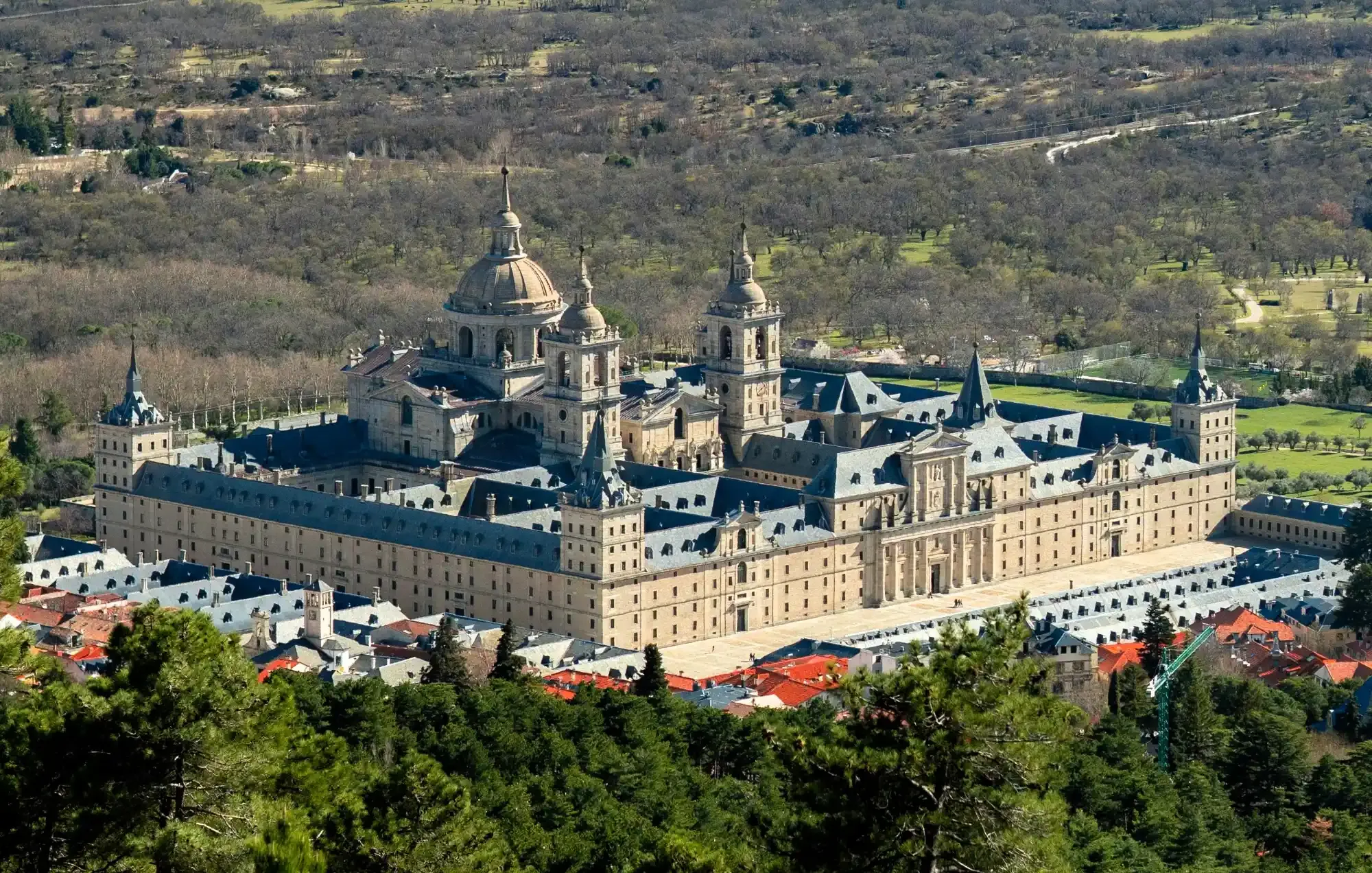
A Guide to the Historic Towns and Villages Around Madrid
Discover peaceful day trip options outside the capital. Explore Madrid's surrounding historic towns, featuring royal palaces, medieval fortresses, and unique village architecture.
Practical Tips • History • 5 min. read
Best Parks and Places to Relax in Madrid: A Local’s Guide
Discover Madrid’s best parks and calm spots to unwind, from grand gardens to quiet corners, with practical local tips for a relaxed break.
Culture • History • 5 min. read
A Guide to Madrid’s Museums: Art, History, and Royal Splendor
Explore Madrid’s top museums: Prado’s Las Meninas, Reina Sofía’s Guernica, Archaeological Museum mosaics, plus Cerralbo and Royal Palace.
Culture • Practical Tips • Food • 4 min. read
A Guide to Madrid's Authentic Neighborhood Food Markets
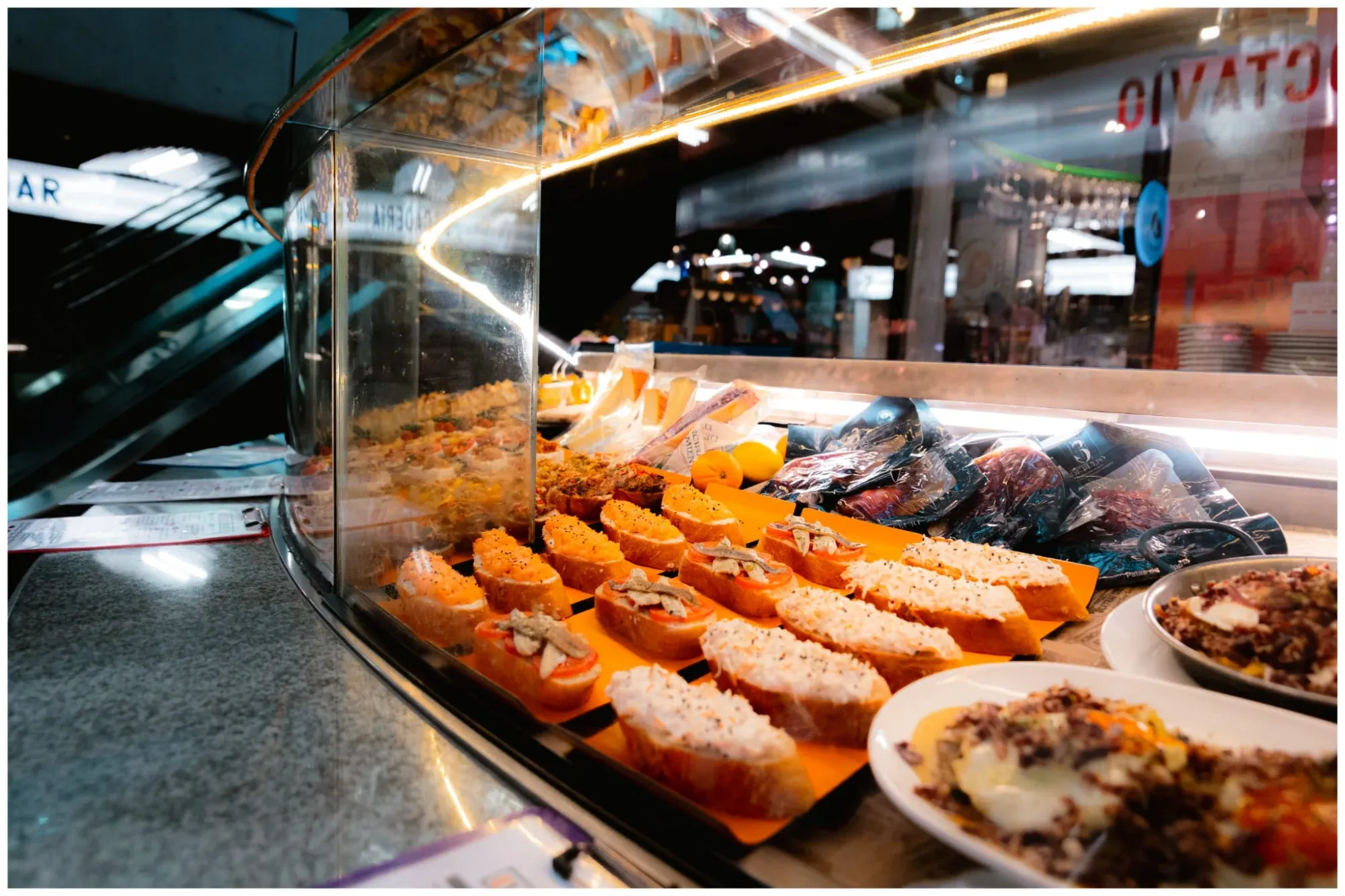
Behind the brick facades of Chamberí and the steep streets of Lavapiés, residents gather over small plates of tortilla and glasses of draft vermouth. The traditional neighborhood market remains a fixture of Spanish urban life, serving equally as a place to buy weekly groceries and meet friends. Navigating these working food halls provides a direct view into how people in Madrid actually eat, trading polished aesthetics for genuine community spaces.
Practical Tips • History • 3 min. read
La Latina: A Guide to Madrid's Medieval Neighborhood
Wander the winding medieval streets of La Latina. From Sunday’s El Rastro market to evening tapas on Cava Baja, experience the authentic soul of Madrid.