Understanding Fado: The Traditional Sound of Lisbon
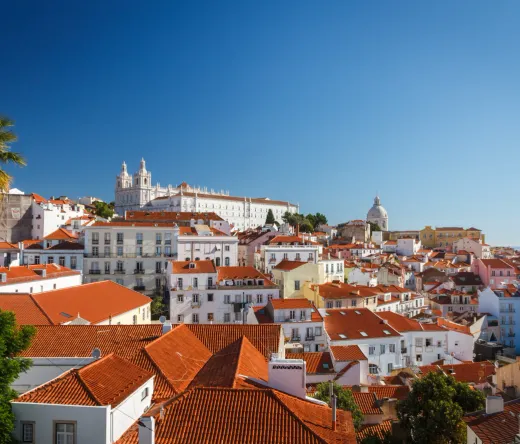
The narrow streets of Alfama and Mouraria are deeply tied to the origins of fado, the melancholic acoustic music that defines Lisbon. Rooted in the struggles of 19th-century sailors and working-class families, the genre expresses a distinct sense of longing known as saudade. Finding a venue that balances authentic history with a respectful atmosphere requires looking past the most crowded tourist squares.
Culture • History • 5 min. read
Last edited:
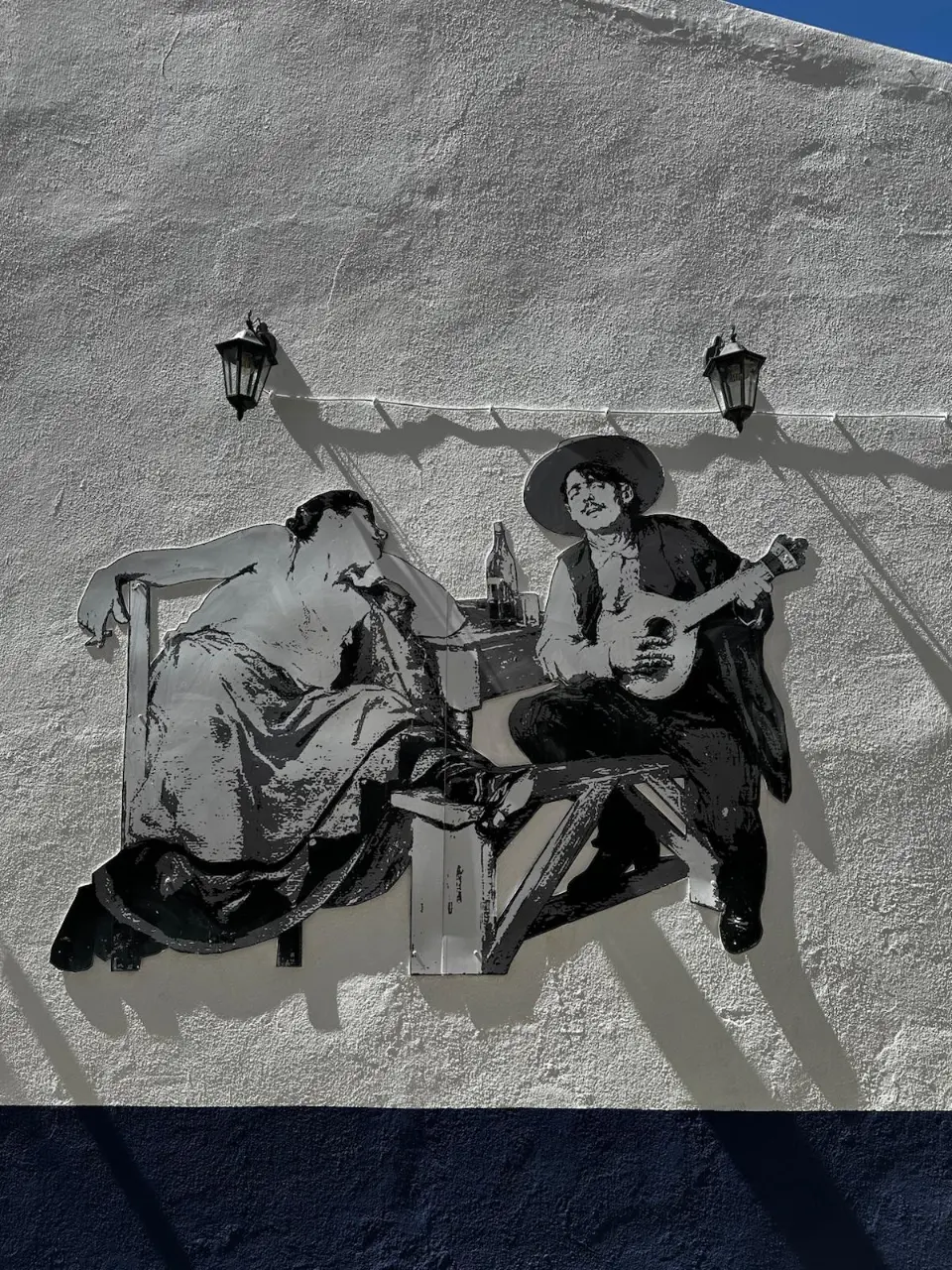
If you wander through the older neighborhoods of Lisbon as evening falls, you might hear a beautiful, mournful melody drifting from a half-open door. This is fado, the soul-stirring traditional music of Portugal. It is not just something you listen to; it is something you feel. Whether you are a music lover or just looking to understand local culture, spending an evening with fado is a wonderful way to connect with the city. Let's look at what makes this music so special and how you can experience it for yourself.
Understanding Fado: The Traditional Sound of Lisbon
At its core, fado is storytelling through song. It is usually performed by a single singer, known as a fadista, accompanied by a classical acoustic guitar and the unique Portuguese guitar, which has a distinct, pear-shaped body and a beautiful, chiming sound.
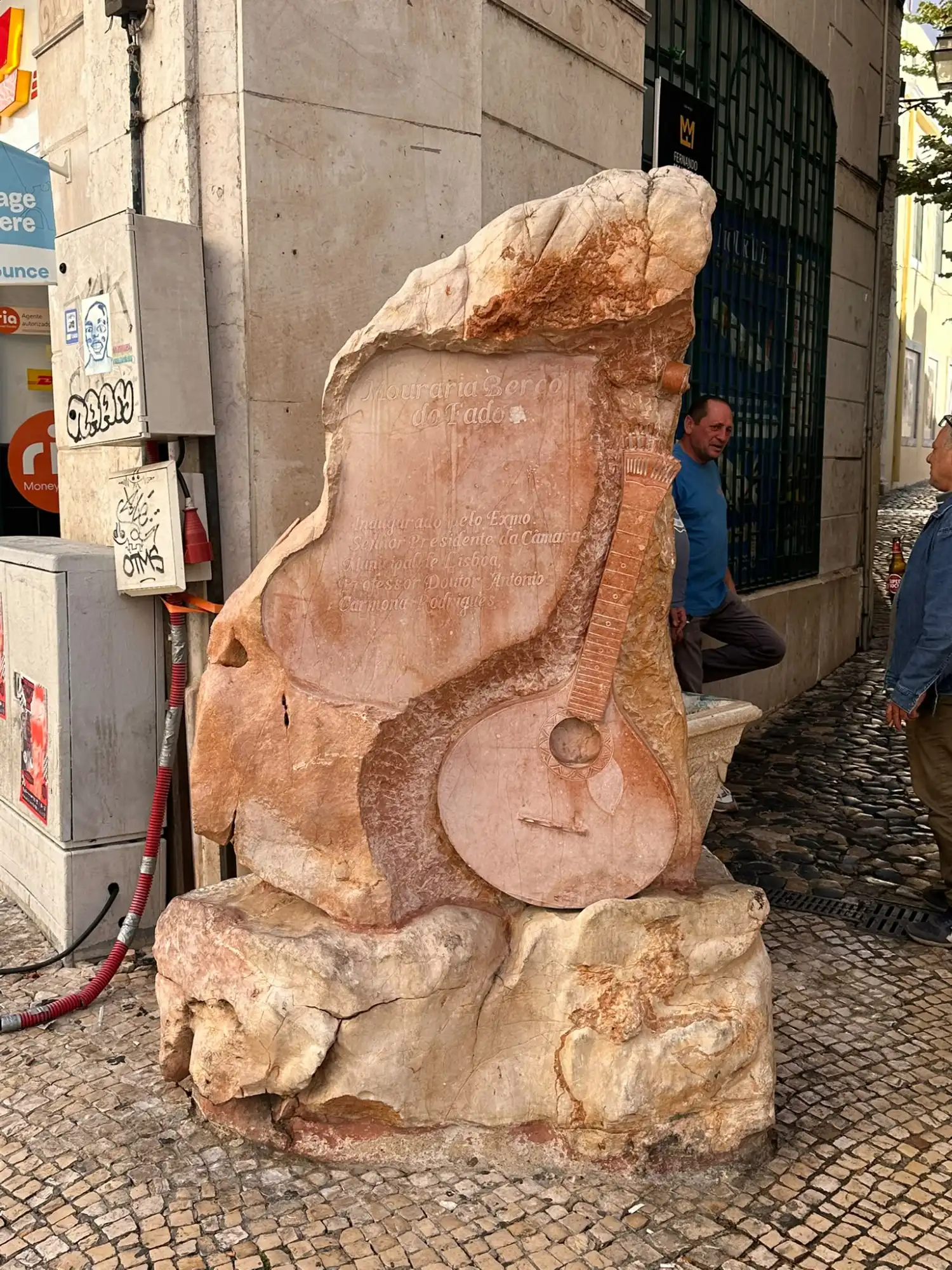
You cannot talk about fado without talking about saudade. This Portuguese word has no direct English translation, but it roughly means a deep sense of longing, nostalgia, or gentle sadness for something—or someone—that is gone. Even if you do not understand the lyrics, the emotion of saudade comes through in the singer's voice. The music is intimate, raw, and often deeply moving.
The Working-Class Origins of Fado
To really appreciate fado, it helps to know where it comes from. The music took root in the 19th century among the working-class and maritime communities of Lisbon. Sailors, dock workers, and ordinary people would gather in the taverns and alleys to sing about their daily struggles, lost loves, and the harsh realities of life at sea.
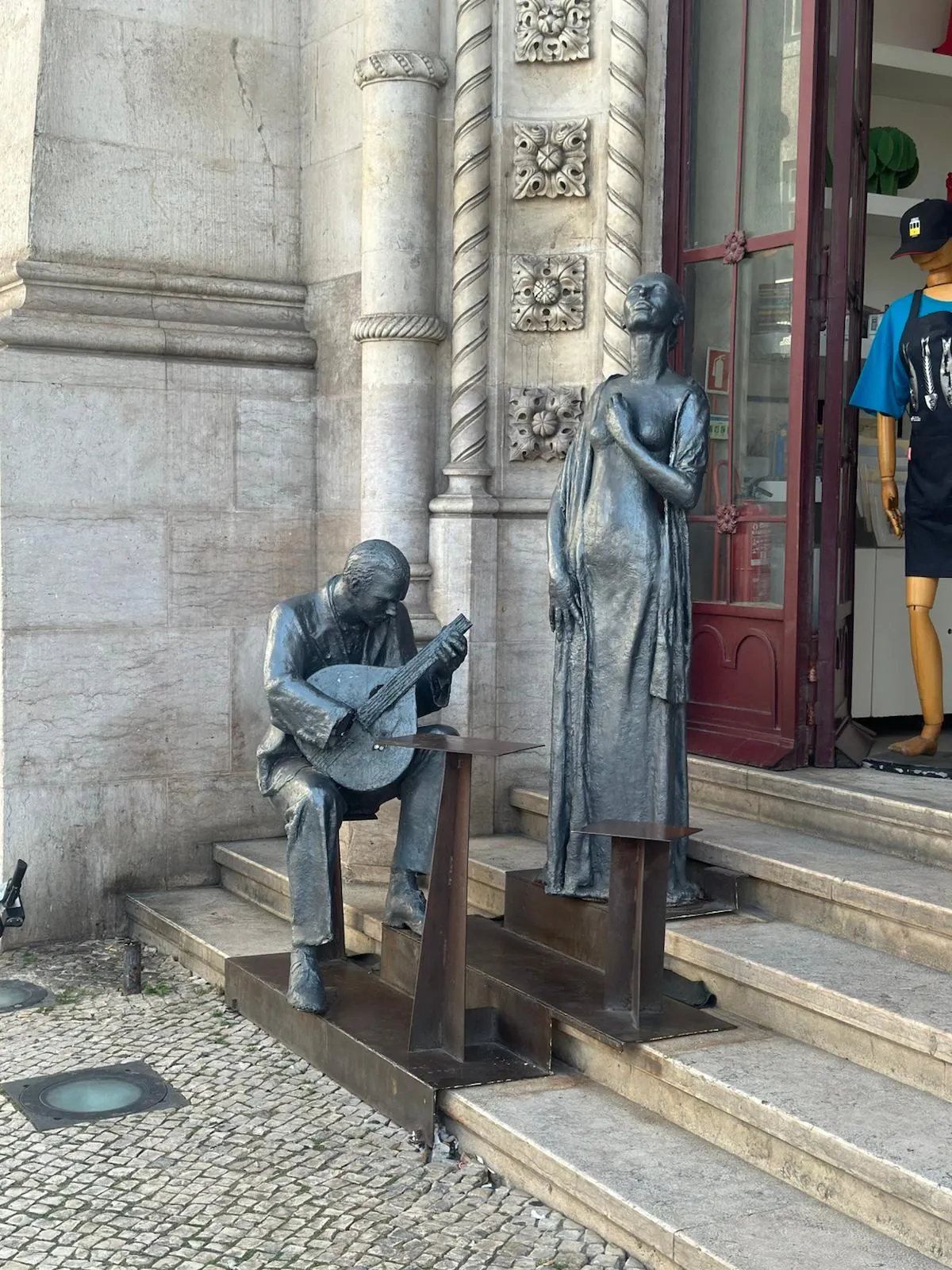
If you want to understand these historical roots better, a guided walk through the old town—like a Baixa & Alfama Old Town tour—is a great way to explore the winding streets where this music first echoed, and a visit to the Fado Museum in Alfama offers a deep dive into its rich history. Today, fado is recognized by UNESCO as cultural heritage, but it has never lost its connection to the everyday people of Lisbon.
Legendary and Contemporary Fado Artists
When locals talk about fado, one name always comes up: Amália Rodrigues. Known simply as the "Queen of Fado," she was the artist who popularized the genre globally in the 20th century. Even today, you will see her face painted on street murals and hear her classic recordings playing in neighborhood cafes.

But fado is not stuck in the past. A new generation of artists keeps the tradition very much alive, sometimes adding their own modern touches. Singers like Mariza, Ana Moura, and Camané perform in grand concert halls worldwide, yet they still hold true to the emotional depth that makes fado so special. Listening to both the classics and modern voices gives you a great sense of how the music continues to evolve.
Where to Experience Authentic Fado in Lisbon
Finding a fado performance in Lisbon is easy, but finding the right atmosphere takes a little planning. The most famous spots are clustered in the historic neighborhoods of Alfama, Mouraria, and Bairro Alto. Here, you will generally find two types of venues.
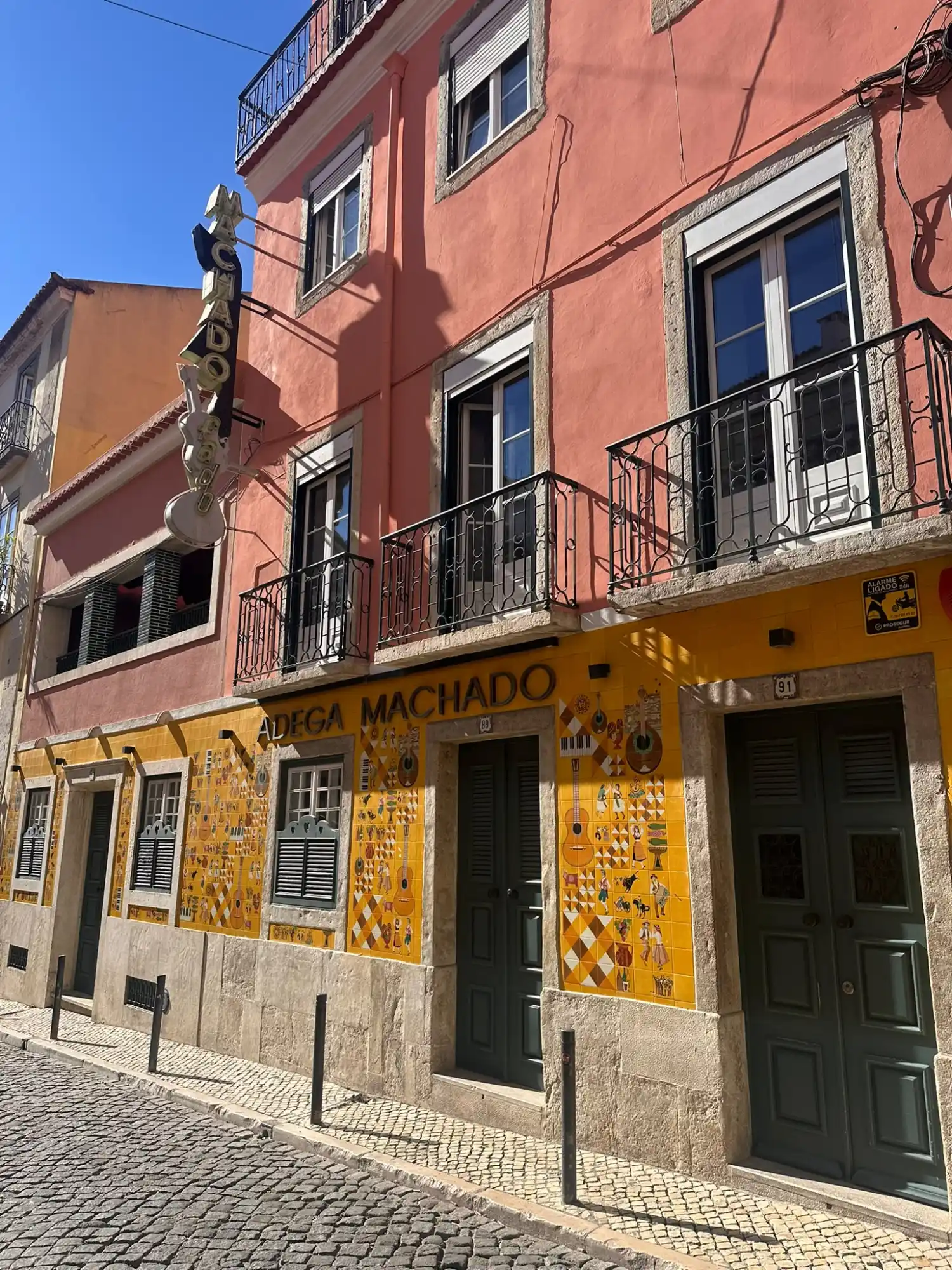
First are the formal casas de fado (fado houses), which offer a professional show paired with a full, sit-down dinner. These are great for a dedicated evening out. Alternatively, you can look for smaller, neighborhood tascas (taverns) featuring fado vadio, or amateur fado. In these casual spots, locals might spontaneously stand up to sing. It is less polished than a formal show, but it is incredibly authentic and a lovely way to experience the music organically.
Practical Advice for Attending a Fado Show
If you decide to go to a traditional fado house, it is a good idea to book your table a few days in advance, as they often fill up quickly. Keep in mind that many formal venues require you to buy dinner, which can be pricier than a standard restaurant since you are also paying for the performance.
The most important thing to know is the etiquette: when the fado is being sung, absolute silence is expected. The lights will dim, the servers will stop pouring wine, and conversations must pause. This respect for the singer creates the pin-drop atmosphere that makes live fado so powerful. Just sit back, listen, and take it all in.
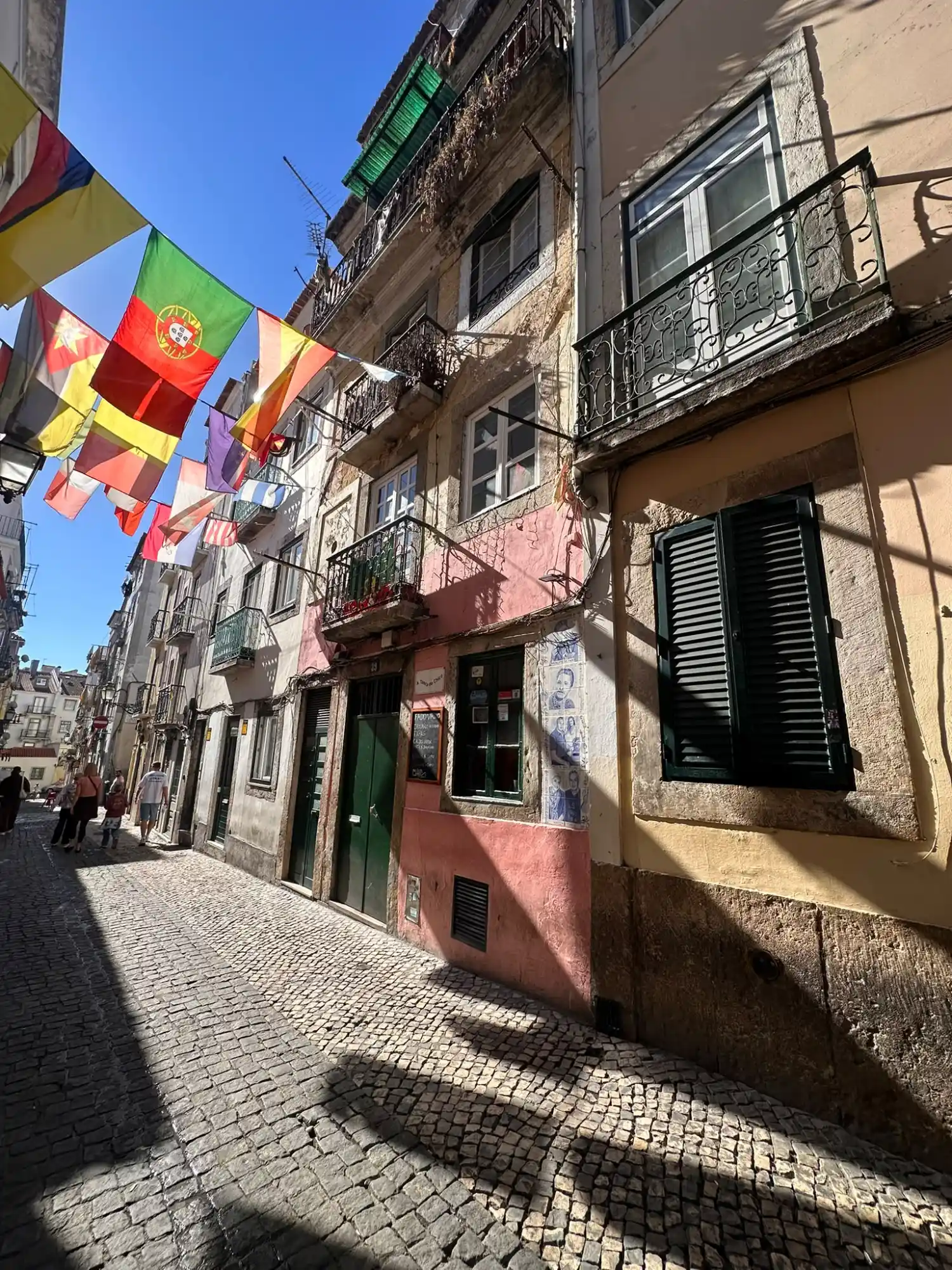
Experiencing fado is truly a window into the heart of Lisbon. It connects you to the city's maritime history, its resilient spirit, and the people who have kept these melodies alive for generations. Whether you end up in a grand fado house in Bairro Alto or a tiny tavern in Alfama, take a moment to simply listen. It is a memory of Portugal that will stay with you long after you return home.
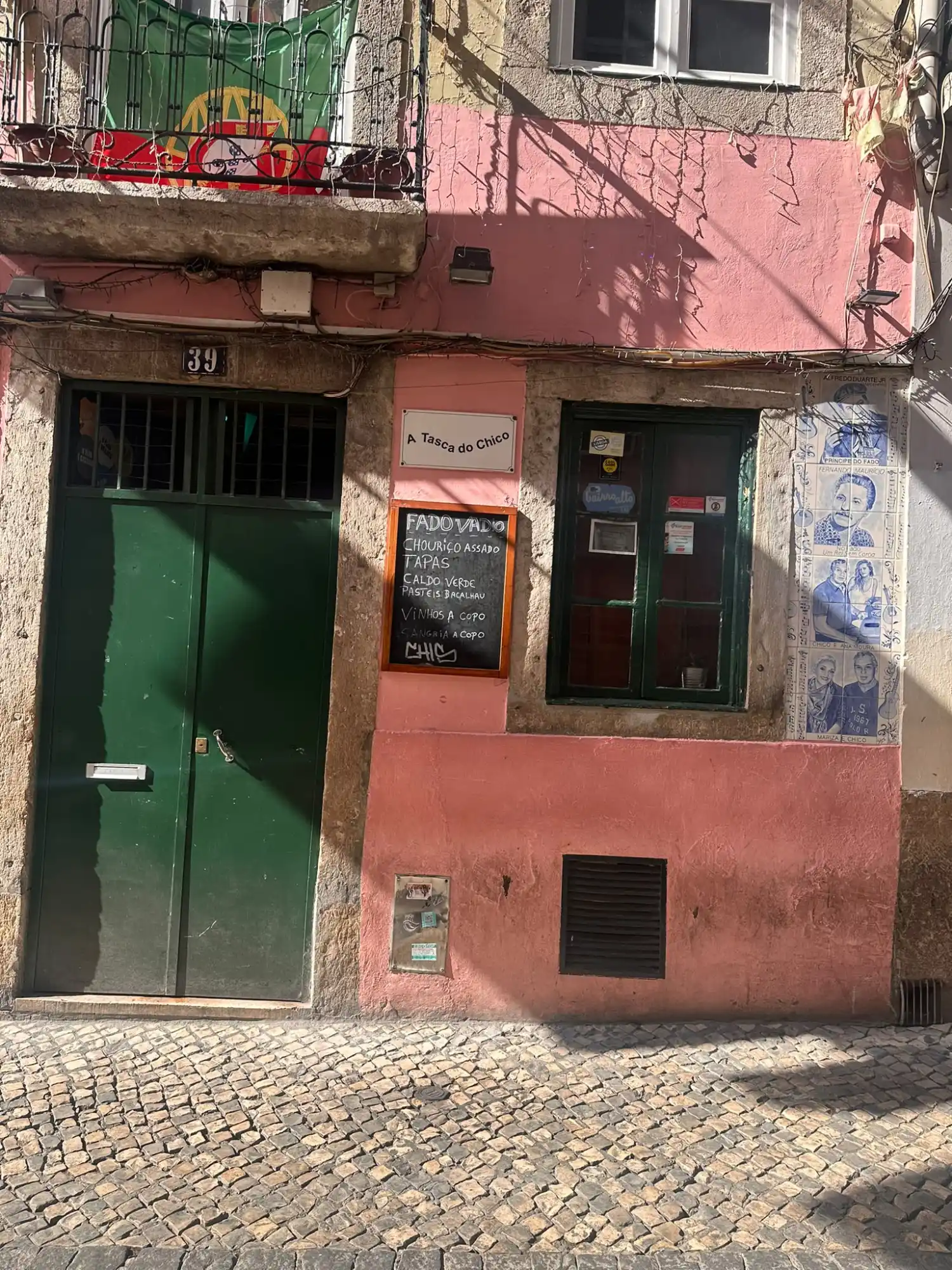
If you are looking for specific recommendations, a few personal favorites include Tasca do Chico (very touristy, but you don’t have to have dinner there; they feature fado vadio—informal, spontaneous fado performances), A Baiúca (intimate), Adega Machado (touristy, but traditional), and Jardim da Amália (an experience in itself).

Written by
Dara Gilroy
Dara is a history and politics graduate who has been guiding with Walkative! since 2022. After living in Berlin and London, he settled in Barcelona, where he leads tours exploring the city's history, both conventional and unconventional. He has also helped launch tours in Madrid, Lisbon, and Athens.
Related stories

Food • 5 min. read
A Traveler's Guide to Lisbon's Authentic Food Scene
Explore the culinary traditions of Lisbon. This guide covers essential local snacks, iconic pastries, regional wines, and practical tips for dining authentically in the Portuguese capital.
Practical Tips • 5 min. read
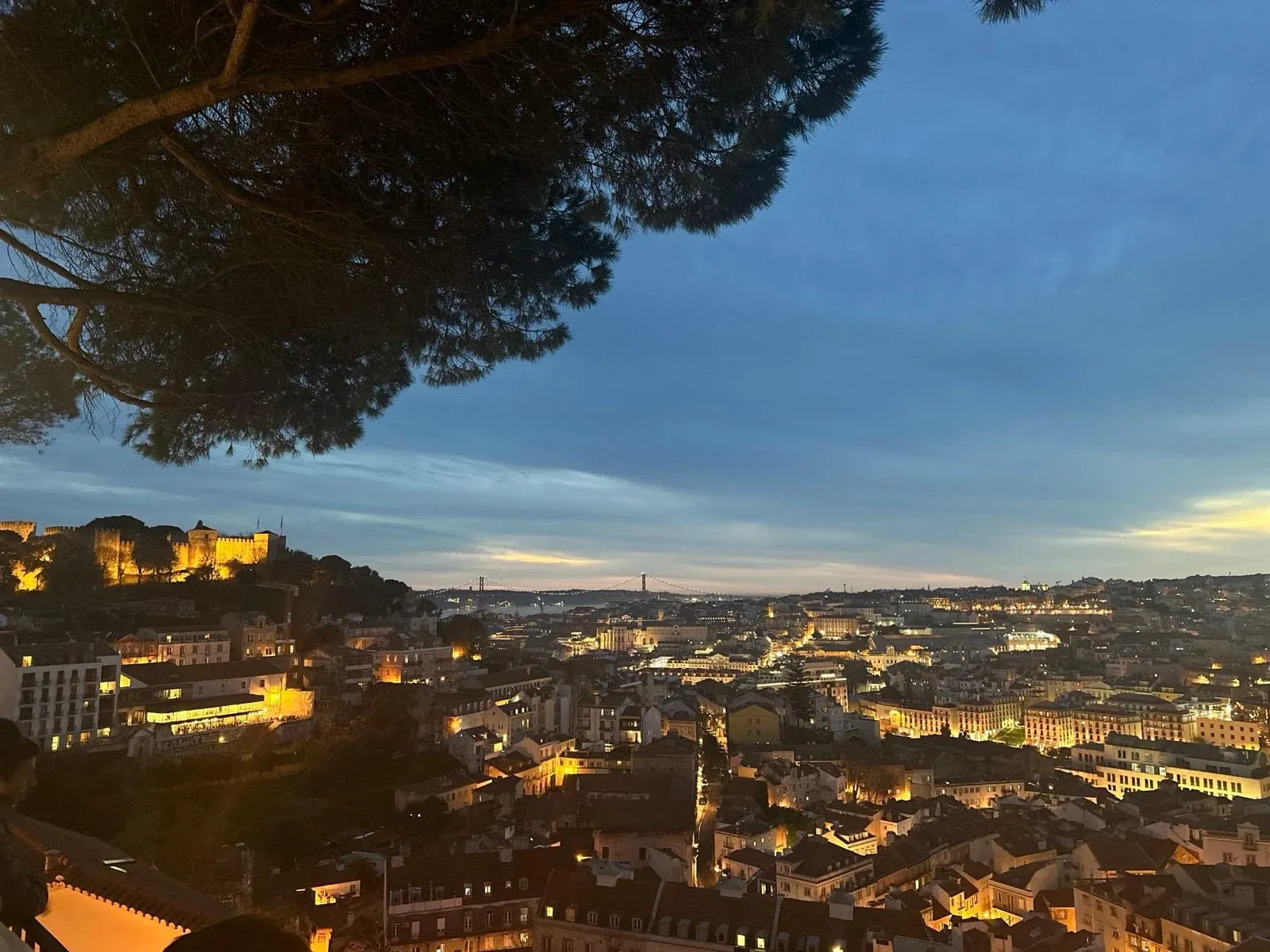
An Introduction to Lisbon's Seven Historic Hills and Miradouros
Finding your bearings in the Portuguese capital relies heavily on its dedicated observation terraces, known locally as miradouros. From the sweeping elevation of Senhora do Monte to the quieter, pine-shaded pathways of Torel Garden, these public spaces are essential for understanding the city layout. This overview breaks down Lisbon and its seven ancient hills, detailing how to move between the historic neighborhoods without exhausting yourself on the steep cobblestone streets.
Culture • History • 4 min. read
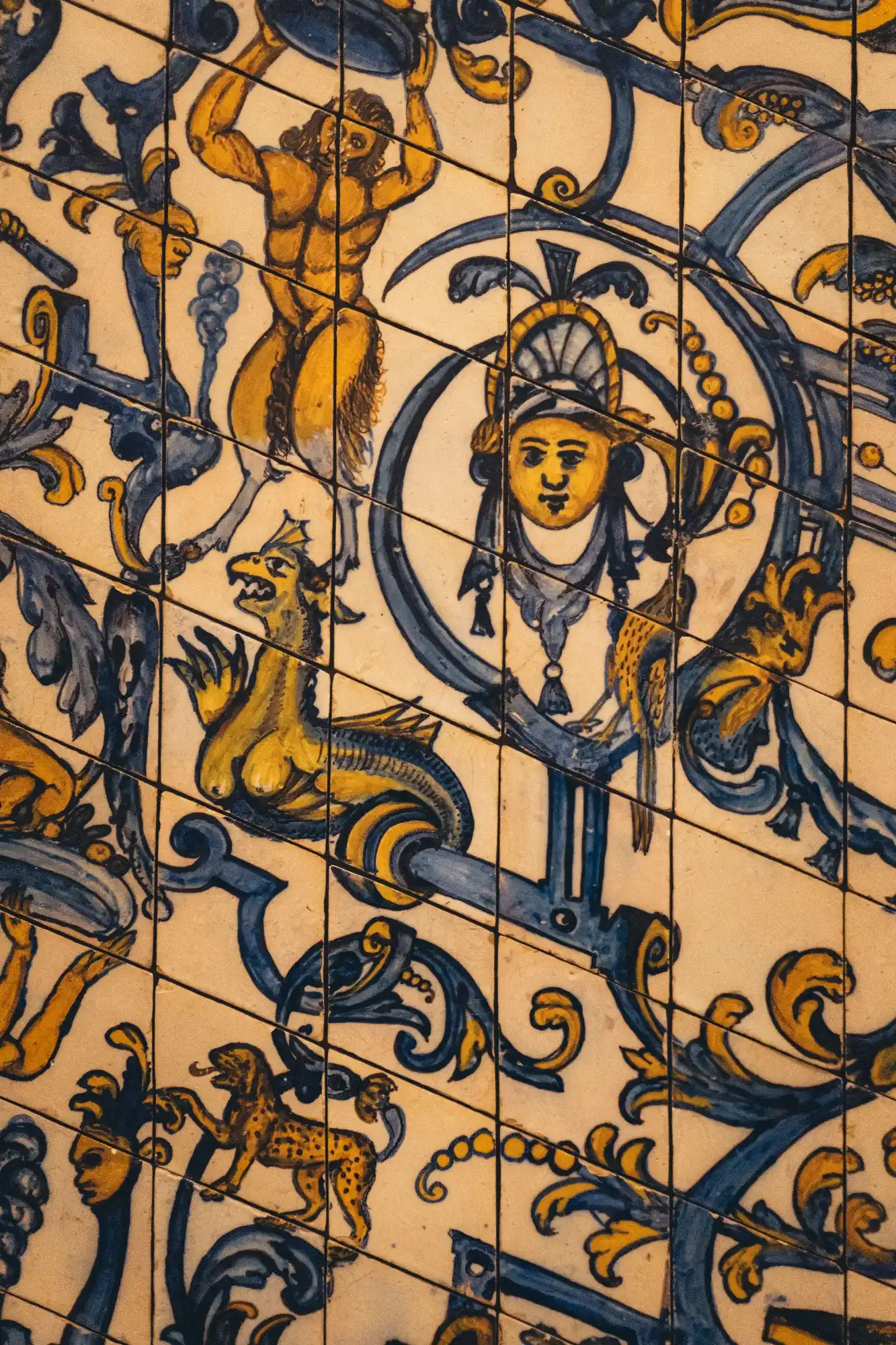
Five Standout Lisbon Museums: Where to Find Art, History, and Gardens
The 1755 earthquake left the Carmo Convent with a collapsed roof and striking open-air Gothic arches, creating one of the most distinctly illuminated spaces in Lisbon. Beyond these dramatic ruins, the Portuguese capital holds vast collections ranging from centuries-old azulejo tiles to royal diamonds secured in modern vaults. Selecting which cultural space to visit often depends on whether you prefer wandering shaded gardens, studying architectural history, or interacting with seismic simulators.
Practical Tips • 5 min. read
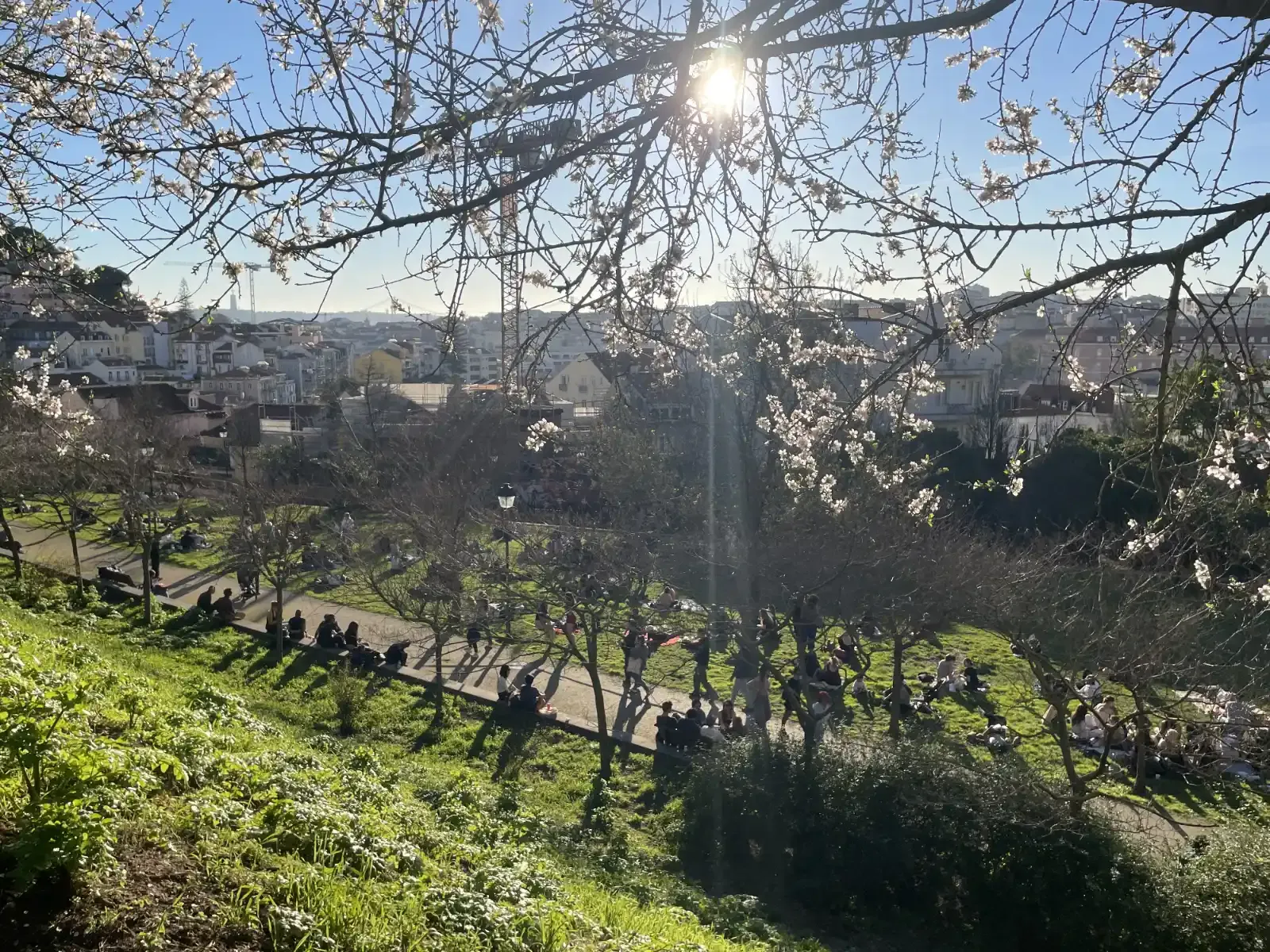
Jardim do Torel and Other Quiet Parks for Relaxing in Lisbon
Riding the 19th-century Ascensor do Lavra up from the busy streets below leads straight to Jardim do Torel, a former private estate turned quiet public park. It is just one of several green retreats scattered across the Portuguese capital, alongside the shaded modernist paths of the Gulbenkian and the breezy waterfront of Almada. Knowing where to find these quieter courtyards and terraces changes how you navigate the city.

Food • 5 min. read
What is the Portuguese Bifana?
Long before global fast-food chains arrived, Portugal relied on its own standard for a quick, hot meal. Served across tavern counters from morning until late at night, a simple pork sandwich became a daily habit for millions. Whether eaten on a lunch break or after hours in Lisbon, the bifana remains a cornerstone of local street culture.