The Architectural Legacy of Antonio Palacios in Madrid
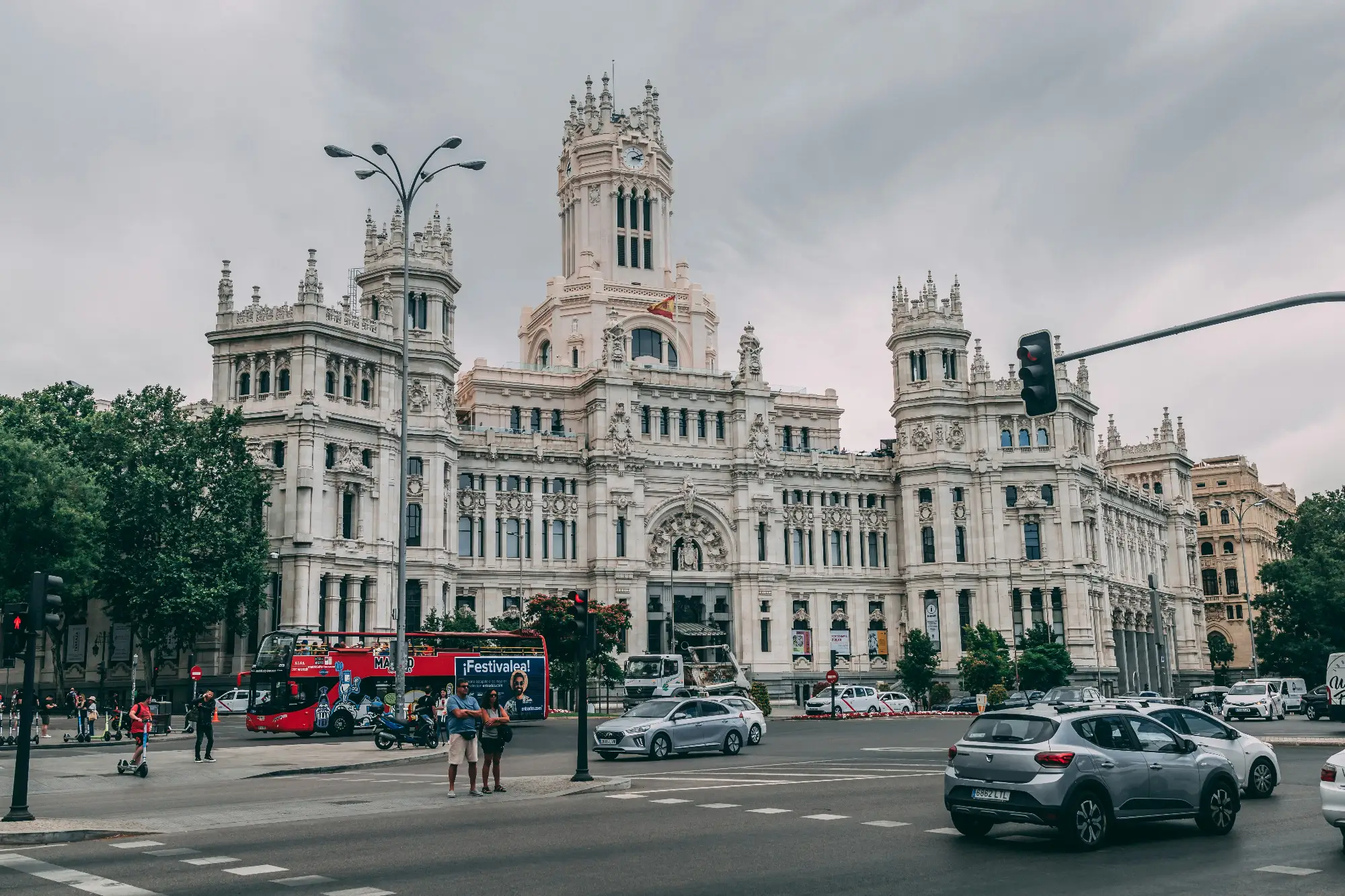
When the first passengers descended into the Madrid metro in 1919, they were moving through spaces designed by Antonio Palacios. From these subterranean tunnels to the monumental white facade of the Cibeles Palace, the Galician architect tackled everything from utilitarian infrastructure to grand civic headquarters.
Culture • History • 4 min. read
Last edited:
Madrid’s early 20th-century transformation from a historic capital into a modern metropolis is permanently etched into its streets. While many architects contributed to this shift, few left a mark as distinctive as Antonio Palacios. His monumental designs reshaped both the city’s skyline and its foundational infrastructure, leaving a structural legacy that still defines central Madrid today and can be admired on our Welcome to Madrid! Historic Centre Guided Walking Tour.
Introduction to Antonio Palacios' Architecture in Madrid
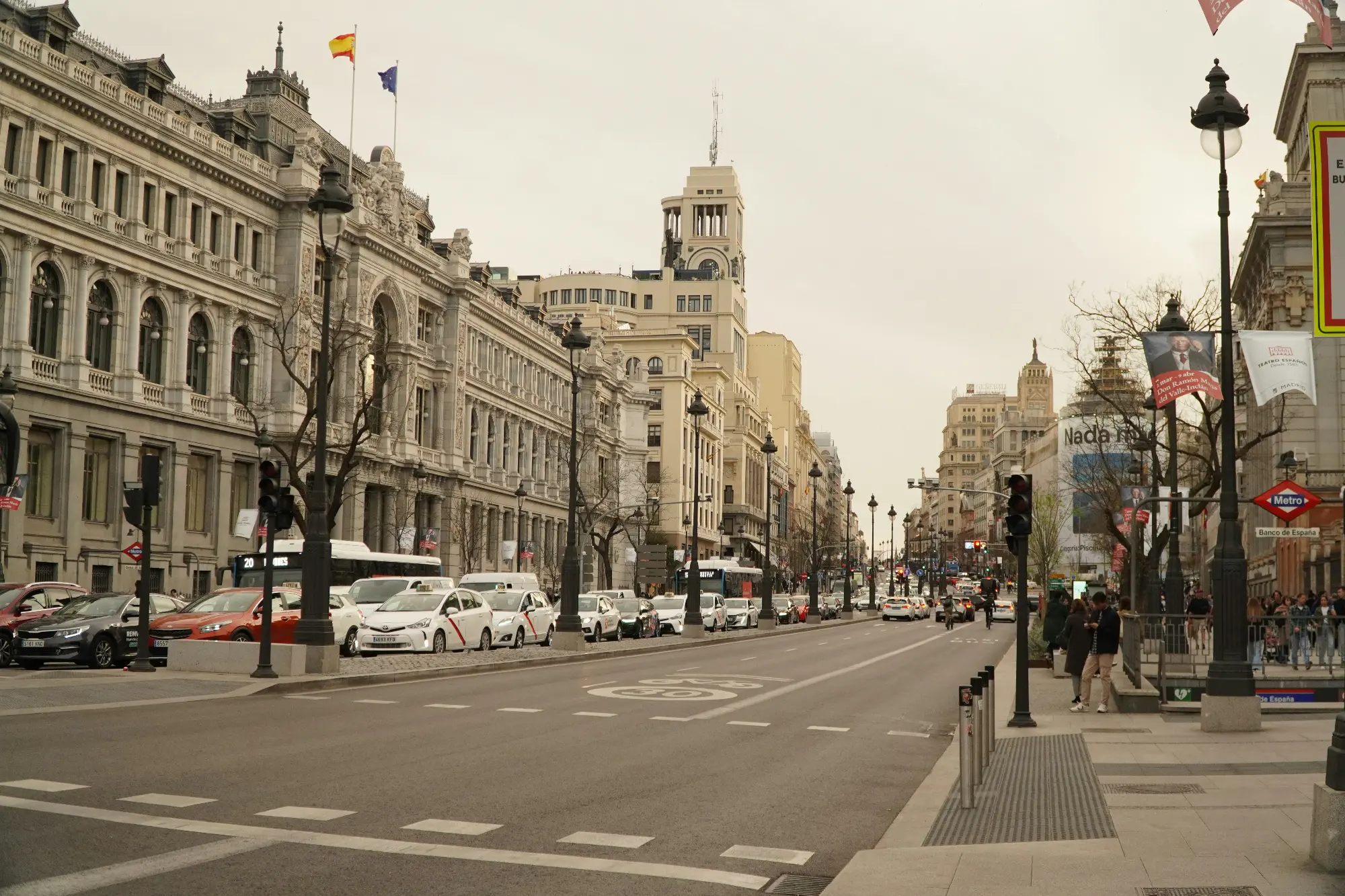
Born in Galicia, Antonio Palacios moved to Madrid and became one of its most influential architects during the first half of the 20th century. His signature style blended classical elements, regional Spanish influences, and modern structural techniques. Focusing his early efforts on the city center, Palacios helped reshape the urban corridor stretching from Puerta del Sol to Plaza de Cibeles. His buildings are characterized by heavy stone facades, intricate detailing, and an imposing sense of scale that communicated the growing economic power of the capital during that era.
Public and Cultural Architecture: Cibeles Palace to Maudes Hospital
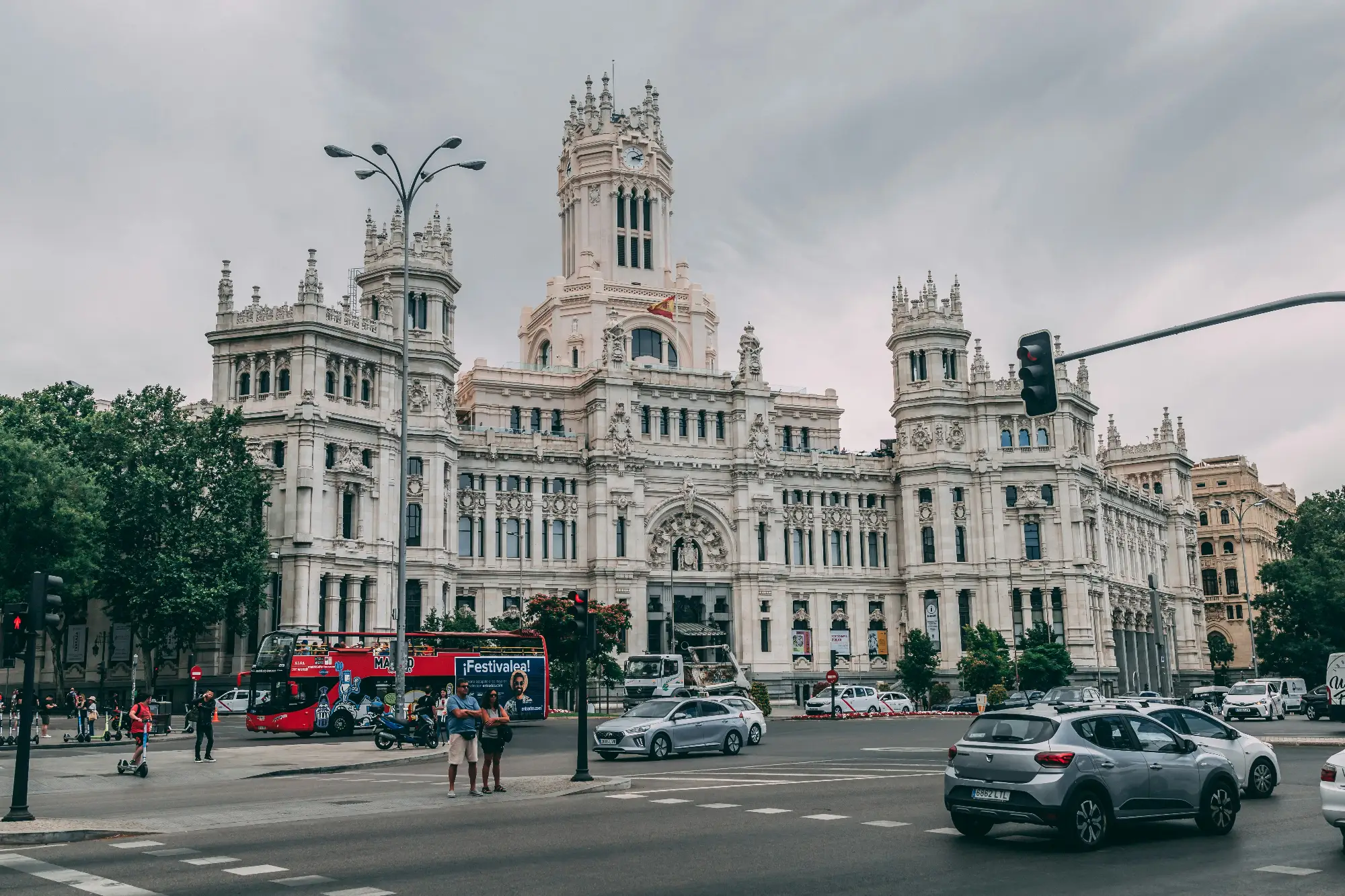
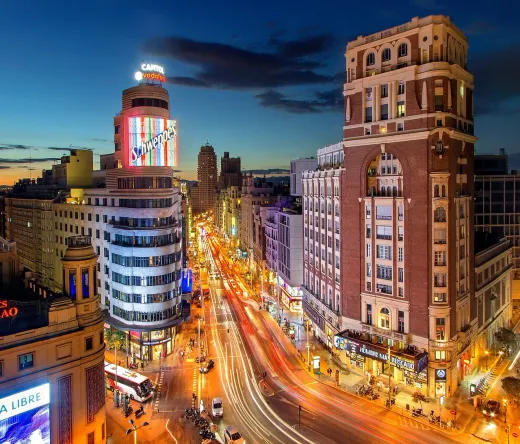
Palacios is perhaps best known for his large-scale public commissions. The most prominent is the former Telecommunications Palace, now known as the Palacio de Cibeles and serving as Madrid's City Council. Its towering white facade anchors the Plaza de Cibeles and remains a recognizable symbol of the city. Nearby, the Círculo de Bellas Artes showcases his ability to design complex cultural spaces with striking profiles. Beyond the center, the historic Maudes Hospital, originally built for the city's laborers, demonstrates his skill in creating functional institutional architecture. Joining a guided walking tour is a helpful way to understand the scale and historic context of these cultural landmarks.
Financial and Commercial Projects on Calle de Alcalá
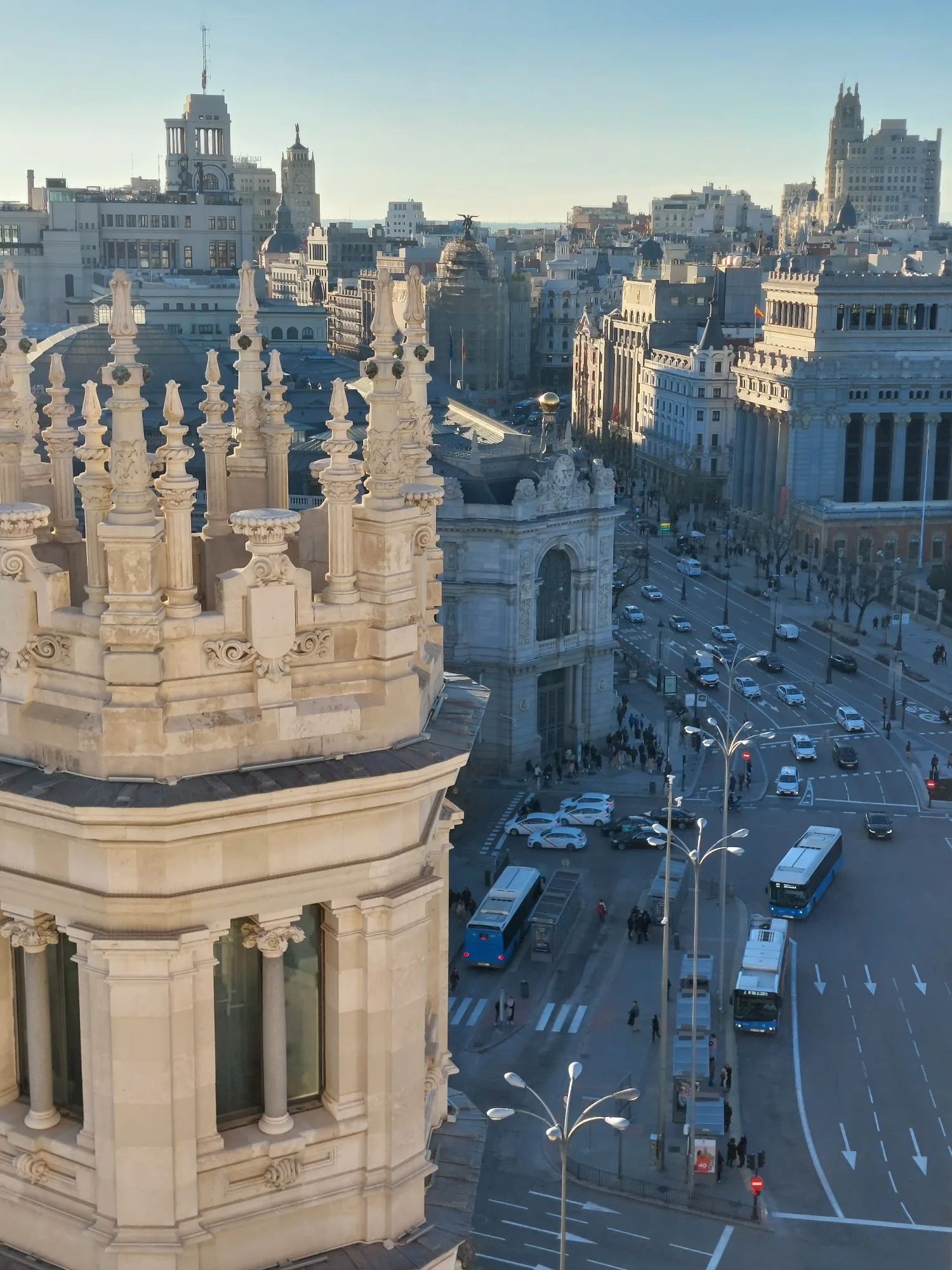
As Madrid’s economy modernized, Palacios was commissioned to design numerous commercial and financial headquarters, many of which line Calle de Alcalá. The Caryatid Building, which now houses the Instituto Cervantes, is notable for its monumental sculpted figures framing the entrance. Down the street, the Banco Mercantil e Industrial stands as a prime example of his commercial work. Palacios also drew inspiration from international trends, visible in the Casa Comercial Palazuelo. Influenced by the Chicago school of architecture, this building features a striking interior courtyard that maximizes natural light, showing his adaptability to modern commercial needs.
Private Residences Across the Capital
While his public buildings command the most attention, Palacios also designed numerous private residences. He was commissioned by Madrid’s affluent families to build lavish mansions and stately apartment blocks that reflected their social standing. These residential projects often featured the same robust stonework and eclectic detailing found in his civic architecture. In contrast to these grand commissions, Palacios designed a much simpler, modest home for himself in the El Plantío neighborhood on the outskirts of the city, providing a quieter space away from the bustling capital he helped construct.
Metro de Madrid: Historic Stations and Infrastructure
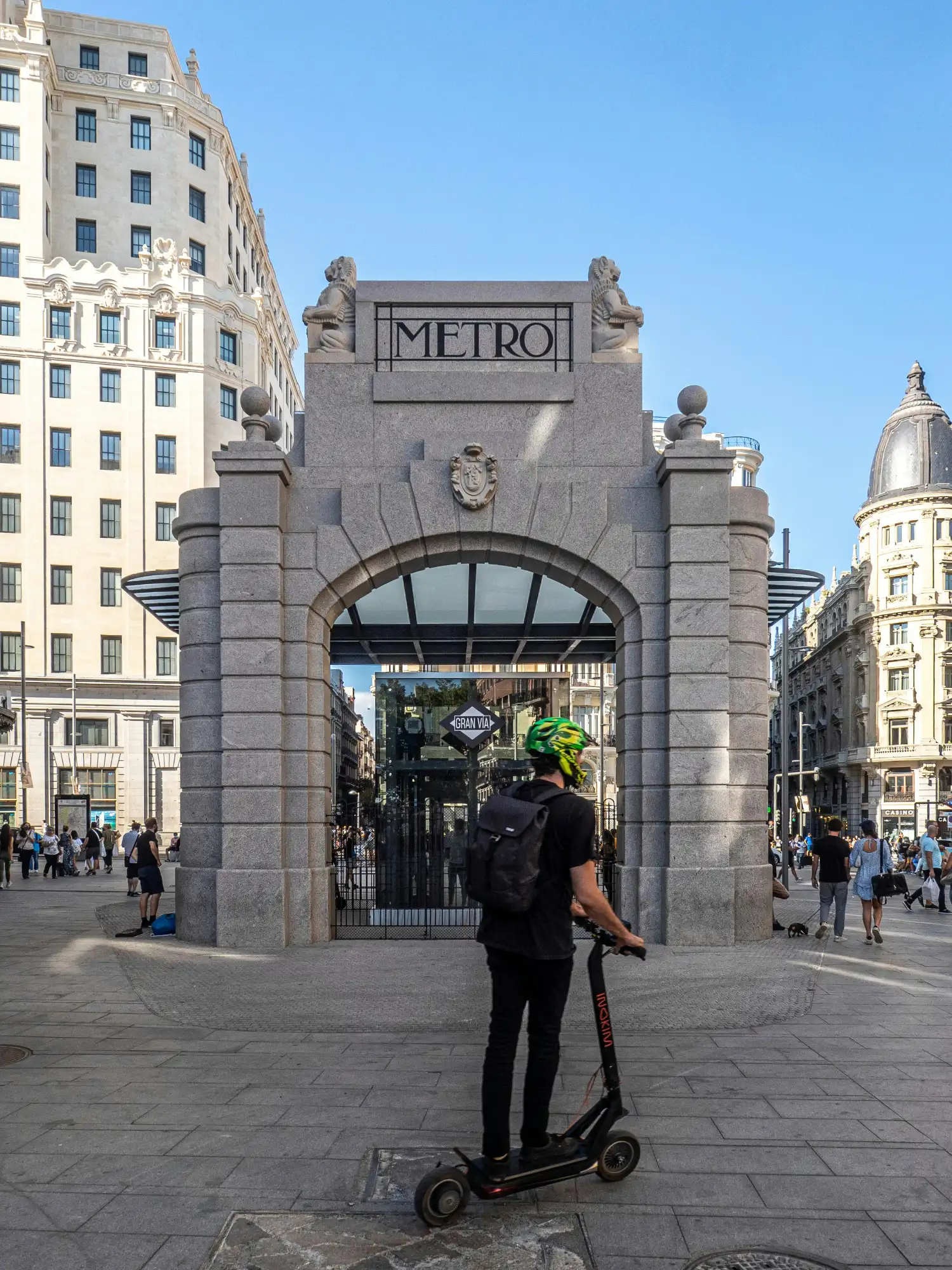
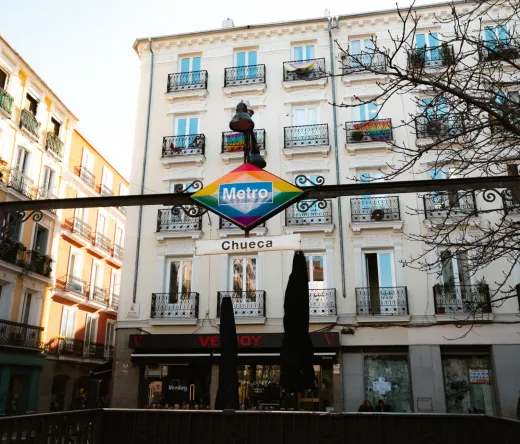
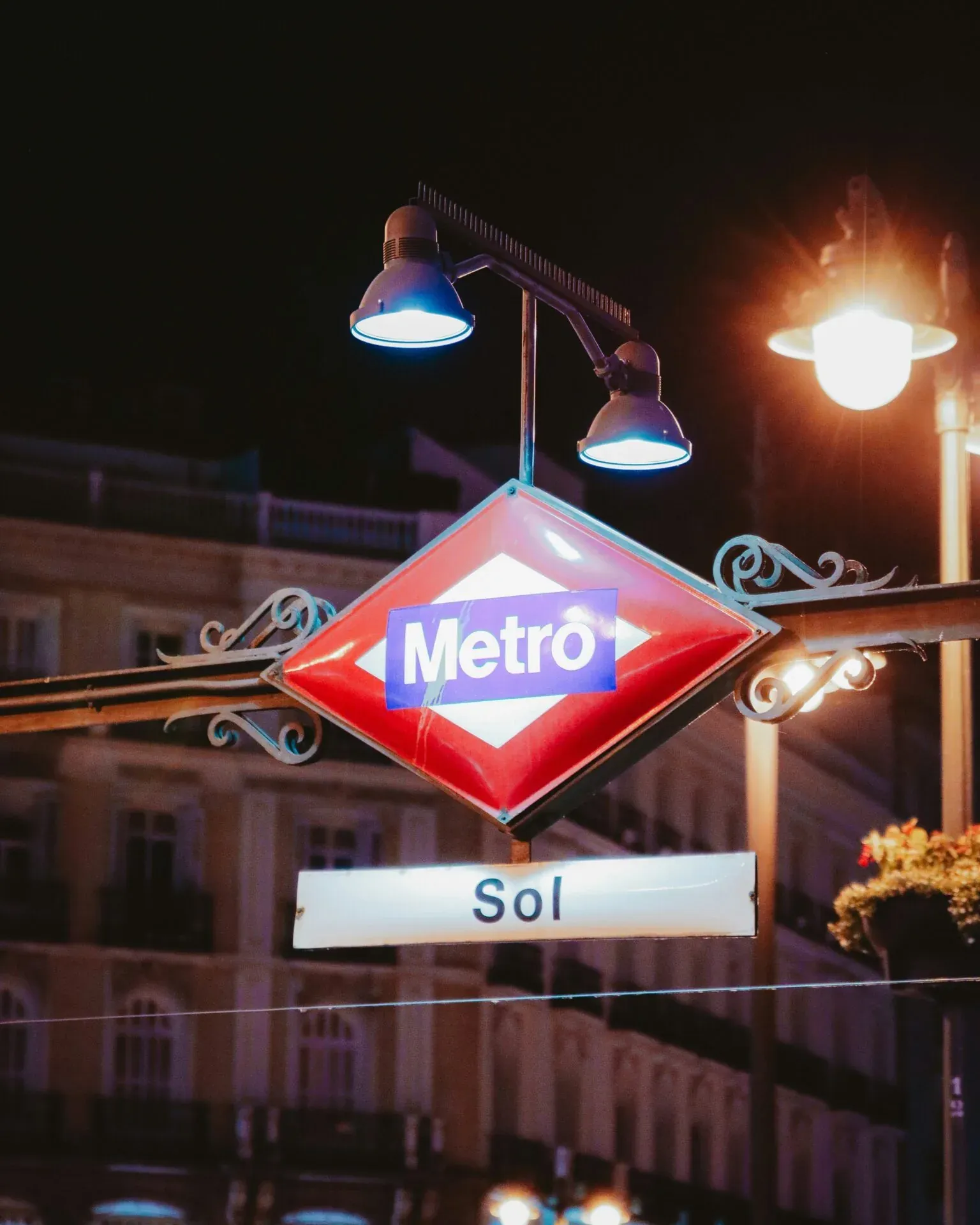
Beyond surface architecture, Palacios was instrumental in designing the infrastructure for the Metro de Madrid, which opened in 1919. He designed the original station entrances, the iconic diamond-shaped Metro logo, and power facilities like the Nave de Motores, which generated electricity for the network. Today, visitors can experience his transit design at the Chamberí "Ghost Station," a fully preserved 1920s metro stop now serving as a museum. Exploring these subterranean spaces on a walking tour offers deeper insight into how Palacios shaped the daily movement of Madrileños.
The architectural vision of Antonio Palacios fundamentally altered the identity of Madrid. From towering cultural institutions to the underground transit network, his work provides a tangible link to the city's early 20th-century expansion. Observing these structures offers a clear, practical way to read the history of Madrid's modernization as you navigate its streets.

Written by
Duarte Azevedo
Duarte is originally from Lisbon and has been guiding for about a decade. After six years in Berlin, he moved to Madrid, where he has been leading tours with Walkative since 2024. He specializes in 20th-century history and enjoys sharing his passion for the city's art, culture, and social energy.
Related stories
Culture • History • 5 min. read
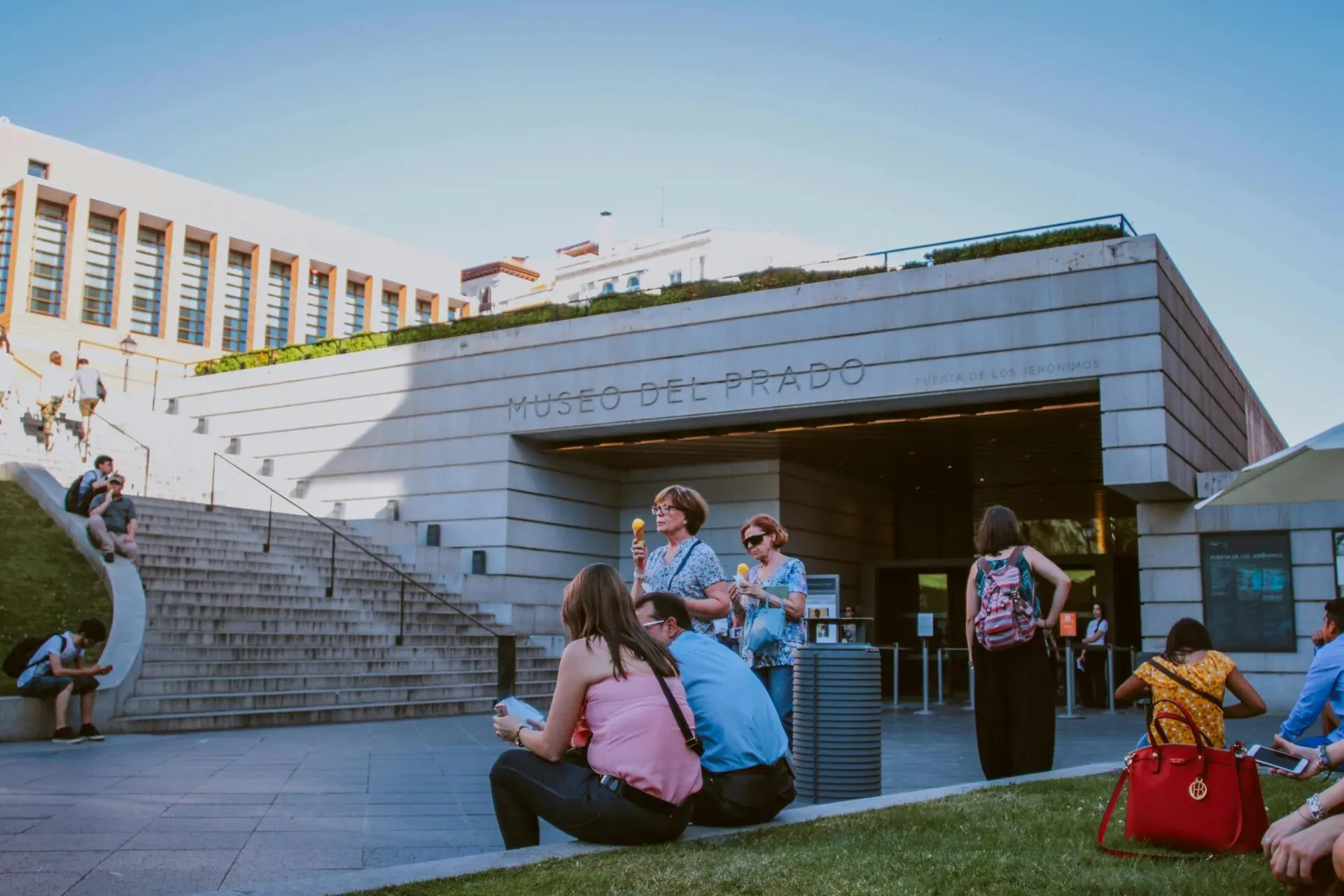
A Guide to Madrid’s Museums: Art, History, and Royal Splendor
Explore Madrid’s top museums: Prado’s Las Meninas, Reina Sofía’s Guernica, Archaeological Museum mosaics, plus Cerralbo and Royal Palace.
Culture • History • Tours • 6 min. read
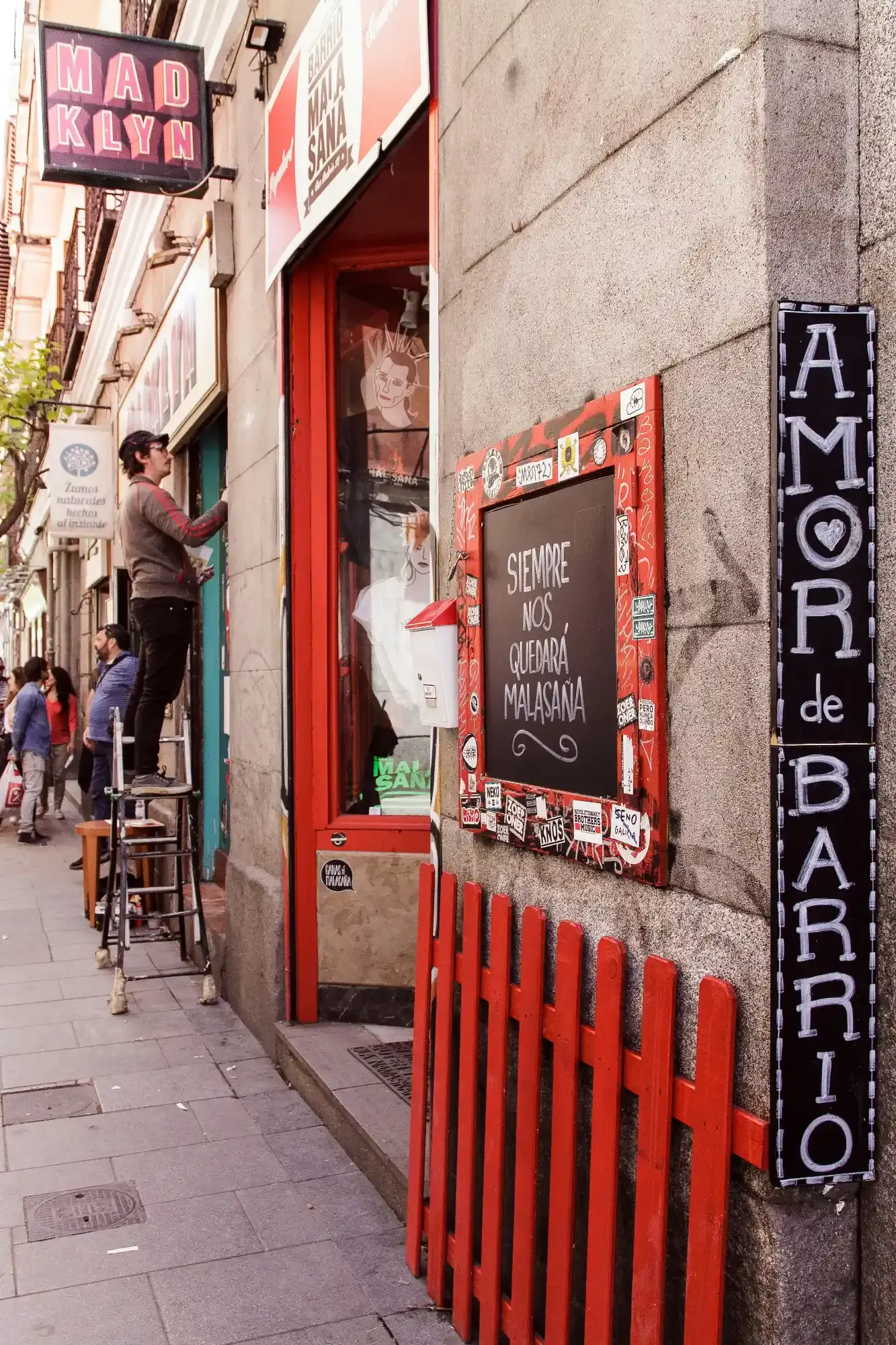
Madrid’s Historic Neighborhoods: Architecture, Art, and Local Culture
The 1776 palace of the Marquis of Matallana in Chueca and the 1980s retro streets of Malasaña offer two very different perspectives on local history. Moving beyond the major museums, a walk through central Madrid connects centuries of royal architecture with modern neighborhood avenues. From the open-air stalls of the El Rastro market to the traditional courtyard corralas of Lavapiés, these districts outline how the capital took shape.
Practical Tips • 6 min. read
Navigating Madrid: Your Ultimate Guide to Public Transportation
The ultimate guide to public transportation in Madrid. Learn how to use the metro, buses, and trains efficiently.
Culture • Practical Tips • Food • 4 min. read
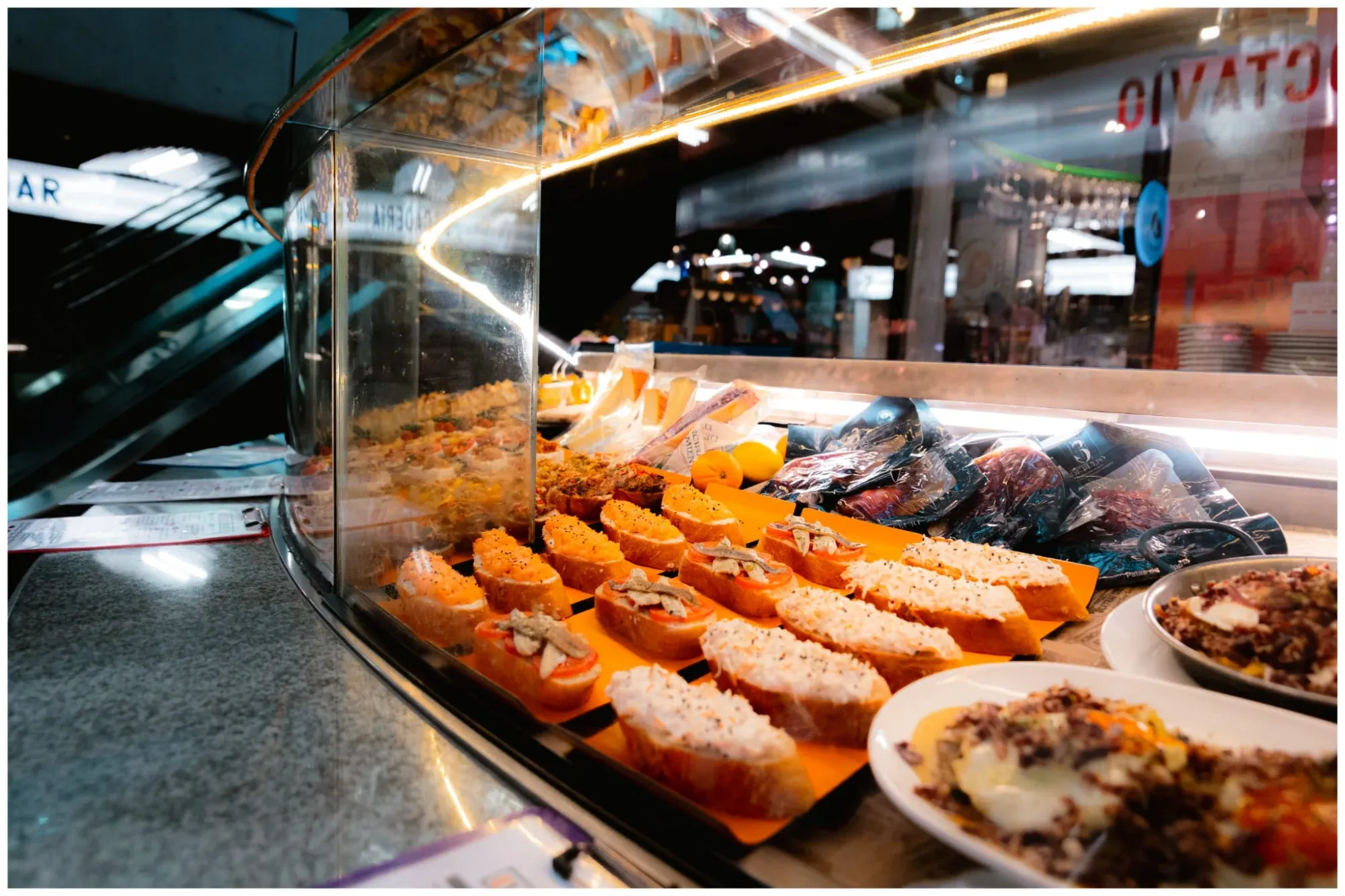
A Guide to Madrid's Authentic Neighborhood Food Markets
Behind the brick facades of Chamberí and the steep streets of Lavapiés, residents gather over small plates of tortilla and glasses of draft vermouth. The traditional neighborhood market remains a fixture of Spanish urban life, serving equally as a place to buy weekly groceries and meet friends. Navigating these working food halls provides a direct view into how people in Madrid actually eat, trading polished aesthetics for genuine community spaces.
Practical Tips • History • 5 min. read
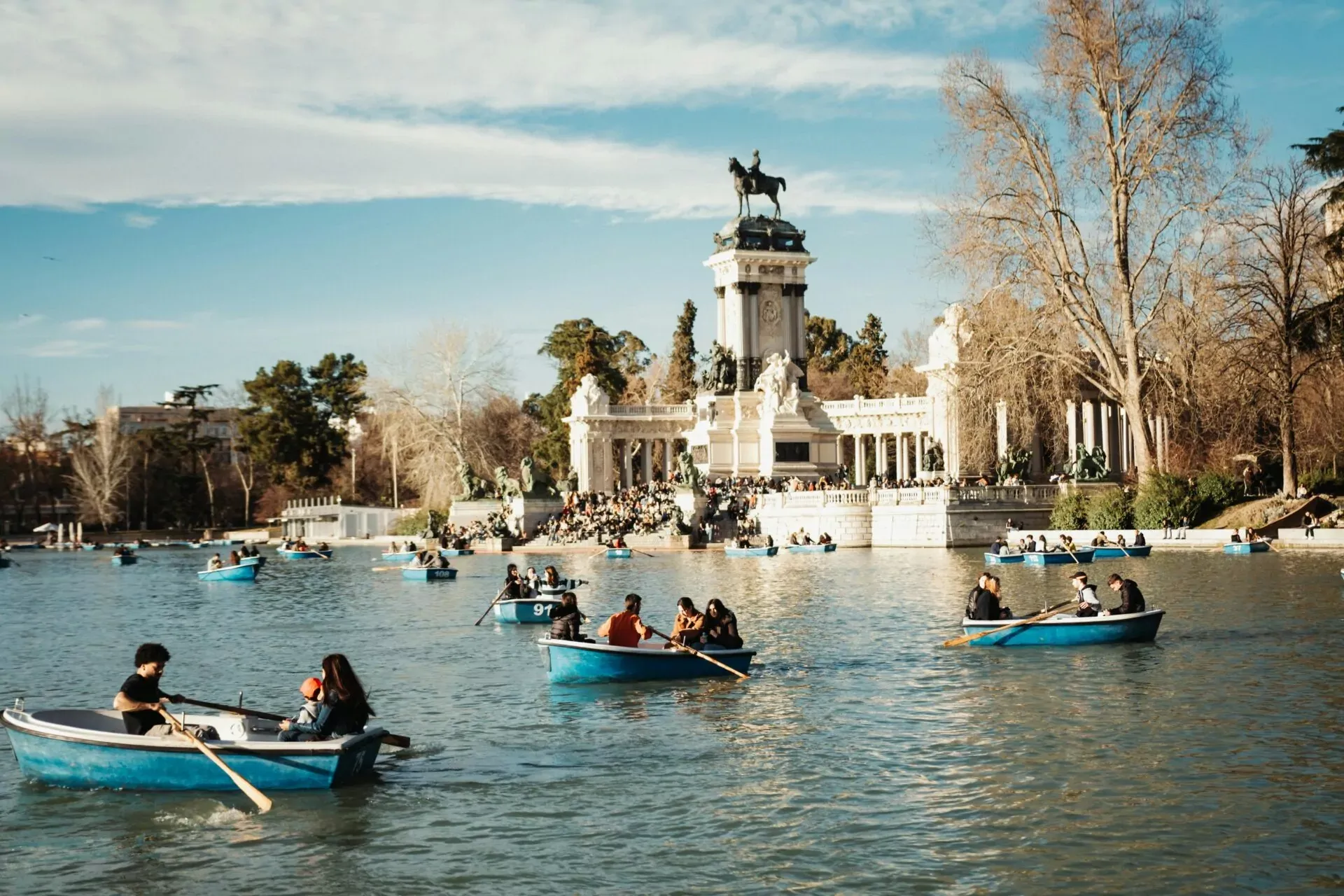
Best Parks and Places to Relax in Madrid: A Local’s Guide
Discover Madrid’s best parks and calm spots to unwind, from grand gardens to quiet corners, with practical local tips for a relaxed break.