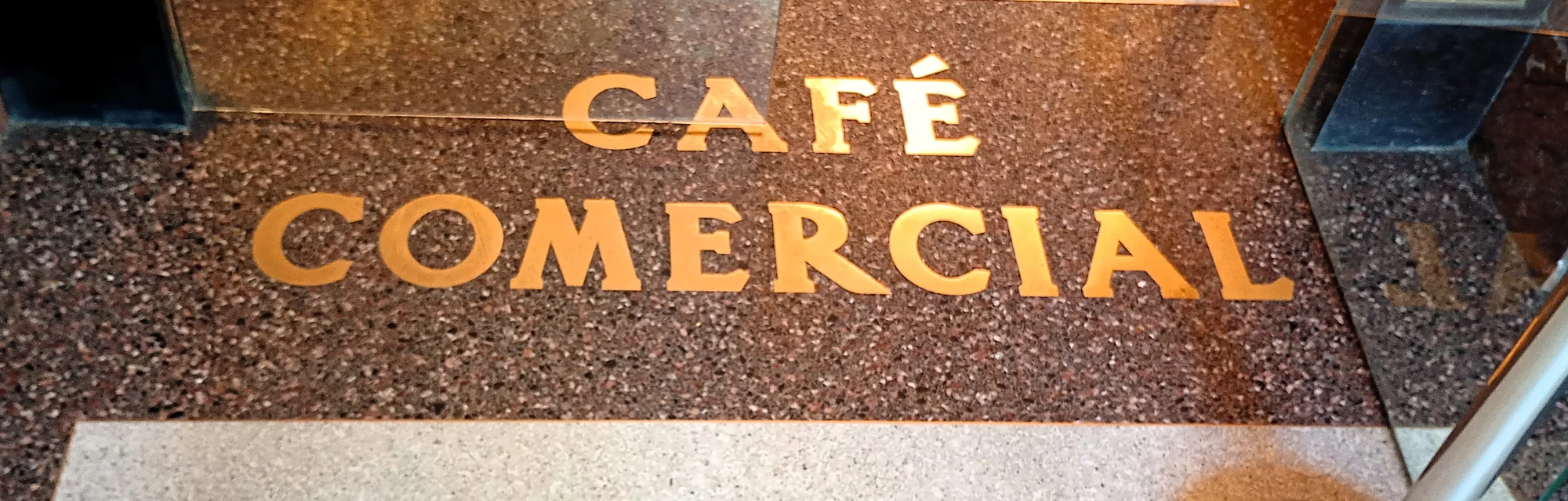
Historic Cafés of Madrid: From Literary Tertulias to La Movida
In 1888, Café Gijón opened its doors on Paseo de Recoletos and soon became a meeting ground for Spanish intellectuals and infamous figures like Mata Hari. The city's century-old coffeehouses and traditional pastry shops hold decades of political debates, literary awards, and royal secrets. From the original mahogany counters at El Riojano to the vintage 1970s tables in Malasaña, these local institutions offer a quiet look at the past before diving into the bustling streets of Madrid.
Culture • Practical Tips • Food • 6 min. read
Madrid is a city where history is not just preserved in museums, but actively brewed into the fabric of daily life. For well over a century, the Spanish capital has been defined by its bustling cafés and pastry shops. These establishments served as the epicentres of political debate, literary creation, and the famous tertulias—lively social gatherings that helped shape the nation’s culture. From ornate 19th-century coffeehouses favoured by royalty to the retro 1970s hubs that fueled modern cultural revolutions, exploring Madrid's historic cafés offers an authentic and relaxed perspective on the city's rich past.
Café Gijón: Writers, Spies, and Literary Awards
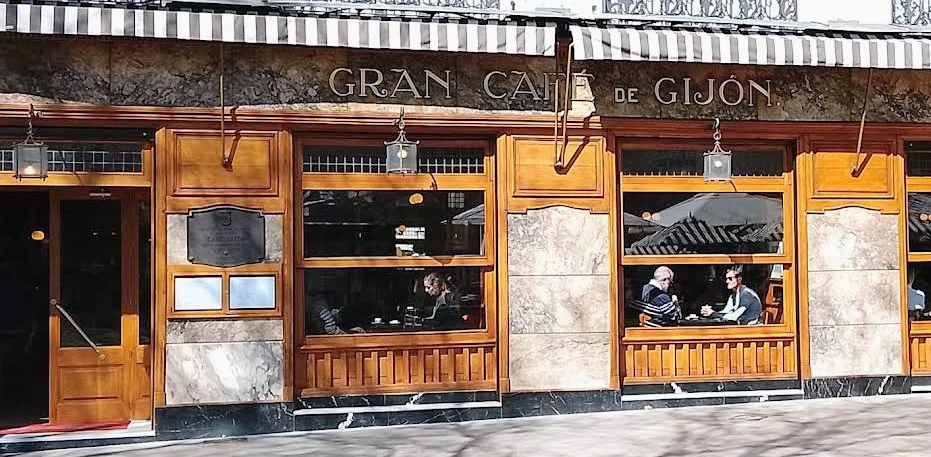
Shortly after opening its doors in 1888 on Paseo de Recoletos, Café Gijón established itself as the beating heart of Madrid's cultural and literary scene. Its elegant rooms welcomed illustrious thinkers, politicians like José Canalejas, and even the legendary spy Mata Hari. The establishment made such an impact on Spanish culture that it inspired twelve books, including Francisco Umbral’s La noche que llegué al Café Gijón, and it lends its name to an esteemed literary award presented annually since 1950.
Today, the traditional bohemian gatherings have largely given way to a clientele of civil servants, businesspeople, and local celebrities. Although it sits slightly beyond the immediate historic centre at Paseo de Recoletos, 21, the café remains a compelling stop for travellers wishing to experience a historic atmosphere that has survived for over a century.
Hotel Palace Café-Bar: Hemingway and Civil War History
While not a traditional street-side café, the café-bar inside the Hotel Palace served as an exclusive meeting point for the capital's elite. Established in 1912 at Plaza de las Cortes, 7, it emulates a classic late-19th-century English bar, featuring fine wood, leather armchairs, and a warm fireplace. Wealthy entrepreneurs and writers gathered here to converse and debate. One of its most famously loyal patrons was Ernest Hemingway, who frequently stayed late into the night enjoying cocktails and gin and tonics.
Beyond its luxurious atmosphere, the hotel holds deep historical significance. During the Spanish Civil War, the Hotel Palace was repurposed as a makeshift hospital to treat wounded soldiers arriving from the front lines, and its first floor even housed the Soviet Union's embassy for a year. Travellers exploring these turbulent eras on a 20th-century Madrid walking tour will find this venue a fascinating piece of the city's wartime puzzle.
Café Comercial: Historic Gatherings at Glorieta de Bilbao
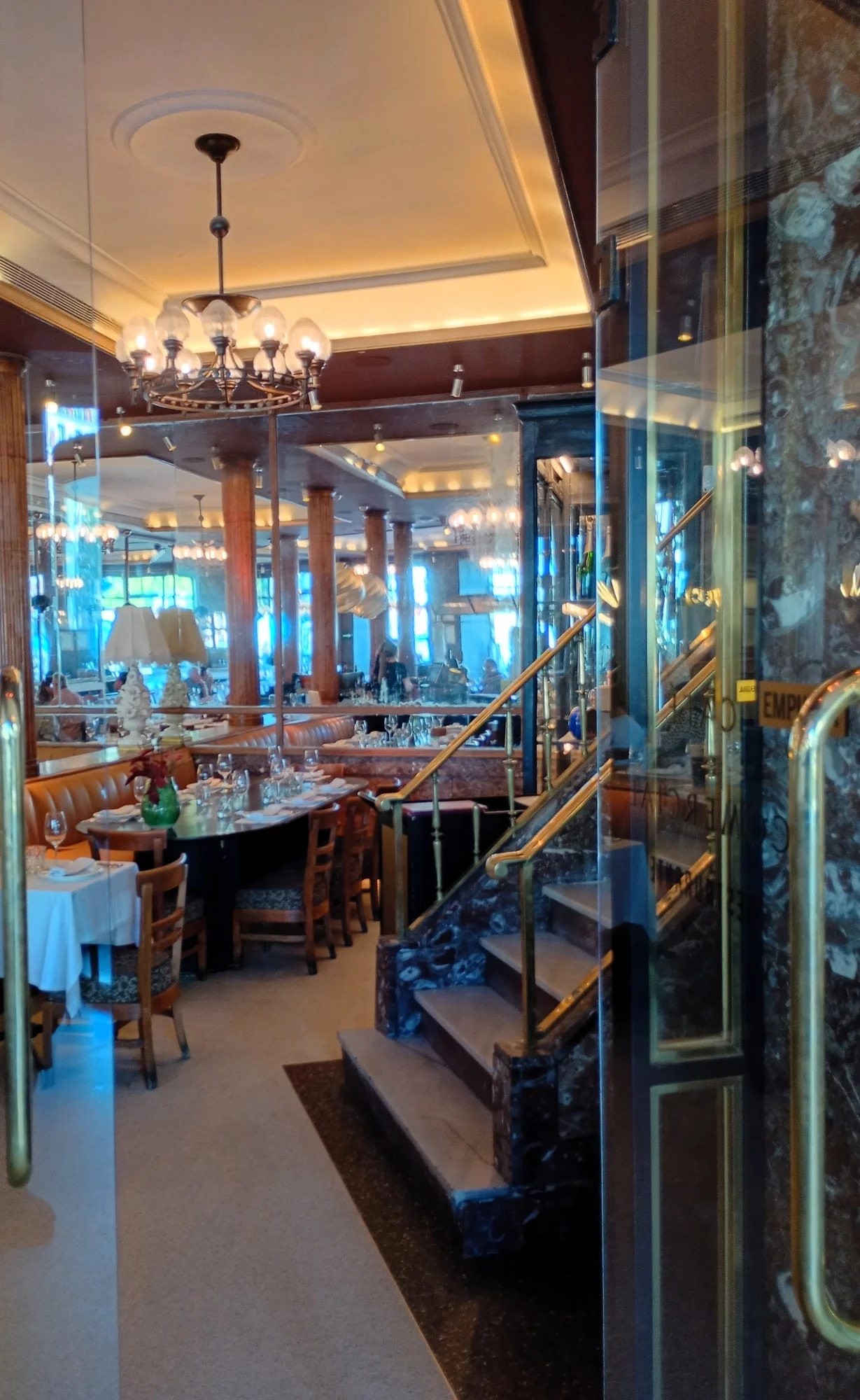
Located at Glorieta de Bilbao, 7, Café Comercial has been an illustrious Madrid institution since 1887. Over its 120-year history, its massive mirrors have reflected the faces of renowned literary figures like Antonio Machado and Camilo José Cela. The café became famous for its lively tertulias, where journalists from nearby newsrooms would gather to dissect the news and rumours circulating through Madrid.
Time seems to stand still in this celebrated establishment, where waiters still know their regulars by name. Following a brief closure in 2015, Café Comercial underwent extensive renovations to refresh its look. Fortunately, its essence was meticulously protected by heritage authorities, ensuring that original architectural elements remain intact for modern visitors to enjoy alongside a quiet coffee.
El Riojano: Royal Connections and Traditional Sweets
Founded in 1855 at Calle Mayor, 10, El Riojano is an iconic pastry shop featuring a fascinating salon that serves coffee, herbal teas, and traditional sweets. The business was established by the personal pastry chef of Queen Maria Christina of Habsburg. The original décor—which remains virtually unchanged today—was crafted by Royal Palace artisans using mahogany, bronze, chandeliers, and marble.
Interestingly, El Riojano’s massive furnishings, including its grand counter, were constructed directly inside the shop so they would be too large to fit through the door, a clever deterrent against theft. Legend states the Queen herself frequently visited to enjoy the pastries. Today, it remains an excellent spot to sample over 30 traditional handcrafted Madrid sweets, including bartolillos, meringues, and Rosquillas de San Isidro, all made using generational recipes.
Malasaña’s Cultural Awakening: Café de Ruiz & Café Manuela
Long before vintage décor became a global trend, the Malasaña neighbourhood saw a 1970s revival of classic conversational cafés. Café de Ruiz, located at Calle de Ruiz, 11, was founded by a group of friends hoping to recreate the city’s historic social hubs. Retaining its original small round tables and wood-framed mirrors, it is well known today for its signature White Russian cocktail.
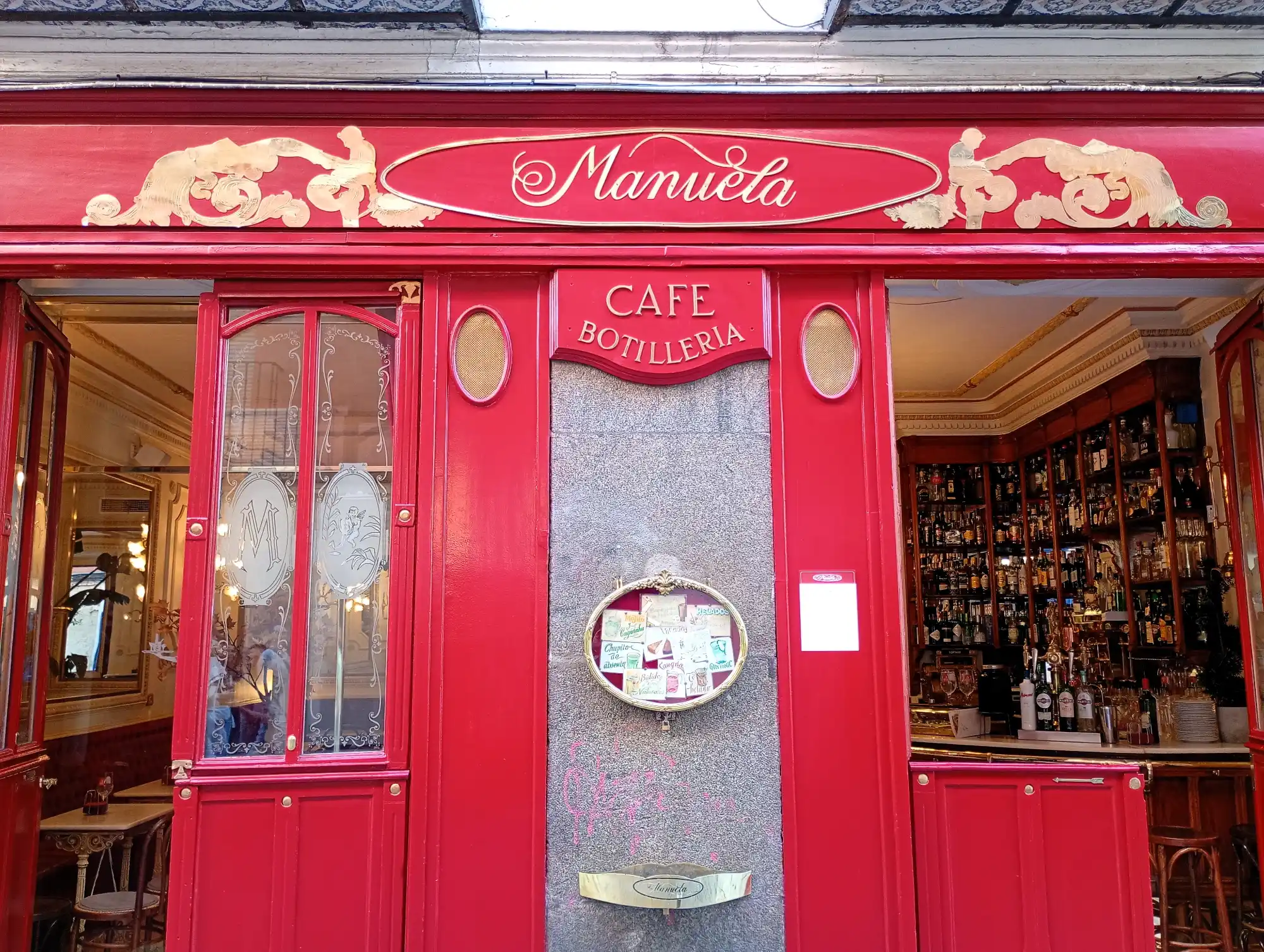
Nearby at Calle de San Vicente Ferrer, 29, the unmistakable red facade of Café Manuela has been a neighbourhood fixture since 1979. It became a vital venue during Madrid's cultural awakening, hosting concerts and poetry readings that drew figures like Pedro Almodóvar and Carmen Martín Gaite. Visitors looking to tailor a private custom tour of Madrid's alternative districts will find these vibrant venues essential for understanding the city's late 20th-century cultural rebirth.
Whether you are tracing the steps of acclaimed writers, sampling century-old pastry recipes, or seeking out the retro charm of local cultural hubs, Madrid’s historic cafés provide a welcoming refuge from the busy streets. They are much more than places to grab a quick drink; they are living institutions that preserve the conversations, creativity, and community spirit of the Spanish capital. Stopping at any of these legendary spots guarantees a memorable and authentic addition to your Madrid itinerary.
Related stories
Culture • Practical Tips • Food • 4 min. read
A Guide to Madrid's Authentic Neighborhood Food Markets
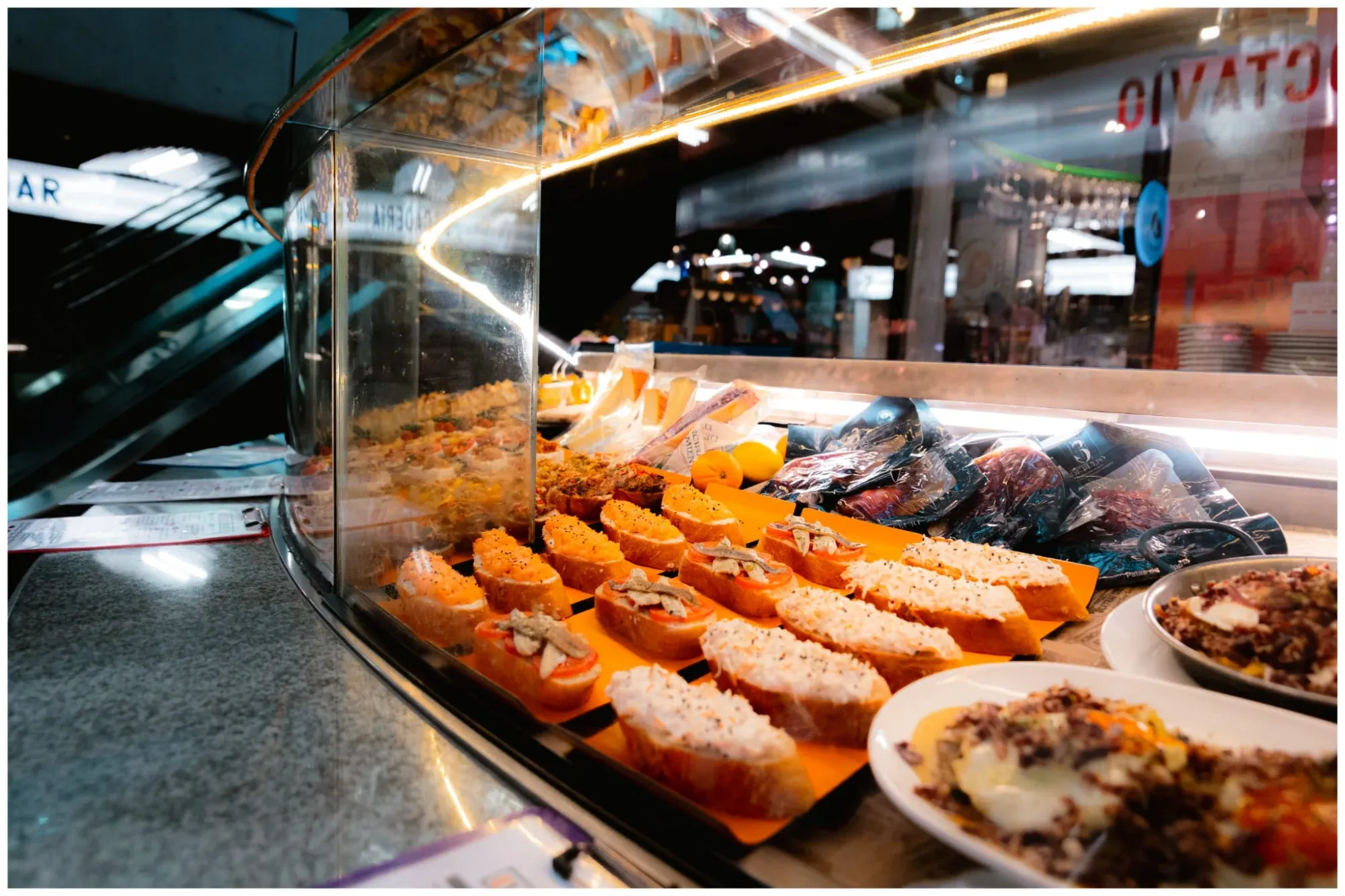
Behind the brick facades of Chamberí and the steep streets of Lavapiés, residents gather over small plates of tortilla and glasses of draft vermouth. The traditional neighborhood market remains a fixture of Spanish urban life, serving equally as a place to buy weekly groceries and meet friends. Navigating these working food halls provides a direct view into how people in Madrid actually eat, trading polished aesthetics for genuine community spaces.
Practical Tips • History • 5 min. read
Best Parks and Places to Relax in Madrid: A Local’s Guide
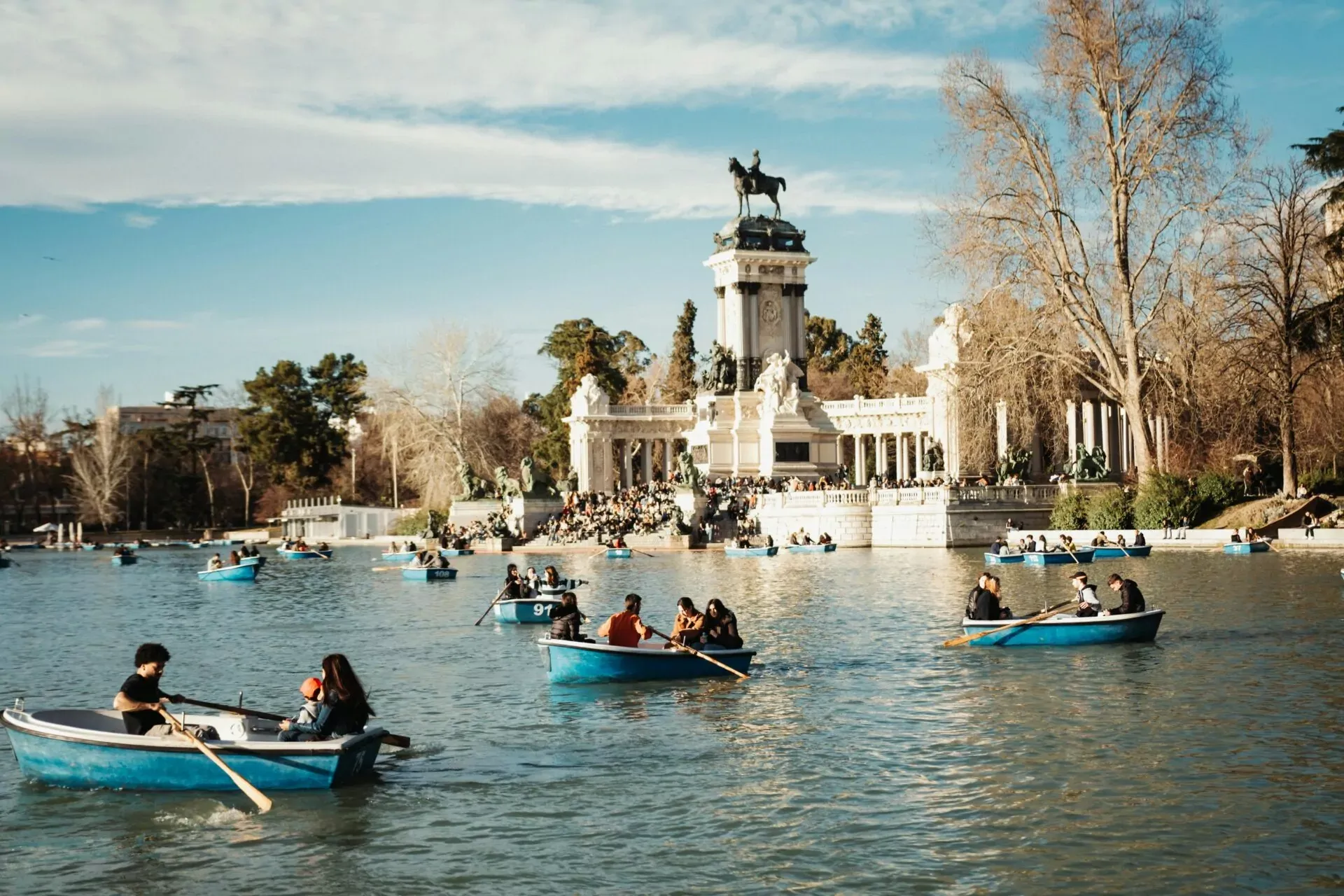
Discover Madrid’s best parks and calm spots to unwind, from grand gardens to quiet corners, with practical local tips for a relaxed break.
Culture • History • 5 min. read
A Guide to Madrid’s Museums: Art, History, and Royal Splendor
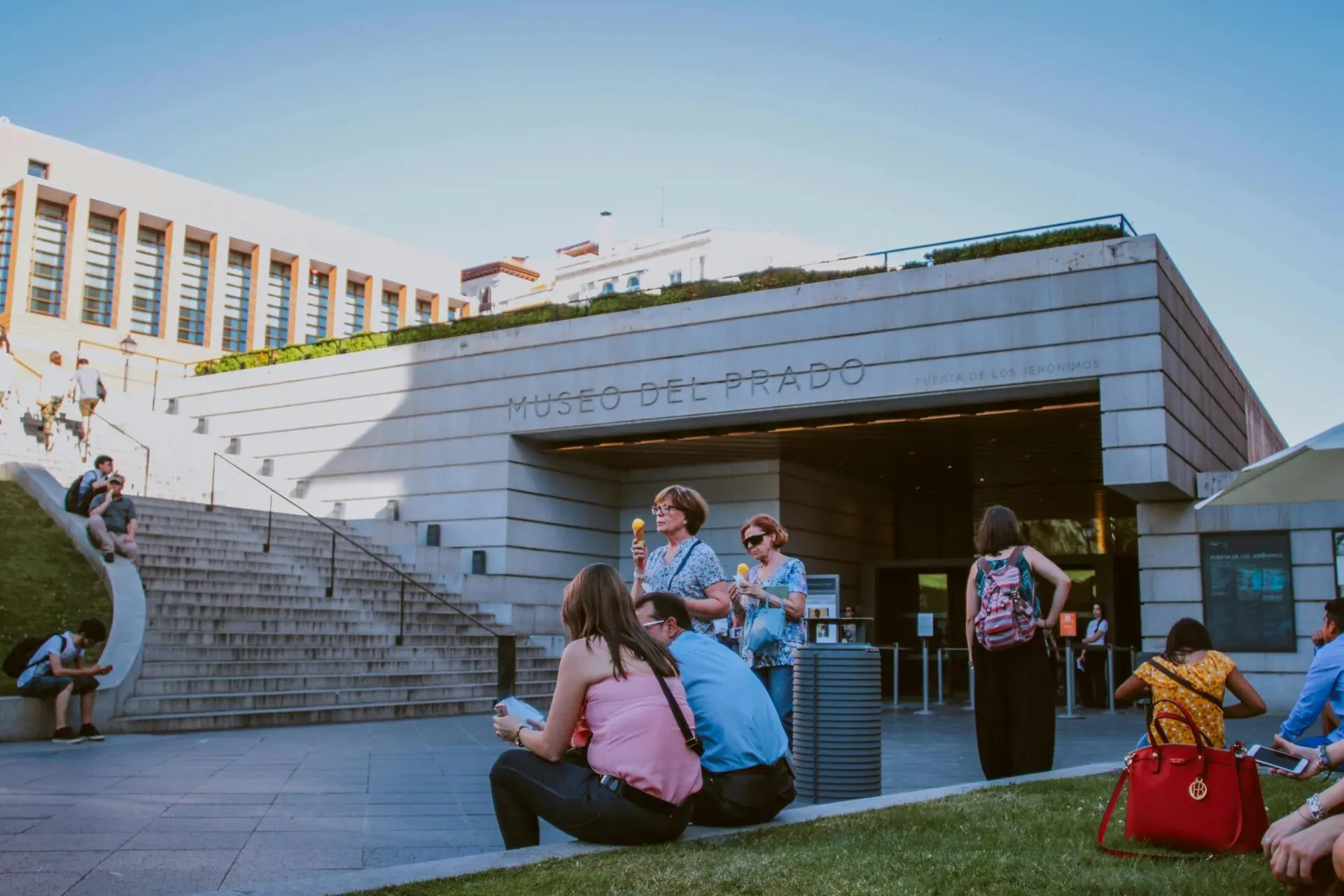
Explore Madrid’s top museums: Prado’s Las Meninas, Reina Sofía’s Guernica, Archaeological Museum mosaics, plus Cerralbo and Royal Palace.
Culture • History • Tours • 6 min. read
Madrid’s Historic Neighborhoods: Architecture, Art, and Local Culture
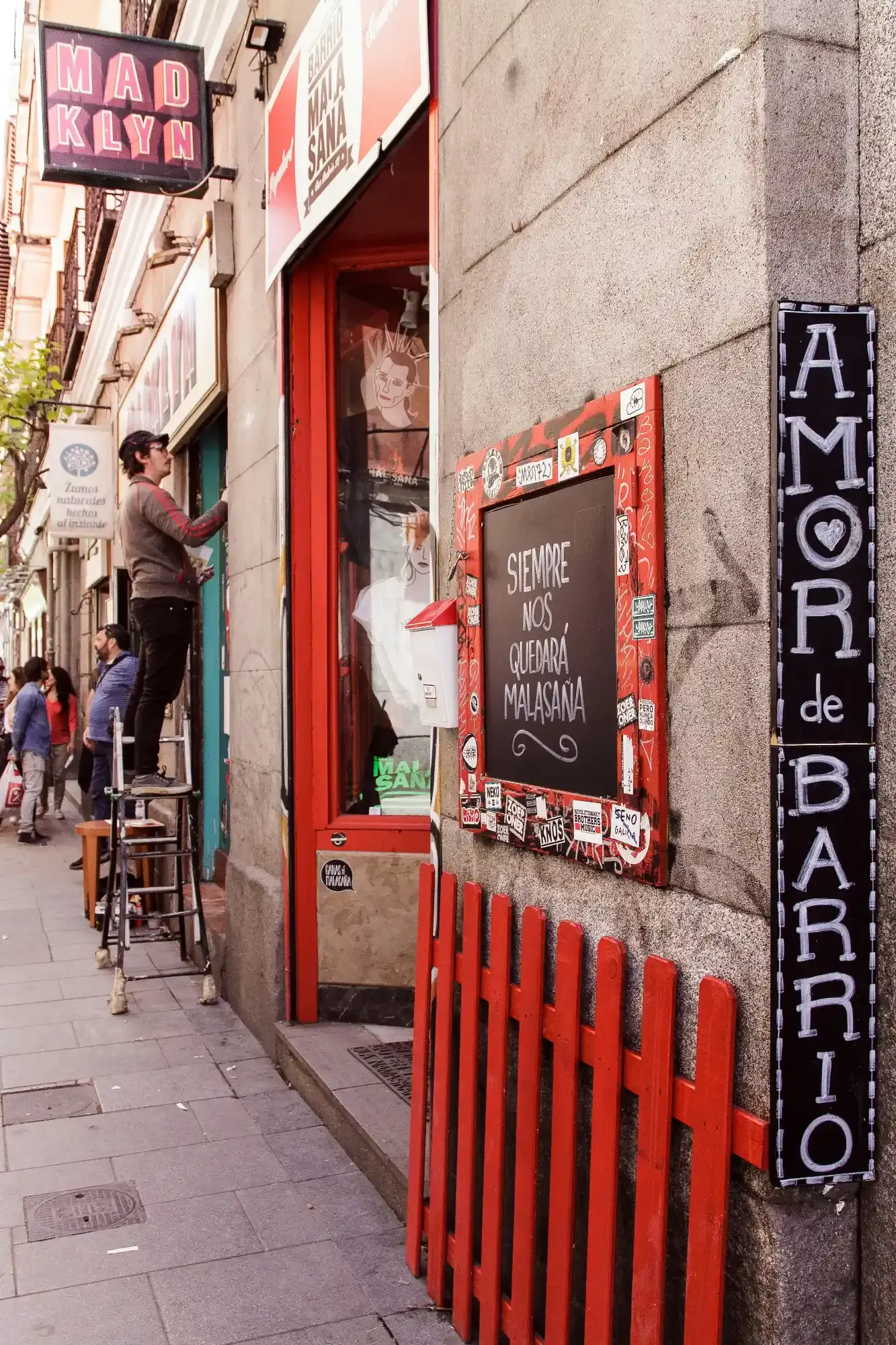
The 1776 palace of the Marquis of Matallana in Chueca and the 1980s retro streets of Malasaña offer two very different perspectives on local history. Moving beyond the major museums, a walk through central Madrid connects centuries of royal architecture with modern neighborhood avenues. From the open-air stalls of the El Rastro market to the traditional courtyard corralas of Lavapiés, these districts outline how the capital took shape.
Culture • History • 5 min. read
Madrid on the Silver Screen: An Overview of Filming Locations
Metro-Goldwyn-Mayer famously transformed Madrid's Hortaleza district into a snow-covered Moscow for the 1965 production of Doctor Zhivago. Decades later, directors still block off local streets for high-stakes car chases and international espionage plots. From the brutalist concrete of Torres Blancas to the monumental Plaza de Cibeles, these familiar avenues hold an extensive cinematic history.