Is London Safe? How to Avoid Phone Snatching in the U.K.’s Capital City
A little preparation goes a long way when visiting London. Here’s how to keep your phone safe while exploring the city, plus what to do in the unlikely event that it’s stolen.
Practical Tips • Tours • 8 min. read
Last edited:
Earlier this year, a middle-aged American woman turned up to do my 10am Welcome to London tour. I said hello, we got chatting, and she soon revealed how nervous she was about London as a city. Her daughter had just moved here, and she was genuinely worried. She’d heard it was riddled with crime, a den of iniquity, that trouble lurked around every corner.
I asked if she’d heard this from social media, already knowing the answer. She’d become addicted to her fear of London, and Zuckerberg et al served her up a rich, sickly diet of theft videos, warnings not to visit, and depictions of the city overrun by warring gangs on a daily basis. And she was from the U.S.A!
I explained to her, as I’m explaining to you now, that London is a very safe city, especially by the standards of cities its size. I’ve only been a victim of crime on very rare occasions, and most of the time it’s just the guy singing Ed Sheeran in Trafalgar Square committing crimes against music.
But at Walkative we also want everyone to feel reassured and prepared when they come to visit, so let’s not pretend the city doesn’t have its issues. And there is one particular crime that visitors really should know about before arriving: phone snatching.
We have something of an epidemic here in London when it comes to this particular crime, and it can really ruin a trip for an unlucky traveller. According to recent Metropolitan Police figures published by the BBC, a phone is stolen in the capital every seven or eight minutes, with around 70,000 stolen over the course of a year (it’s worth noting, though, that the rate is falling).
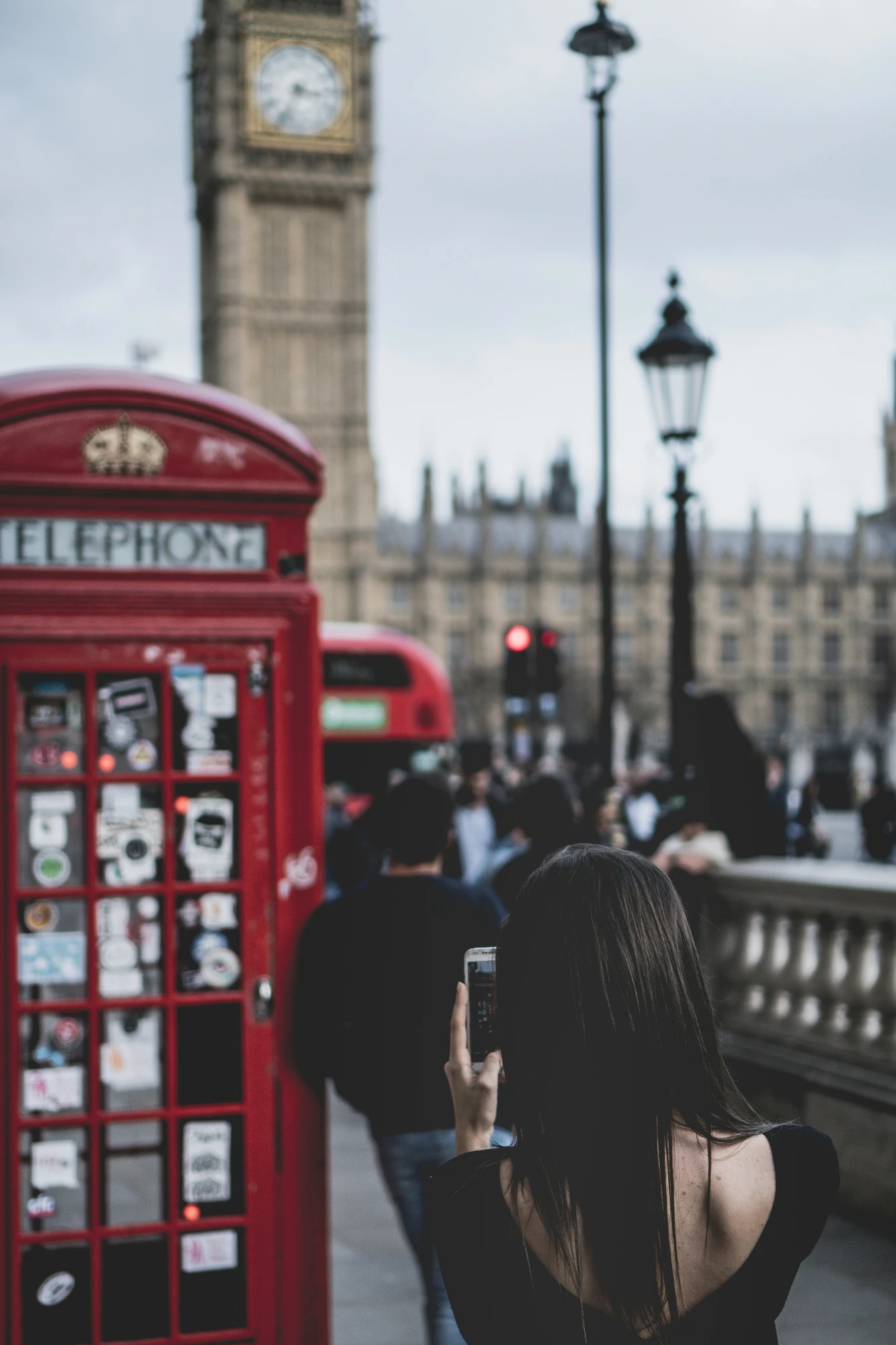
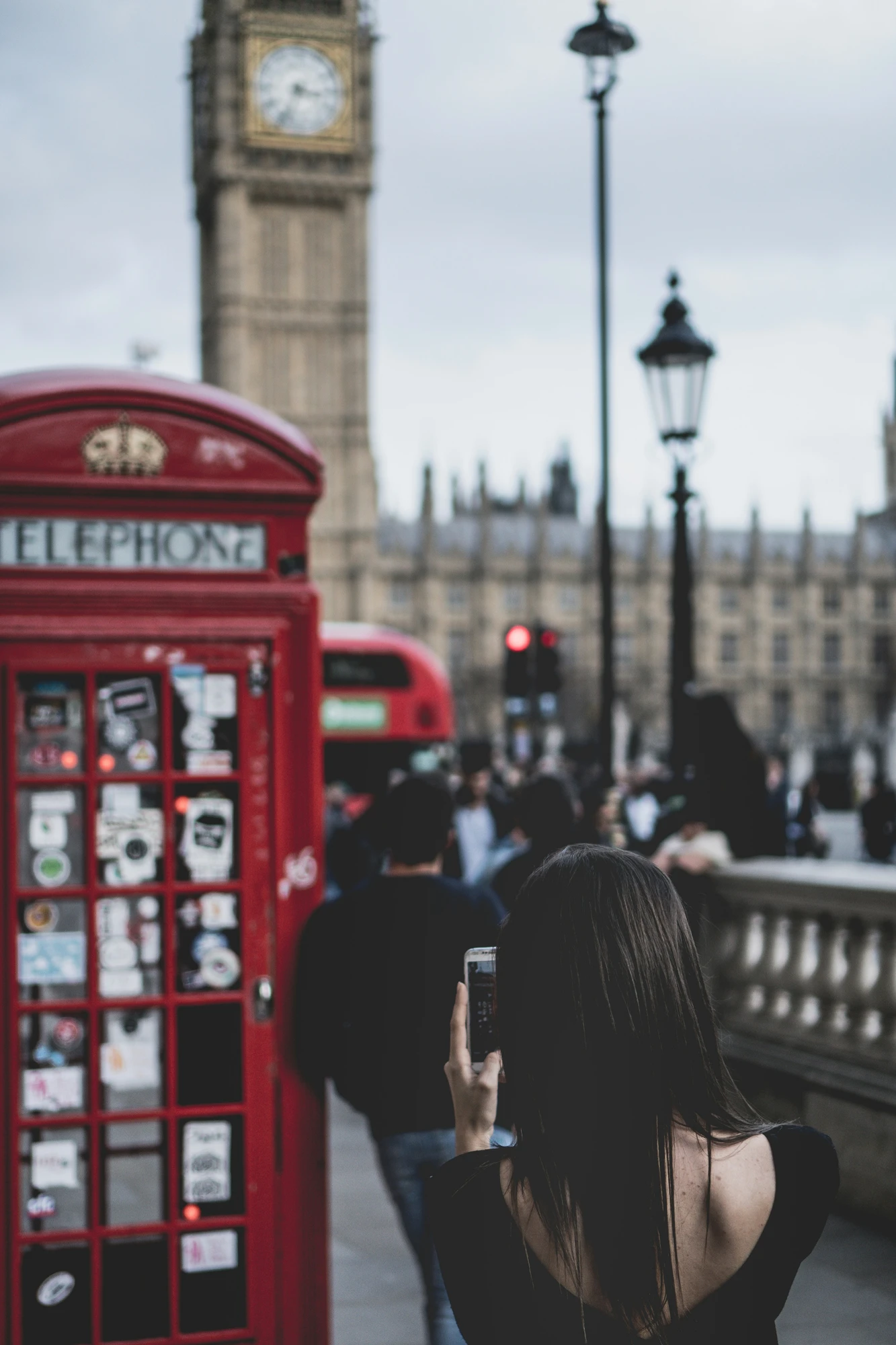
It makes sense: it’s a high-value item, everyone’s got one, and they’re easy to grab off a tourist trying to get their tongue to touch the tip of Big Ben from Parliament Square.
Sadly, only 2% of phones are recovered, and it won’t surprise you that Westminster, being the most visited part of town, is also the most affected area.
BEFORE YOU VISIT:
— Turn on your phone’s tracking service. Make sure Find My on iPhone or Find Hub on Android is enabled and that you actually know how to access it from another device. This allows you to locate, lock and, if necessary, remotely erase your phone.
— Use Face ID, fingerprint recognition and a strong passcode. Your phone itself may be worth a few bob, but access to your email, banking apps and saved passwords could be considerably more valuable. Avoid an easily guessed four-digit PIN if your device allows something stronger.
— Turn on the latest anti-theft features. Both Apple and Android now have additional protections designed specifically for stolen devices. On iPhone, check that Stolen Device Protection is switched on; Android users should check the Theft Protection settings available on their device.
— Know your Apple/Google account password. It sounds ridiculously obvious until you’re standing in a hotel lobby trying to log into your account from somebody else’s phone. Make sure you can access the account you’ll need to lock your device without relying entirely on the device that’s just been stolen.
— Make a note of your IMEI number. Dial *#06# to find it and save it somewhere other than your phone. Your network can use the IMEI to block the handset if it’s stolen.
— Back your phone up. Having your phone stolen is bad enough without losing all your photos and important data along with it. Make sure everything you care about is being backed up automatically — at least then the thief only gets your phone, not your holiday memories too.
— Get travel insurance and check what it actually covers. If you’re travelling with an expensive phone, make sure your policy covers theft and check what evidence the insurer will require if you need to make a claim.
HOW TO AVOID WHILE YOU'RE HERE:
— Look up and look around. Before taking your phone out, particularly in busy central London, have a quick look for bikes, e-bikes or mopeds approaching from any direction. The riders are usually dressed head-to-toe in black with their faces covered — so if you spot someone matching that description heading towards you, now would be an excellent time to put your phone back in your pocket.
— Step away from the kerb. If you need to check Google Maps, move away from the roadside and stand with your back to a wall, shopfront or building. This makes it much harder for somebody to ride past and grab your phone.
— Keep phone use brief while on the street. You obviously don’t need to spend your holiday terrified of taking your phone out. Take your photo, check your directions, send your message — then put it away. Walking around completely absorbed in your screen makes you a much easier target.
— Get yourself a phone wrist strap or tether. They cost very little and make a straightforward snatch considerably more difficult, particularly if you know you’re going to be taking lots of photos or navigating with your phone out. Don’t rely on it completely, though: keep hold of the phone, and preferably use two hands when you’re taking photographs.
— Hold your phone on the building side. If you’re walking along a pavement, don’t casually hold your phone in the hand nearest the road. Keep it on the side furthest from passing traffic and cyclists.
— Be especially careful when you stop. Traffic lights, crossings, bus stops and the entrances to stations are all places where you naturally stand still and reach for your phone while cyclists can keep moving. Have a quick look around before getting it out.

WHAT TO DO IF YOUR PHONE IS STOLEN:
So if, despite all that, someone’s made off with your phone, what should you do? It’s incredibly frustrating, but try not to panic. There are a few things you should do as quickly as possible to protect both the phone and, more importantly, everything you keep on it.
— Don’t chase the thief. However tempting it might be, your phone isn’t worth getting injured over. Equally, if you can see its location through Find My or Find Hub, don’t go off on your own personal episode of The Bill trying to retrieve it. Give the location information to the police.
— Get somewhere safe and lock the phone remotely. Use another phone or computer to access Find My or Find Hub and mark the device as lost. This can lock the phone, help protect your information and allow you to display contact details on the screen in case it does somehow find its way back to you.
— Contact your mobile network. Tell them the phone has been stolen so they can suspend your SIM and prevent somebody using your number. This is also where that IMEI number you very sensibly wrote down before your trip comes in useful: your provider may be able to blacklist the handset itself.
— Protect your important accounts. If there’s any possibility the thief knows your passcode — perhaps they watched you entering it before taking the phone — treat this particularly seriously. Secure your email, Apple or Google account, banking and other important accounts, and contact your bank immediately if you’re concerned that your financial information may have been compromised.
— Report the theft to the police. If the theft has just happened, you’re in danger or violence was used, call 999 (or 112, which also works in the UK). Otherwise, report it to the Metropolitan Police online or via 101. Make a note of your crime reference number, as your insurer may ask for it.
— Contact your travel insurer. If your policy covers the phone, contact them as soon as practical and follow their claims procedure. They’ll commonly want details such as the police crime reference number, proof of ownership and information about what happened — which is another good reason to report the theft properly rather than simply writing off the phone.
— Don’t immediately erase it unless you need to. Locking the device is usually the first step. Remotely erasing it protects your data, but can affect your ability to continue tracking it depending on the device and setup. Check the instructions for your particular phone before hitting the nuclear button.
Finally, don’t let any of this put you off coming to London. Millions of people use their phones on these streets every day without incident, but an uneventful Tuesday stroll around London isn’t what your algorithm feeds you very often. A little preparation and awareness goes a long way: follow these tips and hopefully the only thing you’ll lose in London is your sense of direction!
_____________________
photo credits:

Written by
James Howard
James is a Londoner who has been guiding with Walkative! since 2024. With a background in literature, he specializes in London's past, particularly the old City of London and its medieval street layout. Outside of guiding, he is a musician whose original songs often explore local history.
Related stories

Practical Tips • 3 min. read
How to get around in London: Tips and Tricks
Get around London cheaply. Use the Tube with an Oyster card, ride a red bus, or hire a Santander Cycle. We cover costs, routes, and off-peak travel.
Culture • History • 7 min. read
The Icons of London: From Red Buses to Phone Boxes
From postboxes to double-deckers, discover the history behind London’s most iconic everyday sights.

Culture • History • 9 min. read
7 Curious London Love Stories — and Where to Find Them
London’s history is full of love stories: some romantic, some tragic, and some downright strange. Here are seven of our favourites — and the places where you can still find their traces today.

Culture • Practical Tips • 5 min. read
London on a budget: 5 places you can’t miss (that are not museums)
See London for less: book free Sky Garden, explore Battersea Power Station, Portobello Road & blue door, Greenwich Park views, and local parks.

Practical Tips • Food • 6 min. read
Taste of London: The city’s iconic dishes and where to get them
Discover London's iconic dishes and where to find them. Read our practical guide to traditional meals and local eating spots in the city.